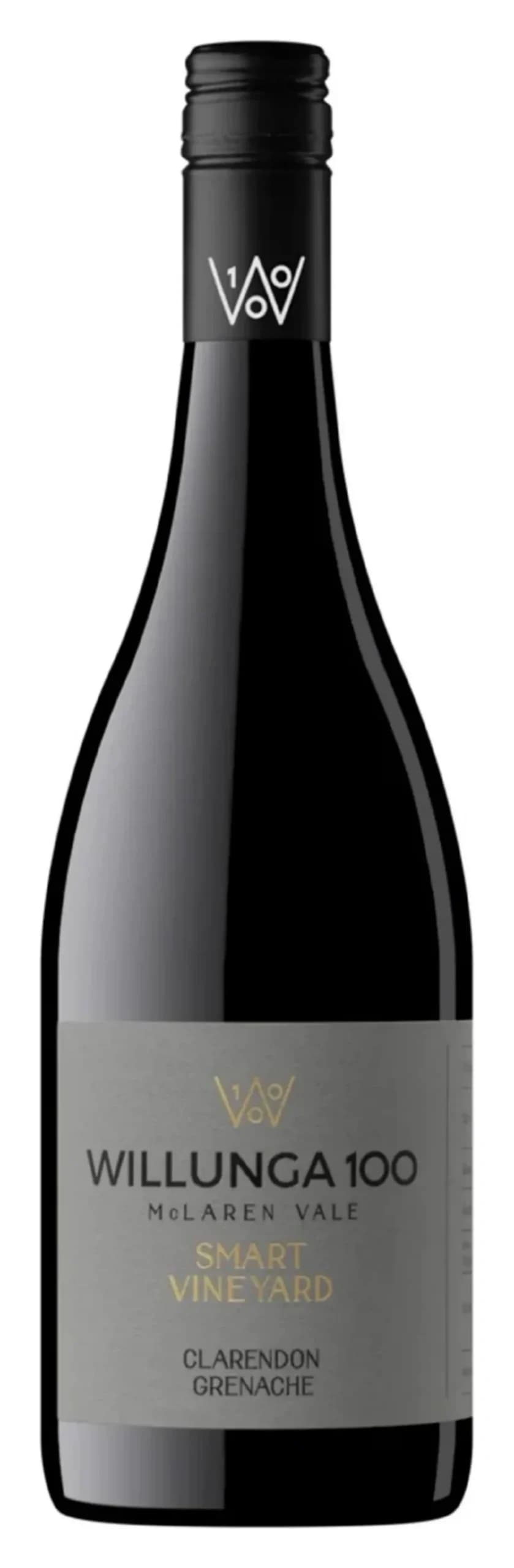
Cellaring Australian wine — and its New Zealand neighbour — really turns on one question: who does the waiting, you or the people who made the bottle? Cellaring means storing a wine under stable, cool, dark conditions so its tannins soften and its fruit trades youthful zip for something deeper and more savoury — and those years have to happen on somebody’s shelf. Not every bottle deserves them, and quite a few are ruined by them. By the end of this you’ll know which Australian and New Zealand styles genuinely reward the wait, what your storage actually needs to look like, and which bottles to buy this week for something worth opening years from now.
What does cellaring do to wine?
Cellaring slows a wine down. Over years in a stable, dark space, harsh young tannins soften, fruit that once tasted like a bowl of blackberries drifts towards leather, dried herbs and forest floor, and the wine’s separate parts — acid, fruit, tannin, alcohol — start reading like a full sentence instead of a shouted word. It’s chemistry, not magic. It only works if the wine had the concentration and structure to begin with.
I once tasted a Martinborough Pinot Noir from a strong vintage that had swapped its raspberry for wild mushroom, toasted brioche and a whisper of woodsmoke. The fruit hadn’t vanished — it had simply stopped shouting. High-acid whites go the distance too. A twenty-year-old Wairarapa Riesling I tried had traded its lemon zip for something closer to beeswax and toast, and it was thrilling, not tired.
Closure plays its part here as well. Aged Clare Valley Riesling under screwcap has shown real complexity and mellowness in trade tastings, without the cork taint that used to plague older bottles of the same wine. Get the components right, and cellaring rewards you. Get them wrong, and you’ve just aged a disappointing wine into an older disappointing wine.
The first law of the cellar, then, is worth pinning up: time reveals structure, it never installs it. A wine with no acid or tannin to speak of at three years old won’t have found any at thirteen — so the buying decision comes first, and the cupboard only finishes what the vineyard started.
What wines are best for cellaring?
For Australian and New Zealand bottles specifically, the safest bets are structured reds with real tannin and fruit concentration — Barossa and Coonawarra Shiraz and Cabernet, and Clare Valley’s more savoury reds — plus two whites that punch above their reputation: Clare Valley Riesling and Hunter Valley Semillon (we’ve written a whole guide to Hunter Valley Semillon if that surprises you). From New Zealand, look to Central Otago and Martinborough Pinot Noir, Hawke’s Bay’s Syrah and Bordeaux-style blends, and the top tier of Marlborough Sauvignon Blanc that never sees a supermarket shelf.
| Style / region | Typical drinking window | Why it ages |
|---|---|---|
| Barossa & Coonawarra Cabernet-Shiraz | 8–20+ years | Dense tannin and fruit concentration; among the most consistently well-regarded Australian reds in trade tastings |
| Clare Valley Riesling | 5–15+ years | High acid, screwcap preserves freshness |
| Hunter Valley Semillon | Decades | Naturally low alcohol, high acid |
| Rutherglen fortified Muscat & Topaque | Very long, often decades | Fortification plus oxidative style |
| Central Otago Pinot Noir | Sweet point around 6–8 years | Intensity, acid, ripe tannin |
| Martinborough Pinot Noir | 10+ years for top examples | Structure, whole-bunch tannin |
| Hawke’s Bay Syrah | 6–10 years | Savoury development with time |
| Hawke’s Bay Bordeaux blends | 4+ years for serious examples | Cabernet component needs time to settle |
| Top-tier Marlborough Sauvignon Blanc | 5+ years | Concentration well beyond the entry-level style |
If you’re starting with a single bottle rather than a case, make it a Clare Riesling under screwcap — it’s the cheapest way I know to taste what five years of patience actually does. For the fuller picture of both countries side by side, our pillar guide to Australia and New Zealand is worth a proper read.
What are the conditions for Cellaring?
You need four things: a steady cool temperature with no big swings, darkness, a touch of humidity so corks don’t dry out, and bottles left to rest quietly rather than being moved about. Screwcap wines are more forgiving of upright storage and don’t fuss much about humidity. Corked bottles are fussier on both counts, and want to lie on their side.
Closure choice genuinely changes the pace of ageing. Screwcaps are, by common trade reckoning, close to universal across New Zealand now, and they tend to preserve fruit and freshness for longer with less risk of spoilage. Quite a few producers still put their top Bordeaux-style blends under cork while screwing the rest of the range, on the theory that cork ages a wine more slowly and, in time, more classically — you’re trading a bit of risk for a different shape of maturity.
Interestingly, quite a few New Zealand producers have started doing the early cellaring for you, holding wines back a year or more — occasionally as long as five — before release, so what lands on your doorstep is already closer to its best. That’s the who-does-the-waiting question answered on your behalf, at the cost of a slightly higher release price — often the best deal in this whole subject. If you’re setting up storage at home rather than relying on a producer to do it, our piece on starting a cellar for £200 walks through the practical basics without needing a wine fridge the size of a wardrobe.
Buying young vs buying ready — what cellaring costs you in shape
Here’s that who-does-the-waiting question again, this time with money attached. Buy young and you tie up cash and shelf space for years, betting on a wine that hasn’t shown its hand yet. Buy something already aged and you pay more upfront, but the waiting’s done and the risk of a corked or tired bottle has already been managed by someone else.
Confidence in Australian and New Zealand fine wine has been building. A small number of wineries from both countries now release through Bordeaux’s La Place fine wine market — a genuine vote of trade confidence, given how young this scene still is next to Bordeaux or Burgundy, where centuries of vintage records exist to lean on. Recent Hors Bordeaux tastings have rated a run of Cabernet, Shiraz and Malbec from Margaret River, Coonawarra, Barossa and South Australia strongly, alongside some striking New Zealand Pinot Noir from Martinborough and Hawke’s Bay.
None of that guarantees any single bottle will age the way you hope — vintage matters enormously, and we’ve gone into that properly in vintage variation: does the year on the bottle matter? The short version: buy the right style from a strong year, and you’ve done most of the work already.
Where to start: a merchant’s short list
If I were building a case to leave alone for a decade, I’d split it three ways. A run of Coonawarra or Barossa Cabernet-Shiraz for the long haul — these have the tannin and fruit to go the distance and were built for exactly this. A case of Clare Valley Riesling under screwcap, because good aged Riesling still surprises people who’ve only ever drunk it young. And something from Central Otago or Martinborough Pinot Noir, ideally from a vintage the trade rated well, because that six-to-eight-year sweet spot is real and it’s lovely to hit deliberately rather than by accident.
One more habit worth stealing: buy in threes where you can, and open one early, one on time, one late. The middle bottle will teach you more about drinking windows than any vintage chart ever printed.
You’ll find versions of most of these at other merchants too — this isn’t a market we have to ourselves, and that’s fine by us. What matters is buying the style with the structure to age, from a year worth ageing, and then genuinely leaving it alone. That’s the whole trick: patience you’ve planned for, not patience you’re enduring.
Questions customers ask us
Which wine is best for diabetics? That’s a question for your GP or diabetes team, not your wine merchant — we sell wine, not medical advice. What we can tell you plainly: dry wines carry little residual sugar regardless of colour, but anything more specific than that needs a proper healthcare conversation.
Do all New Zealand wines age well? No — most Sauvignon Blanc is made to drink within a year or two of harvest, and that’s no bad thing. It’s the top-tier examples, and the Pinot Noir, Syrah and Riesling, that have the components to go the distance.
Is a screwcap wine worse for cellaring than cork? Not worse, different. Screwcap tends to preserve fruit and freshness for longer with lower spoilage risk; cork often produces a slower, more classic evolution but carries more risk of a duff bottle along the way.
How do I know when a cellared wine has peaked? There’s no perfect formula, especially with Australian and New Zealand wines where historic vintage data is thinner than Bordeaux’s. Trust the drinking windows above as a starting point, and open one bottle from a mixed case early to check in.
The merchant’s last word
I’ve sold wine people bought too young and drank too soon, and wine they held onto years past its best out of sheer stubbornness — both are a shame. Get the style right, give it proper conditions — or let a producer who held the wine back do the waiting for you — and cellaring Australian wine or New Zealand wine becomes a quiet, low-effort pleasure rather than a gamble. Fancy seeing what’s ready to start a case with? Go and browse the Australia cellar.