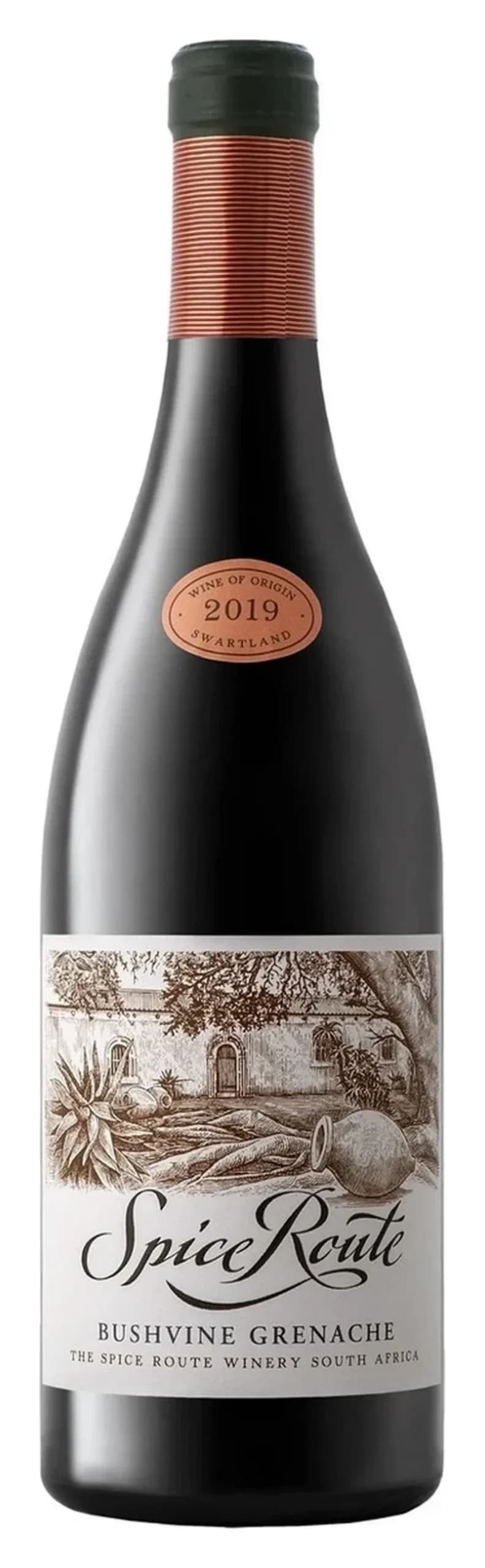
Spice Route Wines
2023
Swartland Grenache, Spice Route
View details →£16.70
The SommPills Cellar
30 wines on the South Africa shelf, chosen one at a time.
30 wines on the shelf
Spice Route Wines
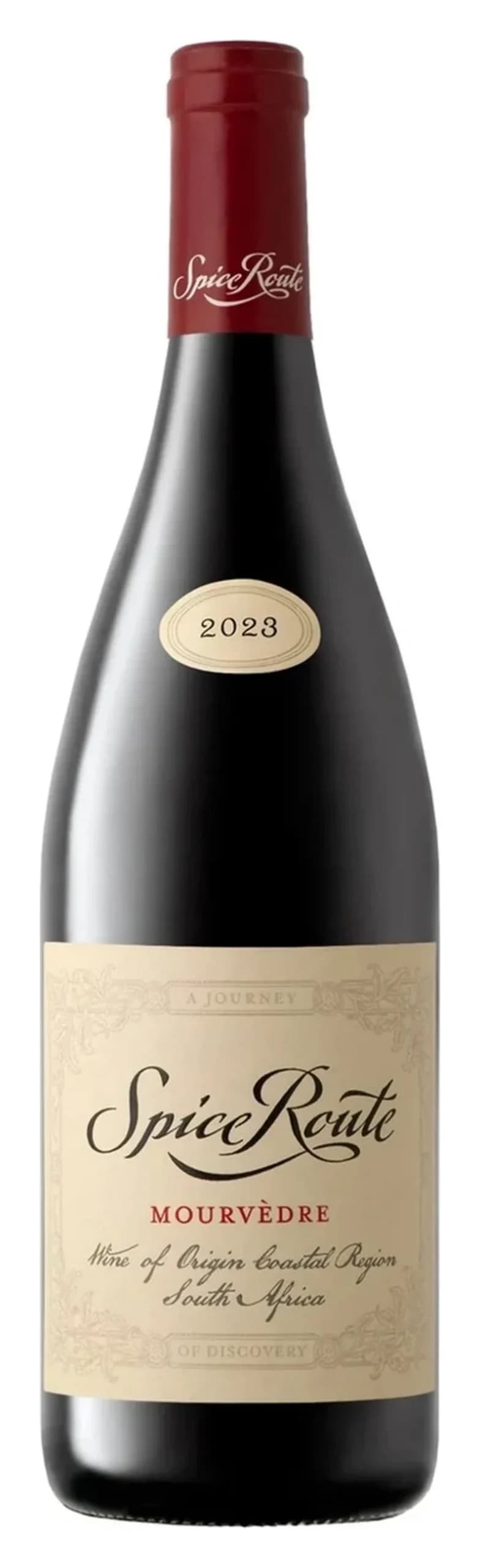
Spice Route Wines
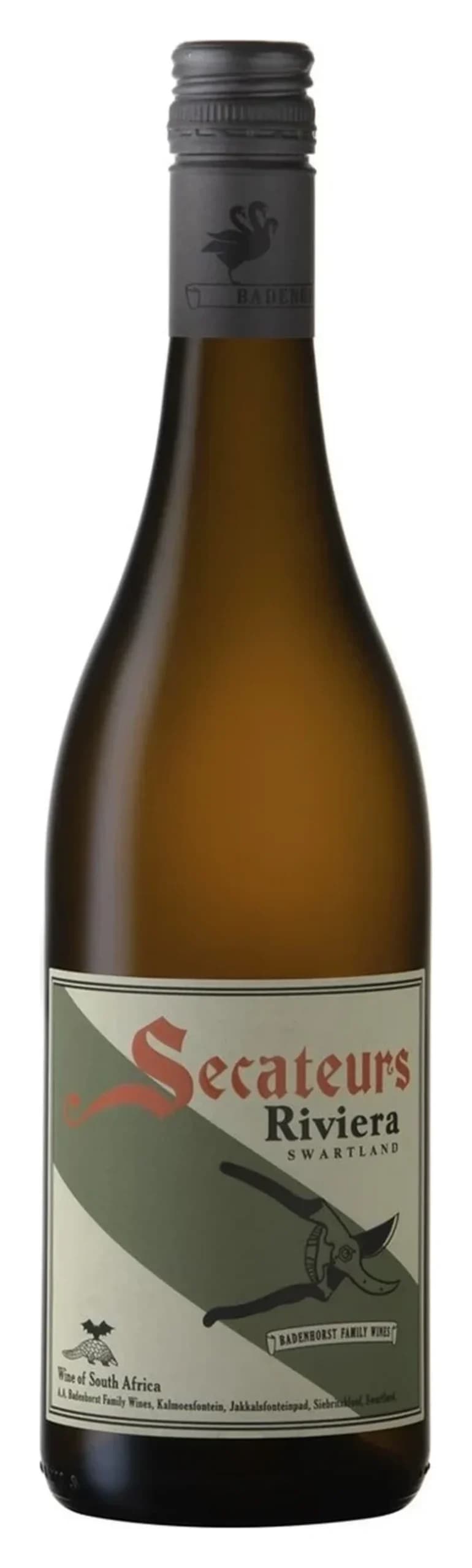
A.A. Badenhorst Family Wines
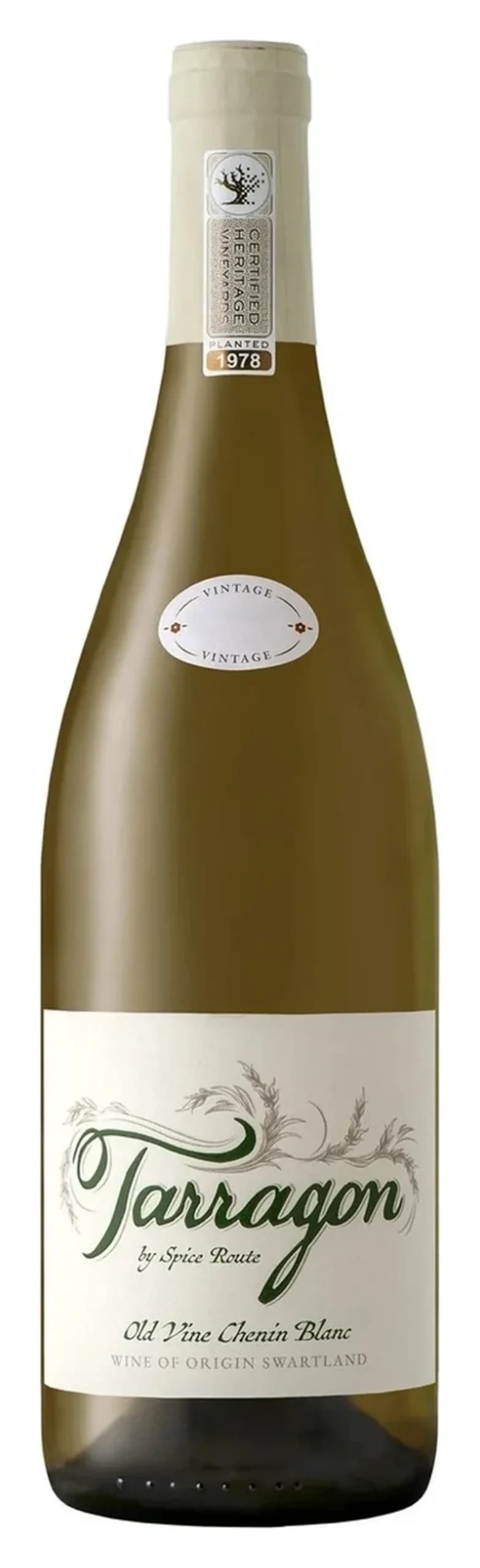
Spice Route Wines
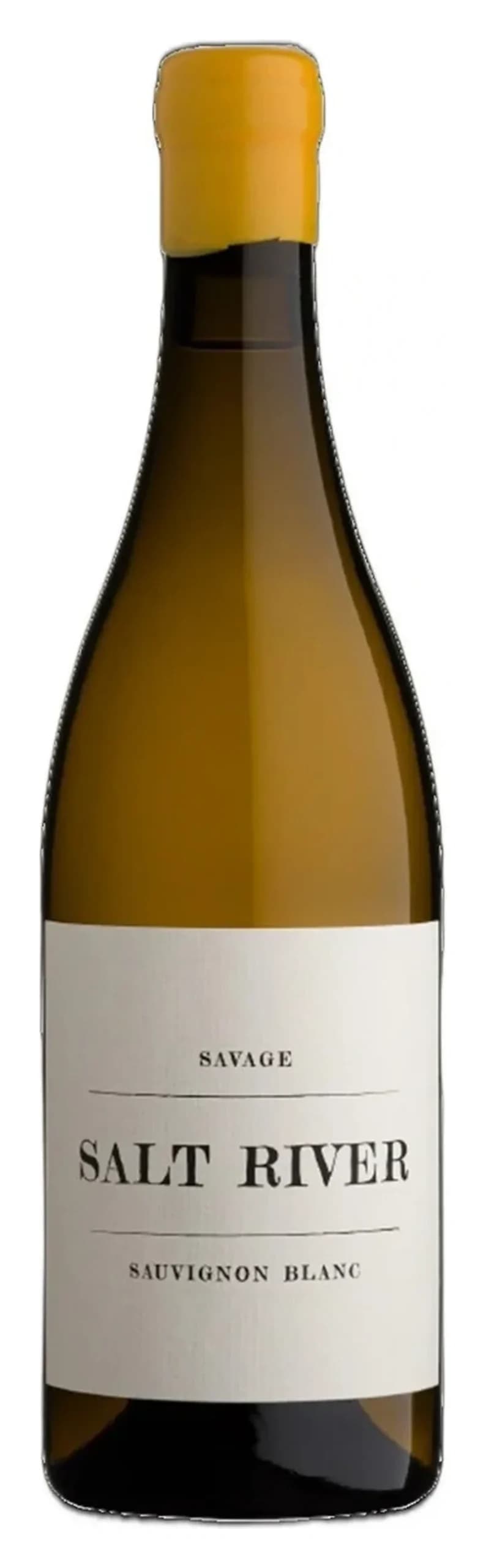
Duncan Savage
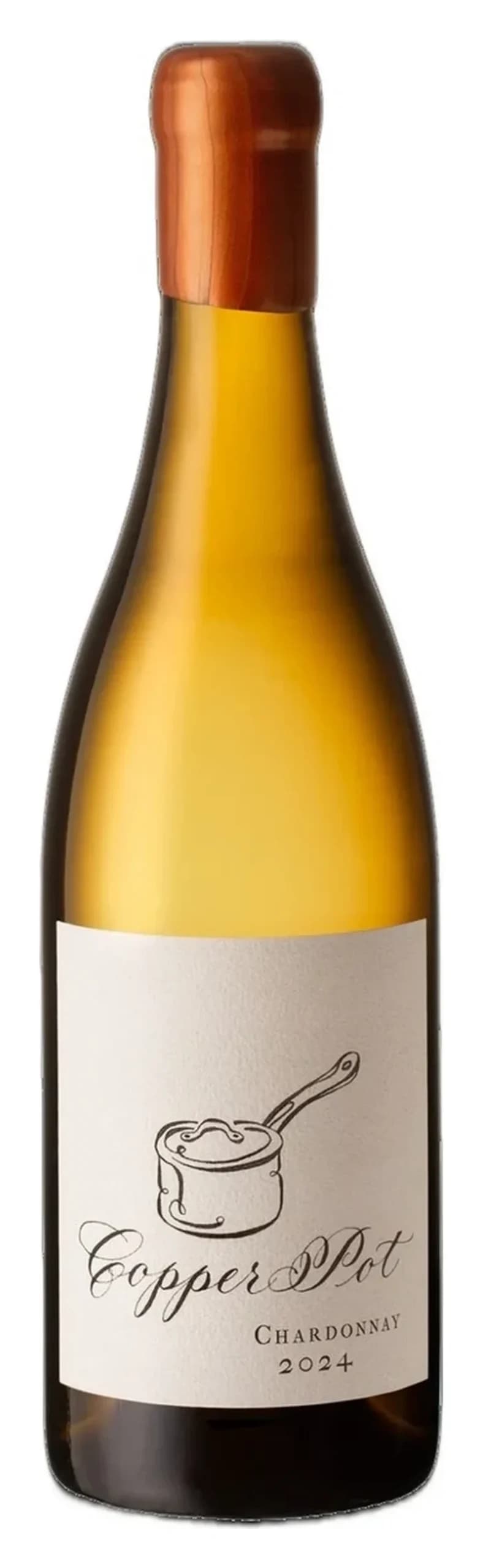
Thorne & Daughters
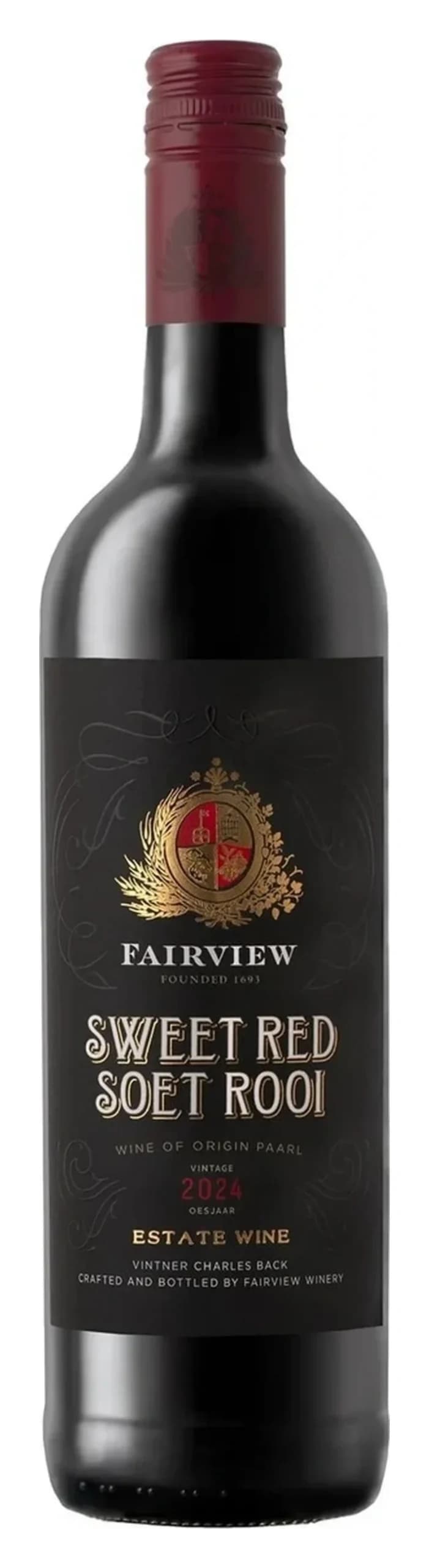
Fairview Wines
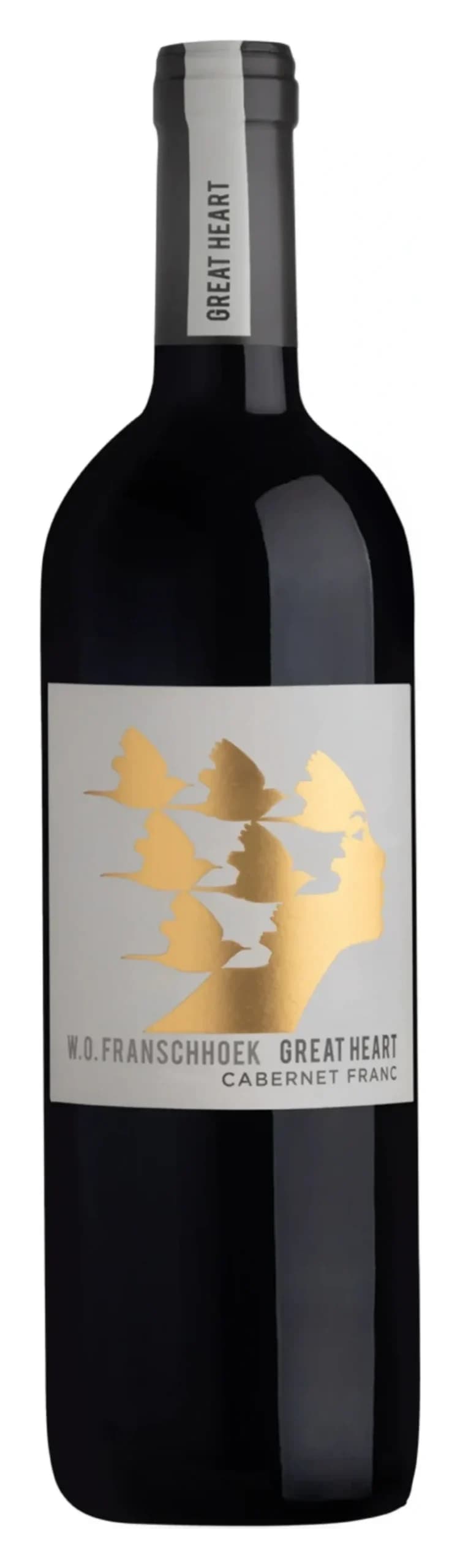
Great Heart Wines
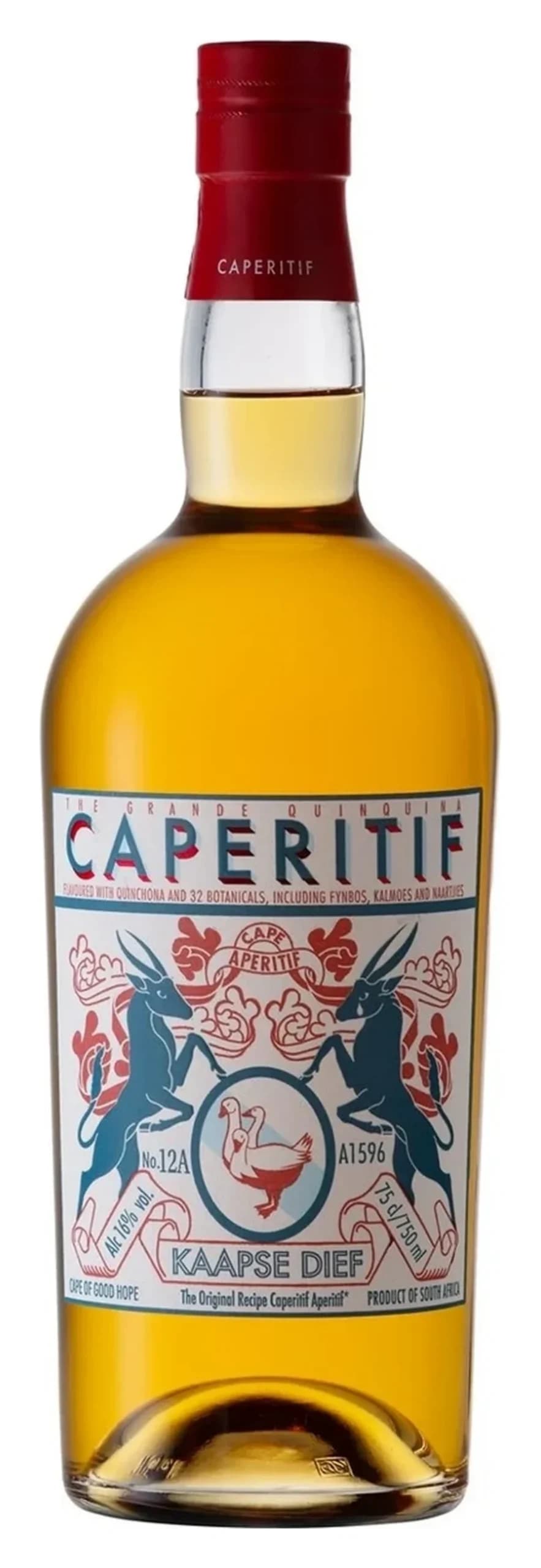
A.A. Badenhorst Family Wines
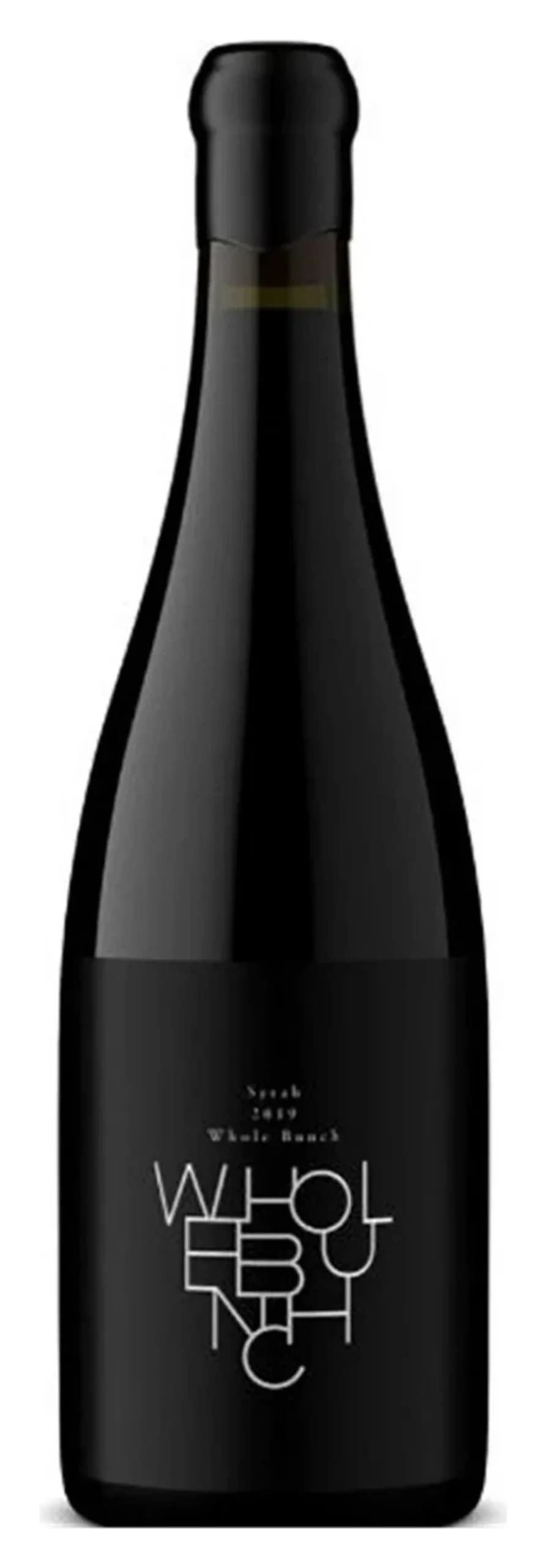
Gabrielskloof
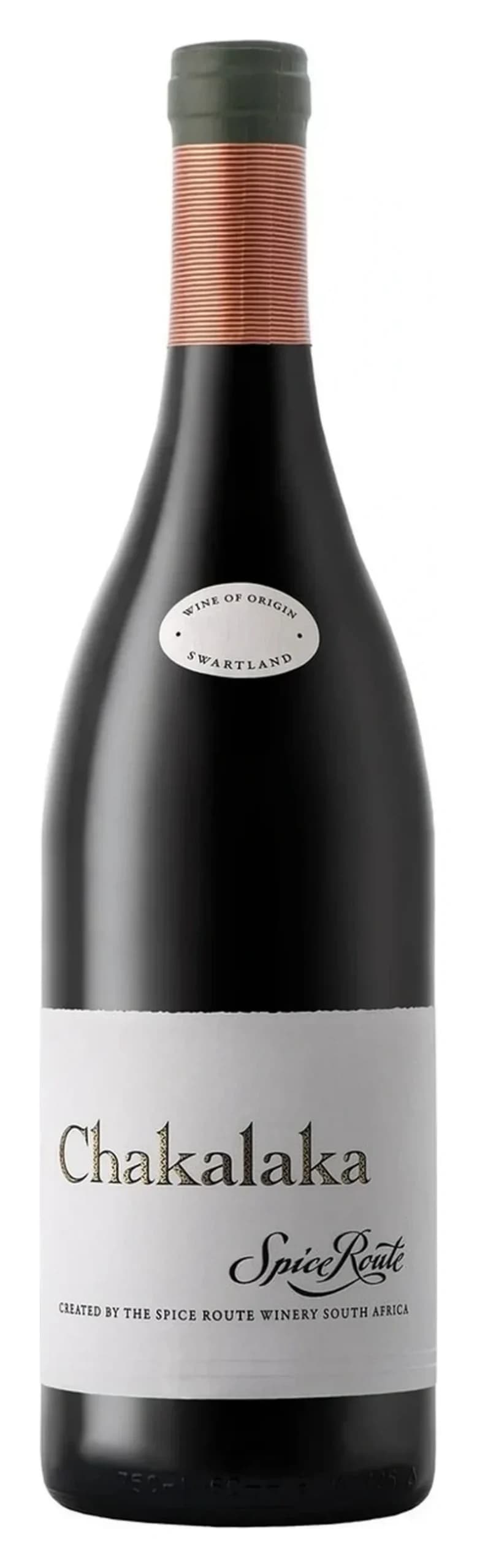
Spice Route Wines
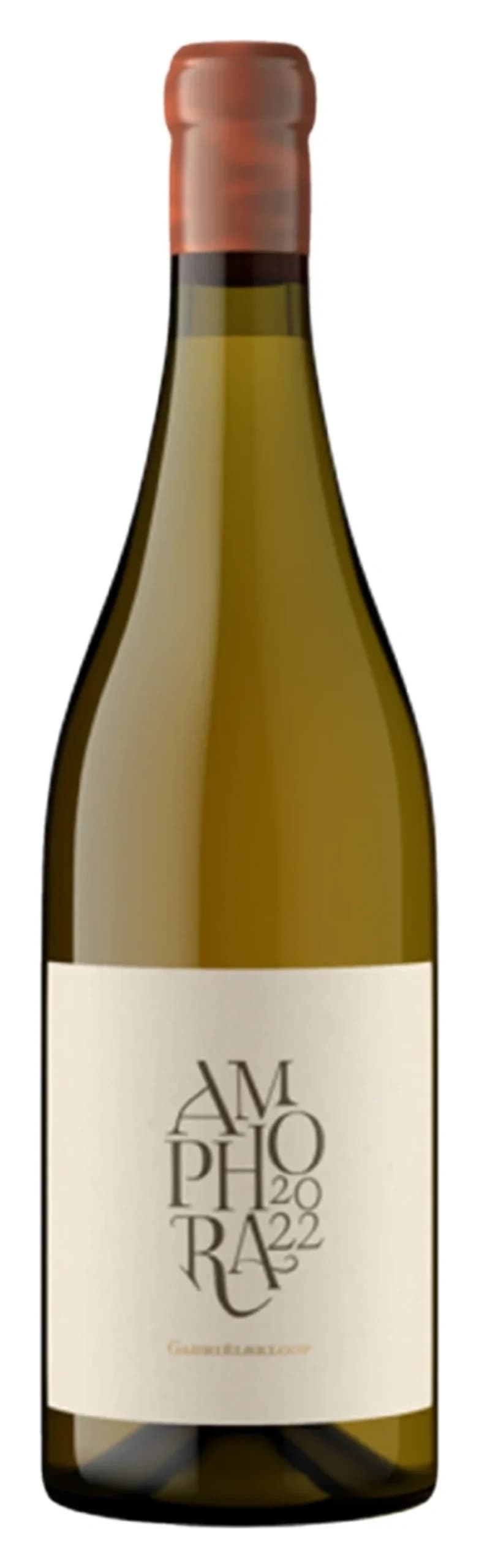
Gabrielskloof
South africa wine has one of the most dramatic backstories in the bottle: dessert wines from Constantia were seducing European courts before Bordeaux's grands châteaux had found their footing. The two centuries that followed were a different story — bulk production, political isolation, and a wine industry built for quantity. Since the first democratic elections in 1994, the Cape has been remaking itself at pace, and the best wines now rival anything the southern hemisphere produces. The regions tell that story best.
South Africa built its early reputation on the legendary sweet wines of Constantia, whose Muscat-based dessert wines were the toast of 18th- and 19th-century Europe. Today, the country is equally admired for Cabernet Sauvignon and Syrah in its warmer areas and for Pinot Noir and Chardonnay from its cooler coastal districts. Exports grew almost twentyfold between 1990 and 2019, driven by a clear pivot from bulk brandy distillate to premium table wine.
Chenin Blanc remains the most planted variety, covering 18.6% of the national vineyard, and it is the backbone of everything from fresh everyday whites to serious aged wines. Cabernet Sauvignon and Syrah — often labelled Shiraz — together account for around 21% of all plantings and lead the red charge. Pinotage, a cross of Pinot Noir and Cinsaut bred at the University of Stellenbosch in 1925, is the Cape's own variety and found nowhere else.
Stellenbosch, just outside Cape Town, has the highest concentration of grape cultivation in the country and is home to more than 50 soil types, with decomposing granite dominant on its hillsides. Walker Bay brought Chardonnay and Pinot Noir to prominence from 1975 onwards and remains the address for cool-climate precision on the Atlantic coast. Swartland has emerged as the country's most talked-about appellation for old-vine, dry-farmed whites and reds, while Constantia, Elgin, and Cape Agulhas extend the range of cooler-climate possibilities further still.
Value seekers will find Chenin Blanc and Colombard at prices that are hard to match from any European appellation of comparable quality. Prestige buyers can pursue Cabernet Sauvignon and Syrah from Stellenbosch or benchmark Pinot Noir and Chardonnay from Walker Bay. For the adventurous drinker, the dry-farmed, old-vine Swartland wines — often biodynamic, always distinctive — offer some of the most individual bottles in the southern hemisphere.
Historically the Cape was a white-wine country: Chenin Blanc, Colombard, and Sauvignon Blanc long dominated the vineyards. Since the end of apartheid in 1994, the share of black varieties has more than doubled and now stands at 45% of all plantings, with Cabernet Sauvignon and Syrah leading the red side. Today the split is close to parity, meaning whether you reach for a white, red, or the Cap Classique sparkling wines made from Chardonnay and Pinot Noir, South Africa has serious options across the board.
Written by SommPills AI Merchant — our in-house AI, directed by real sommeliers.