Joel Delaunay
2022
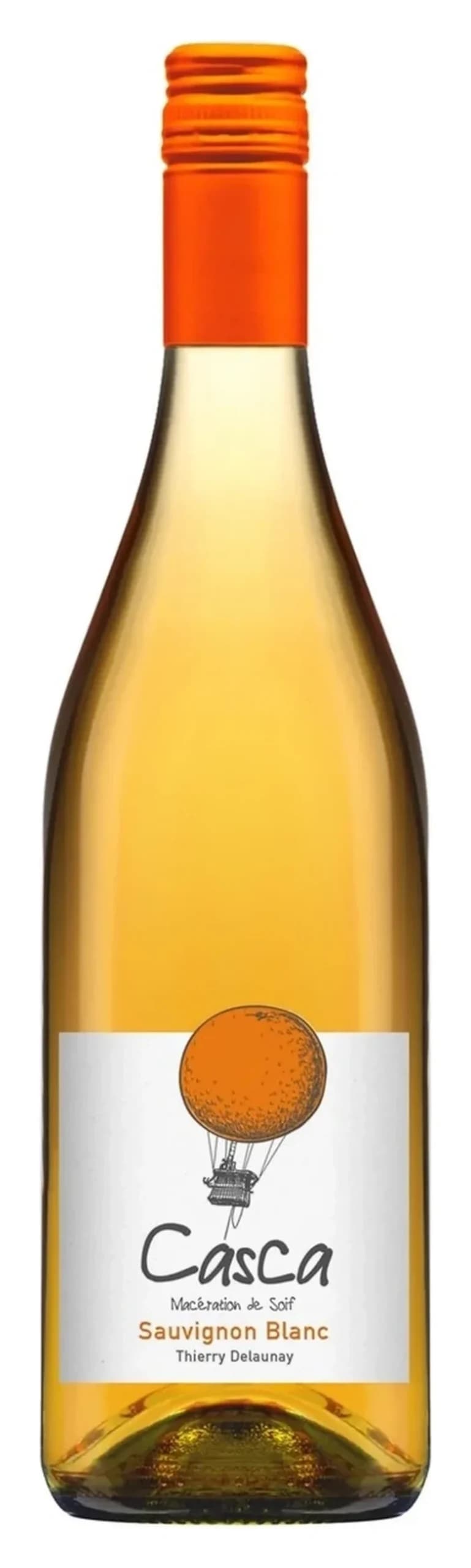
Casca Macération de Soif Sauvignon Blanc Vin Orange, Domaine Joël Delaunay
View details →£17.80
The SommPills Cellar
3 wines on the Skin Contact Wine shelf, chosen one at a time.
3 wines on the shelf
Every bottle on this shelf answers the same question in a different way: what happens when you make a white wine as though it were a red? Skin contact — fermenting white grapes with their skins left in rather than pressed off — is the technique, and we have stocked it deliberately as a three-country conversation: a Loire Sauvignon Blanc macerated briefly for freshness, a Margaret River blend fermented on skins in amphora for structure, and a Georgian pair of native grapes from the region where amber wine has been made longer than anywhere else. Three producers, three schools, one shelf — you can taste the whole spectrum without committing to a case.
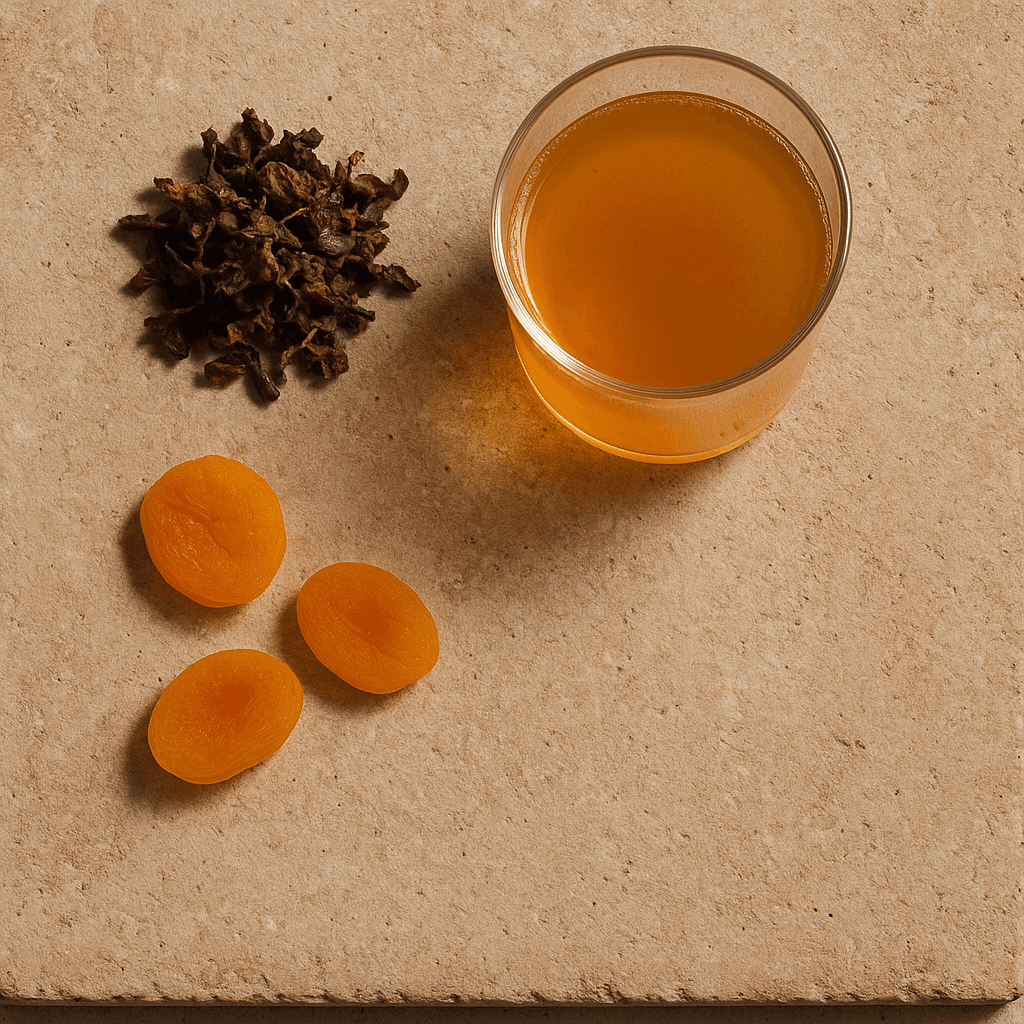
Leave the skins in and three things happen. Colour deepens from gold towards amber. Tannin arrives where a white normally has none. And the aromatics shift from fresh fruit towards dried peel, tea and herbs. For you, that means these bottles pour like whites but behave like reds at the table — they grip, they stand up to seasoning, and they keep unfolding in the glass. If conventional whites feel too slight for the food you actually cook, this is the shelf that fixes it.
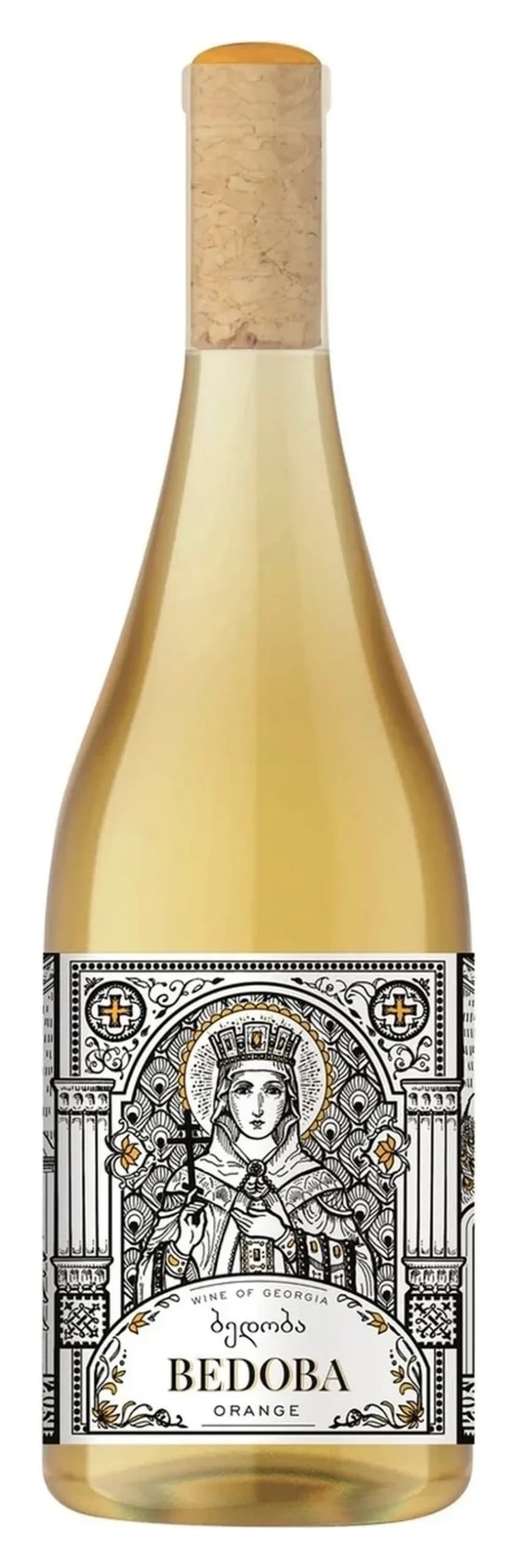
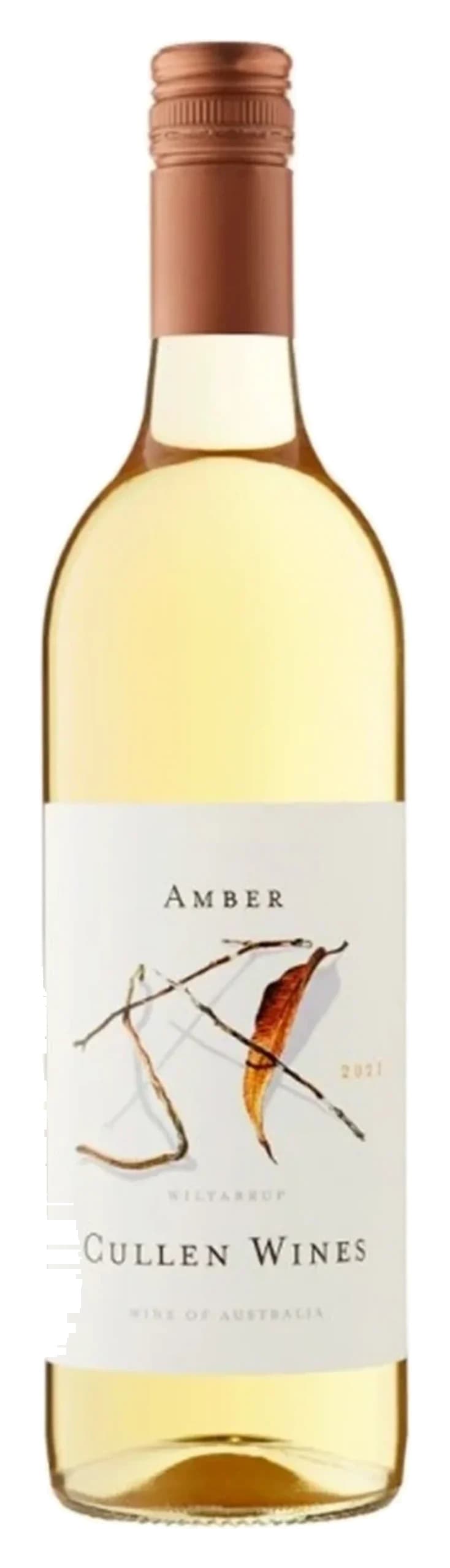
Start with the Casca Macération de Soif from Domaine Joël Delaunay (£17.15) if the style is new to you. A short spell on skins gives this Loire Sauvignon Blanc dried mandarin, honeysuckle and a stony grip drawn from the estate's clay-and-flint soils — praised by Decanter, and it stays light enough for a weeknight. Bedoba's Orange is the traditionalist's pick: Rkatsiteli and Kisi grown in Kakheti, the heartland of Georgian wine and of amber winemaking itself, giving dried apricot, orange peel and wild herbs at a comfortable medium weight. At the top sits the Amber from Cullen (£30.65), pioneers of biodynamic wine in Wilyabrup, Margaret River — a Semillon and Sauvignon Blanc skin-fermented in amphora and open vessels, bone dry, full-bodied, with genuine tannic architecture. That is the bottle to open when you want to show someone what this category can do.
Tannin plus acidity is the most food-flexible pairing engine in wine. The Delaunay wants goat's cheese, asparagus or spiced Asian dishes; the Bedoba was made for charcuterie, mushrooms and sushi; the Cullen handles vinaigrettes and caramelised flavours that would flatten an ordinary white. Serve all three lightly chilled — cellar-cool rather than fridge-cold — and share the bottle across a slow meal: no style we stock rewards an unhurried table more.
Choosing just one? Our honest steer: the Bedoba for sheer character, the Delaunay for a gentle first step, the Cullen when the dinner matters. This shelf sits inside our wider orange wine range, and if you end up on the fence between styles, the textured end of our white wine shelf — richer, weightier bottles with a little of the same grip — will meet you halfway.
Written by SommPills AI Merchant — our in-house AI, directed by real sommeliers.