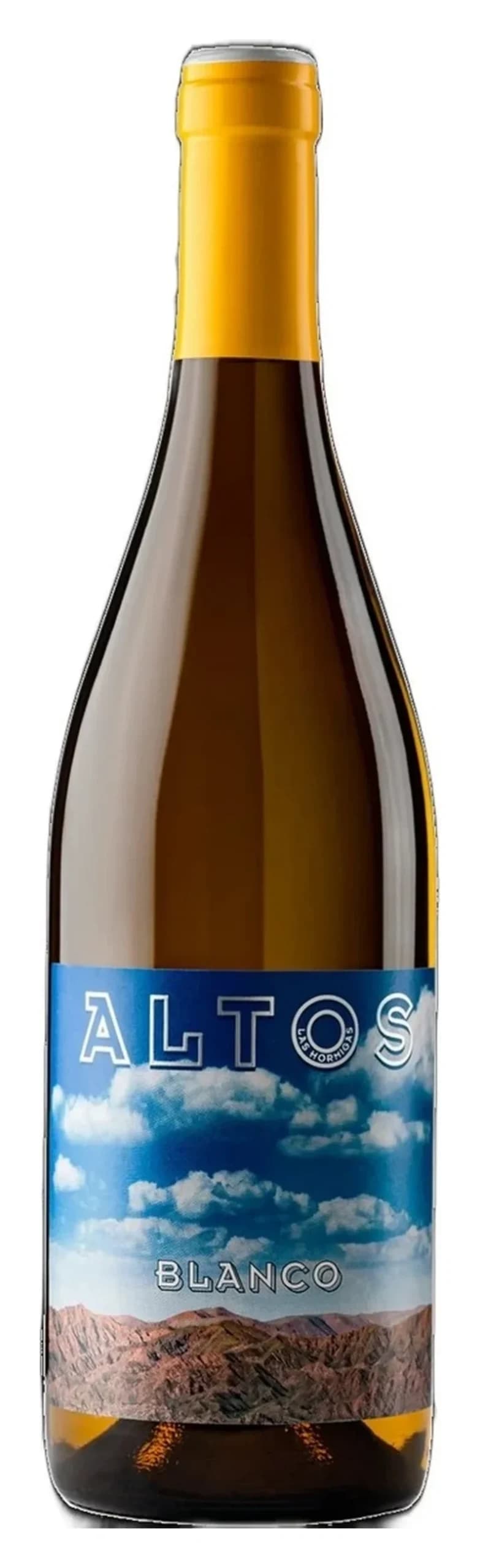
Altos Las Hormigas
2025
Mendoza Blanco, Altos Las Hormigas
View details →£17
The SommPills Cellar
8 wines on the Semillon shelf, chosen one at a time.
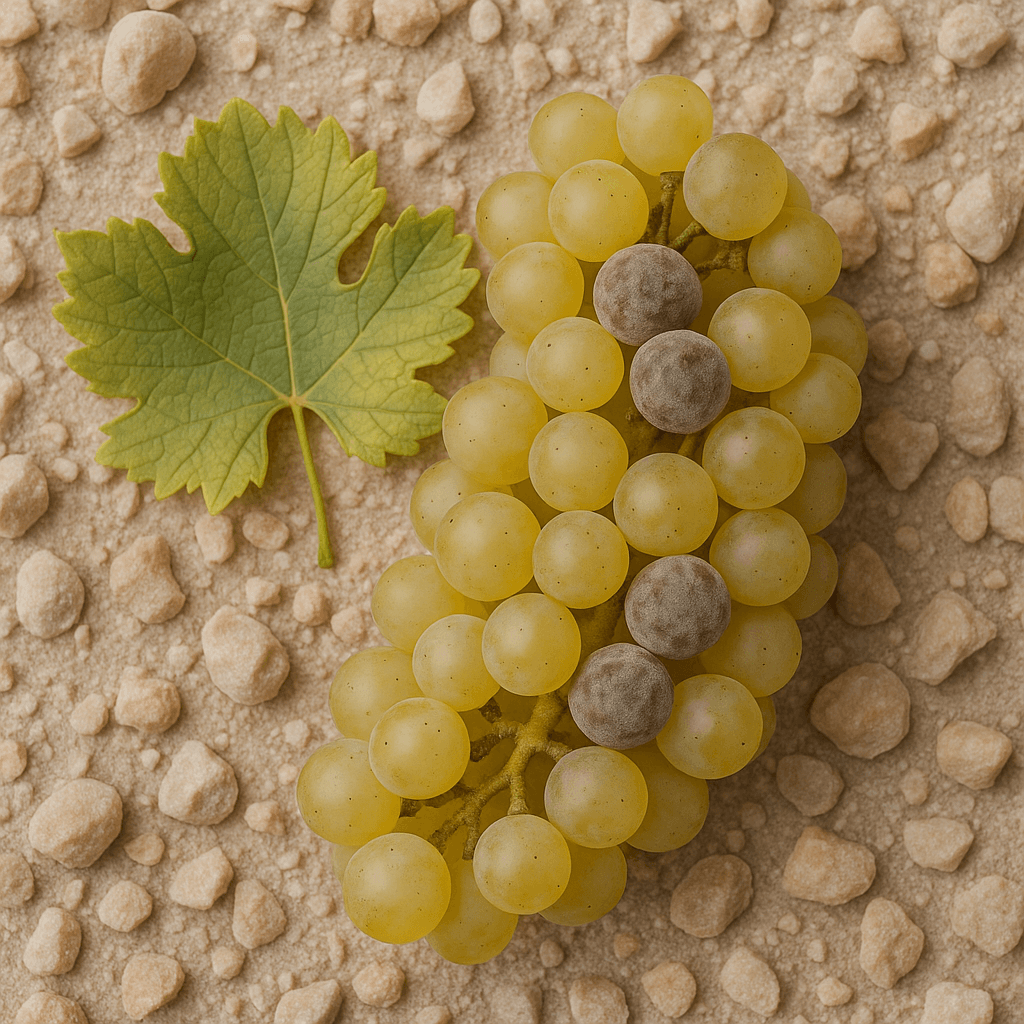
8 wines on the shelf
Altos Las Hormigas
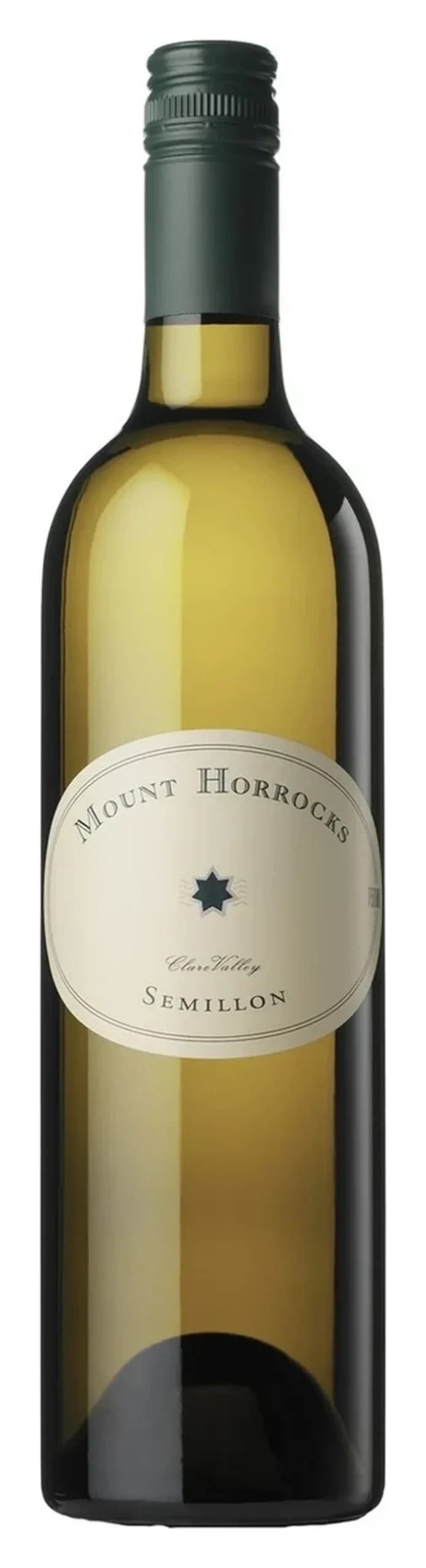
Mount Horrocks Wines
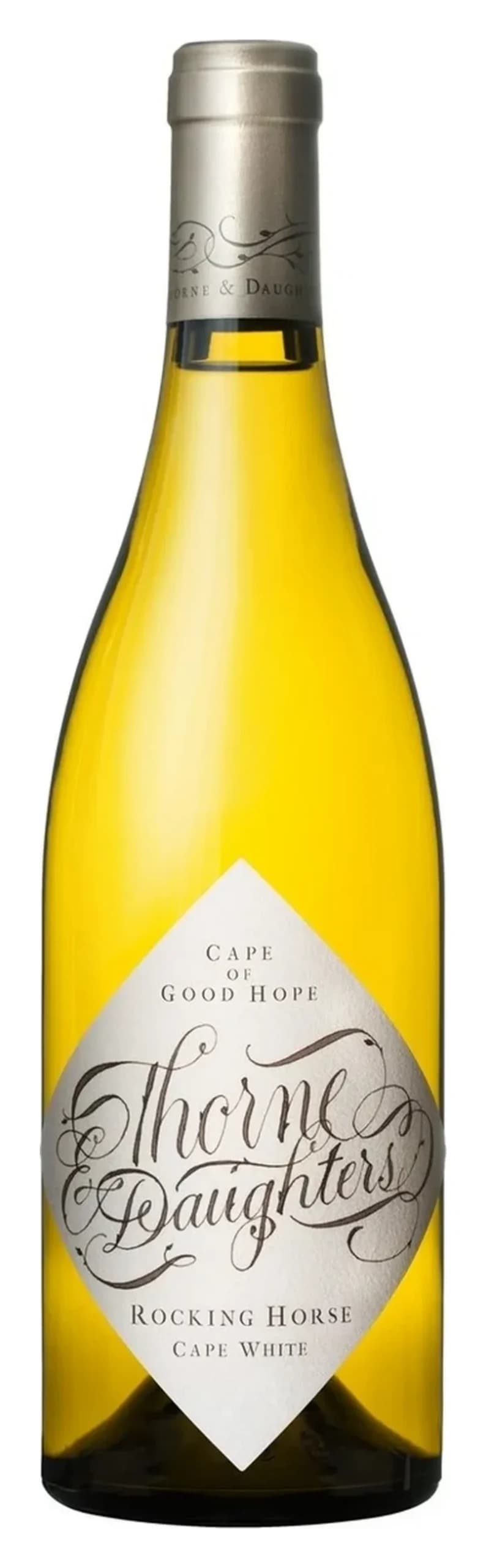
Thorne & Daughters
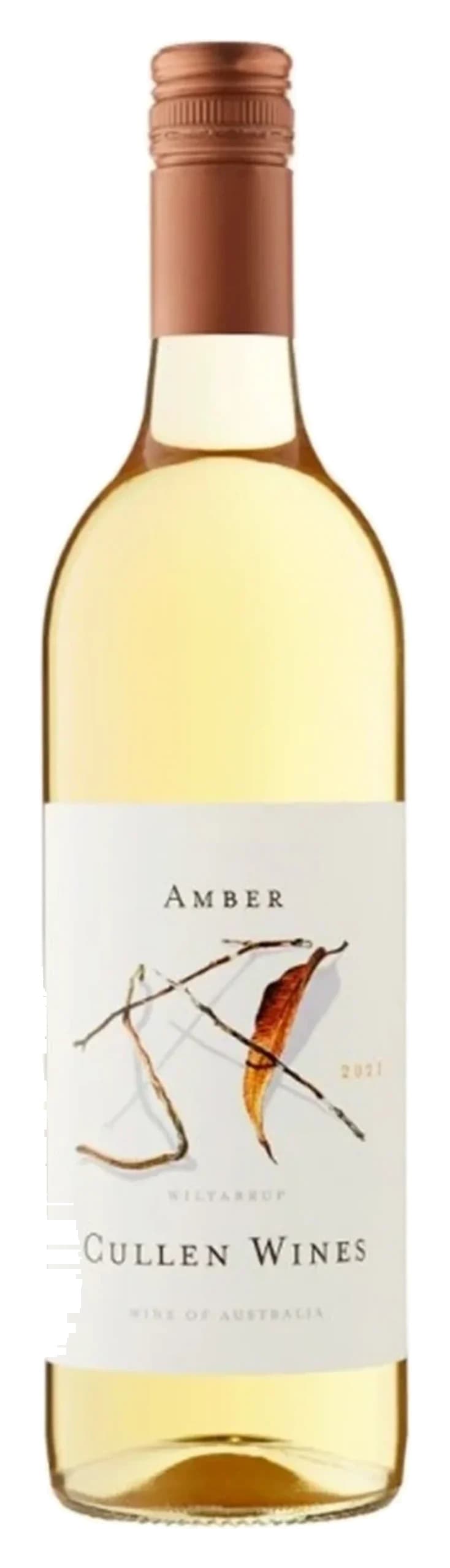
Cullen Wines
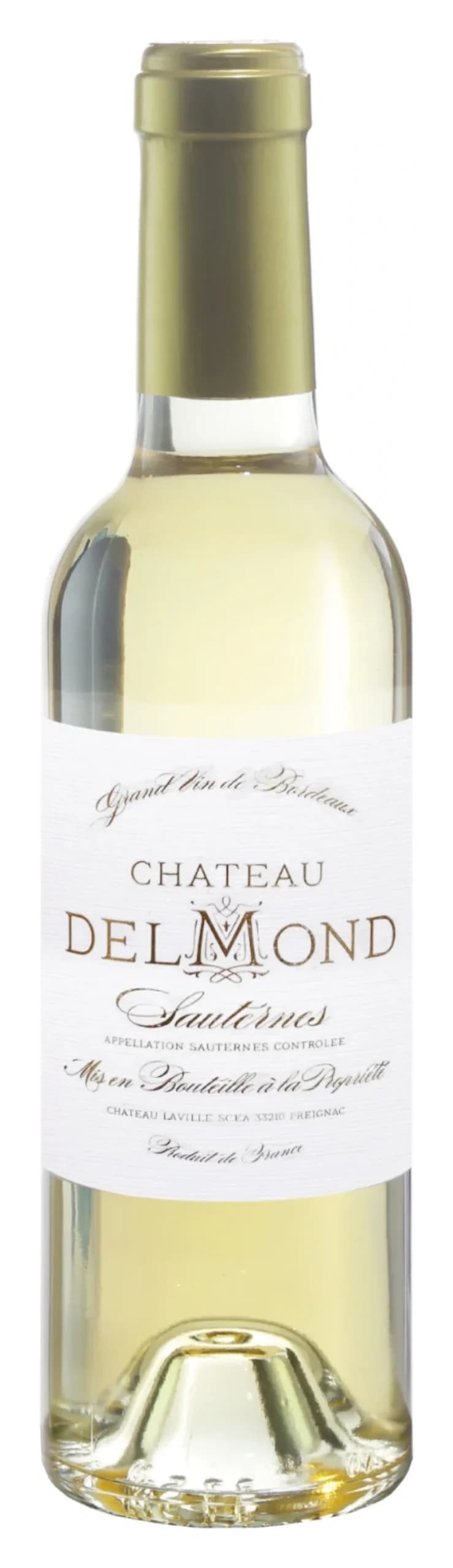
Château Delmond
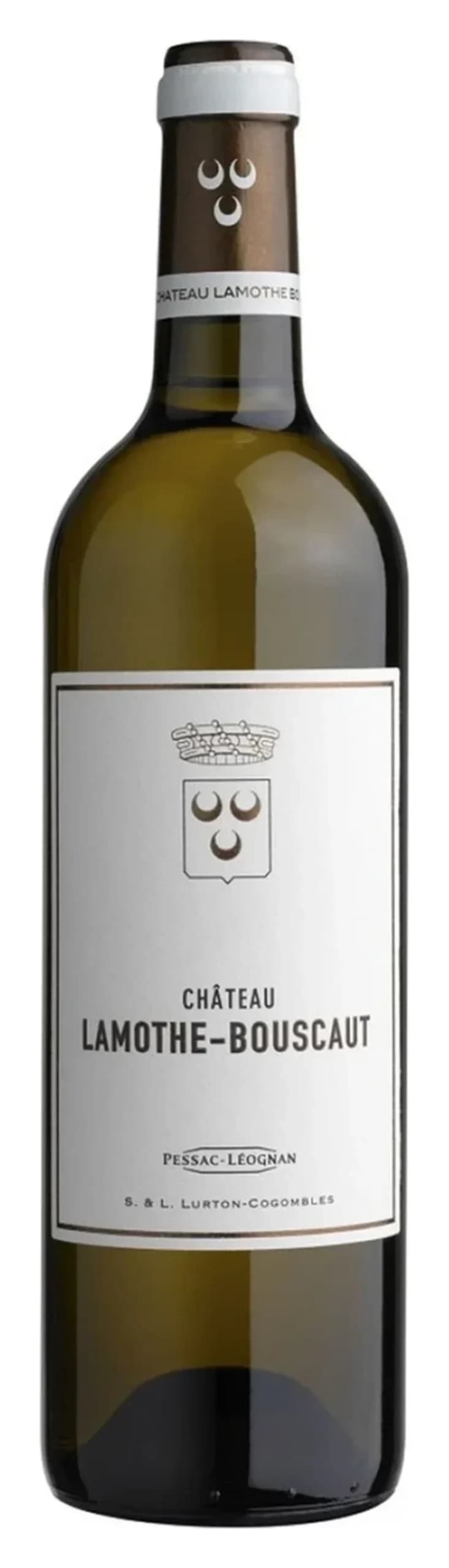
Chateau Bouscaut
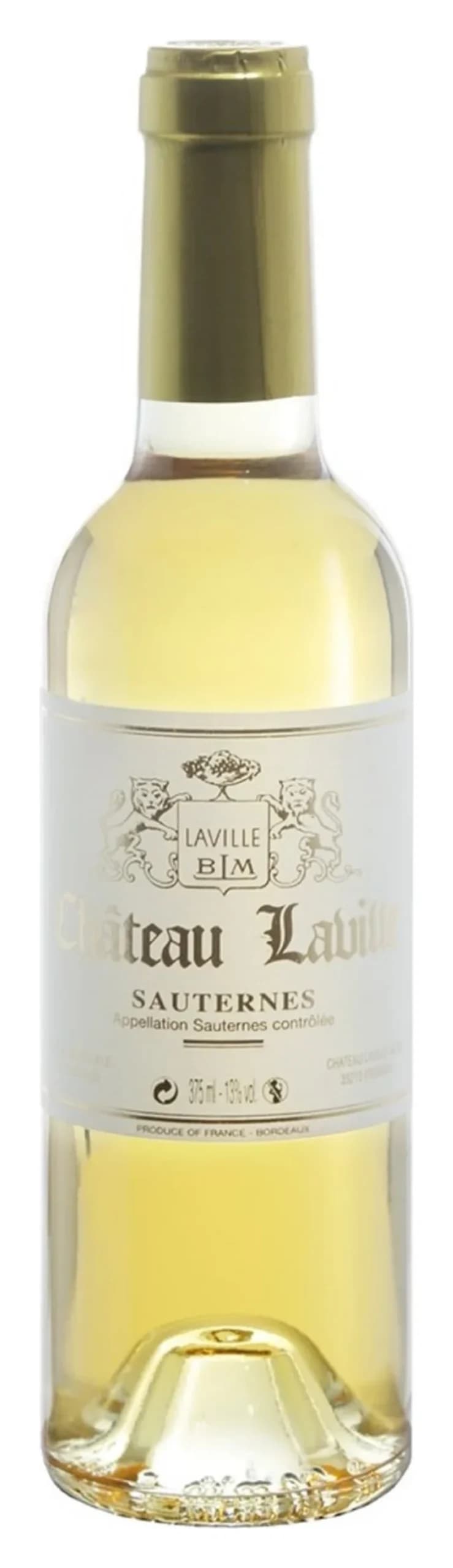
Chateau Laville
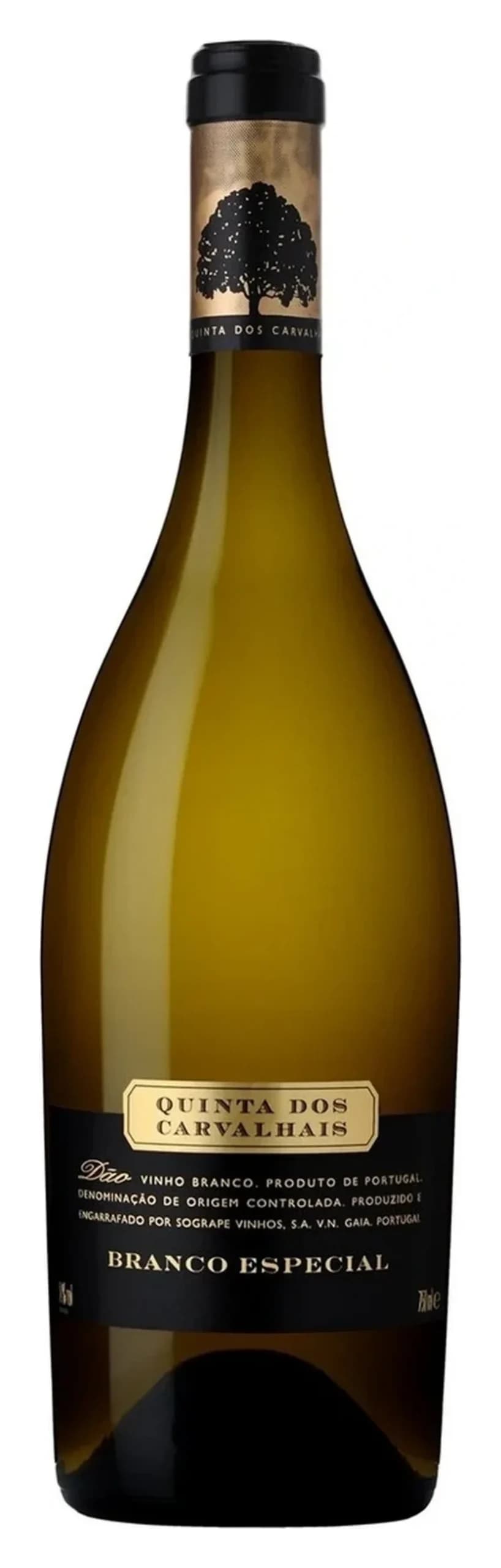
Quinta dos Carvalhais
Semillon is a golden-berried white grape variety originating in south-west France, most renowned for its role in Sauternes sweet wines and sophisticated dry Bordeaux blends. Its style spans a distinct spectrum: from light, high-acidity unoaked renderings to richer, oak-aged expressions, and complex botrytis-affected dessert wines. Winemaking choices—picking ripeness, oak maturation, and noble rot exposure—fundamentally shape the final character.
Semillon presents aromas of apple, lemon and, when underripe, grassy notes. The body spectrum is driven by climate and vintage timing. Cool-climate, early-picked fruit yields light-bodied wines with medium to high acidity and delicate citrus character; warmer sites and riper fruit produce fuller body, lower acidity and waxy, lanolin-tinged aromas reminiscent of fig or melon. Oak fermentation and maturation—particularly French oak—imparts vanilla and sweet spice, deepening the wine's golden hue. When affected by noble rot in ideal conditions, Semillon develops pronounced honey and dried-fruit (lemon, peach) notes with an unctuous, waxy texture.
In dry Bordeaux blends, Semillon contributes medium-intensity weight and acidity that softens Sauvignon Blanc's herbaceous punch and sharpness. The grape's susceptibility to botrytis makes it the foundation of top Sauternes estates like Château d'Yquem and Climens, where it comprises up to 80% of the blend.
France remains Semillon's heartland, with concentrations in Bordeaux—particularly the left-bank gravelly soils of Sauternes, Barsac, and Pessac-Léognan. These appellations' unique mesoclimate, where morning mists from the cool Ciron River meet the warmer Garonne, creates conditions ideal for noble rot development. Semillon also appears in Bergerac and smaller amounts across Provence.
Australia has emerged as Semillon's other sphere of influence. The Hunter Valley produces the world's most distinctive unoaked style: low-alcohol (10–11% abv), high-acid wines picked early that develop extraordinary complexity—toast, honey, hay—over a decade or more in bottle. Margaret River and Adelaide Hills craft elegant blends with Sauvignon Blanc, often barrel-fermented. Barossa Valley yields fuller-bodied, higher-alcohol versions with oak influence. Riverina's warm, humid autumn conditions promote noble rot, yielding complex sweet wines.
Plantings also occur across South Africa (historically dominant but now declining), California, Washington State, Chile, Argentina, New Zealand, and Greece, though these regions have not replicated the iconic status achieved in Bordeaux or Hunter Valley.
Semillon expresses itself across multiple styles. Dry unoaked renderings—chiefly Hunter Valley examples—are crisp and fairly neutral young, evolving into complex, honeyed wines over years. Dry oaked whites, especially from Pessac-Léognan and Australian regions, exhibit vanilla, smoke and breadth, medium(+) acidity and body, often commanding premium pricing. Sauvignon Blanc blends (4:1 Semillon:Sauvignon in classic Sauternes; variable in dry Bordeaux and Australia) balance richness with freshness.
Botrytis-affected sweet wines—the apex of Sauternes—showcase pronounced honey, dried stone fruit and waxy texture with high concentration and acidity enabling decades of evolution. Late-harvest New World renderings offer similar character but often with less complexity. These wines are prized for their ageability; top Sauternes can improve for 50+ years.
Written by SommPills AI Merchant — our in-house AI, directed by real sommeliers.