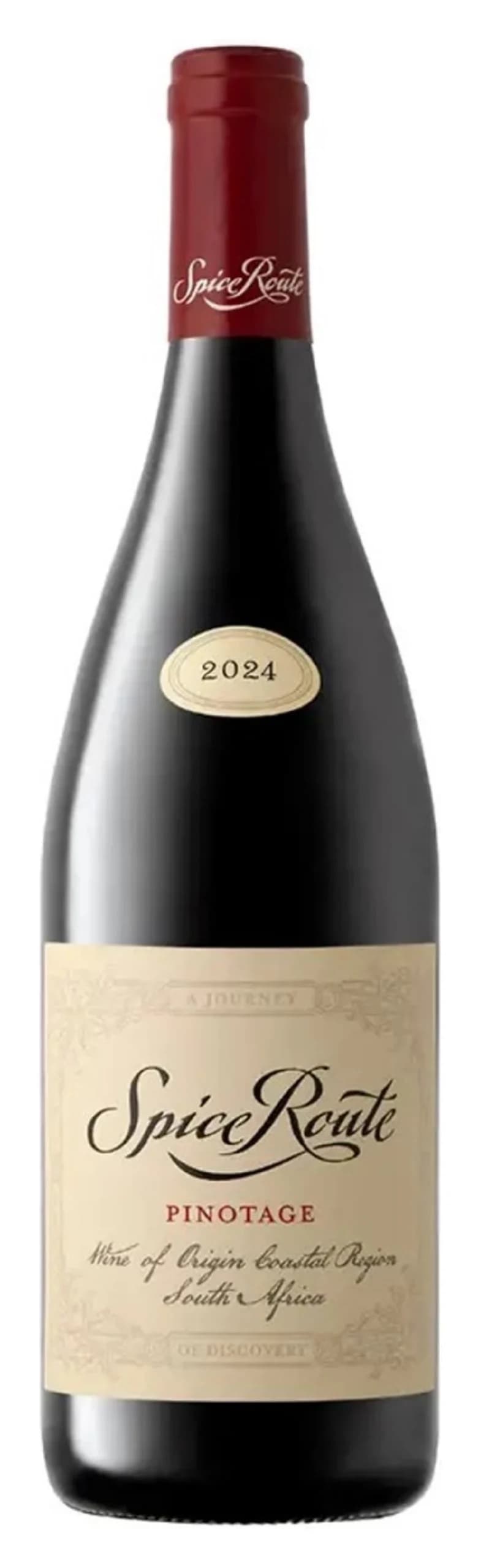
Spice Route Wines
2025
Swartland Pinotage, Spice Route
View details →£18.60£24.80 per litre
The SommPills Cellar
1 wine on the Pinotage shelf, chosen one at a time.
1 wines on the shelf
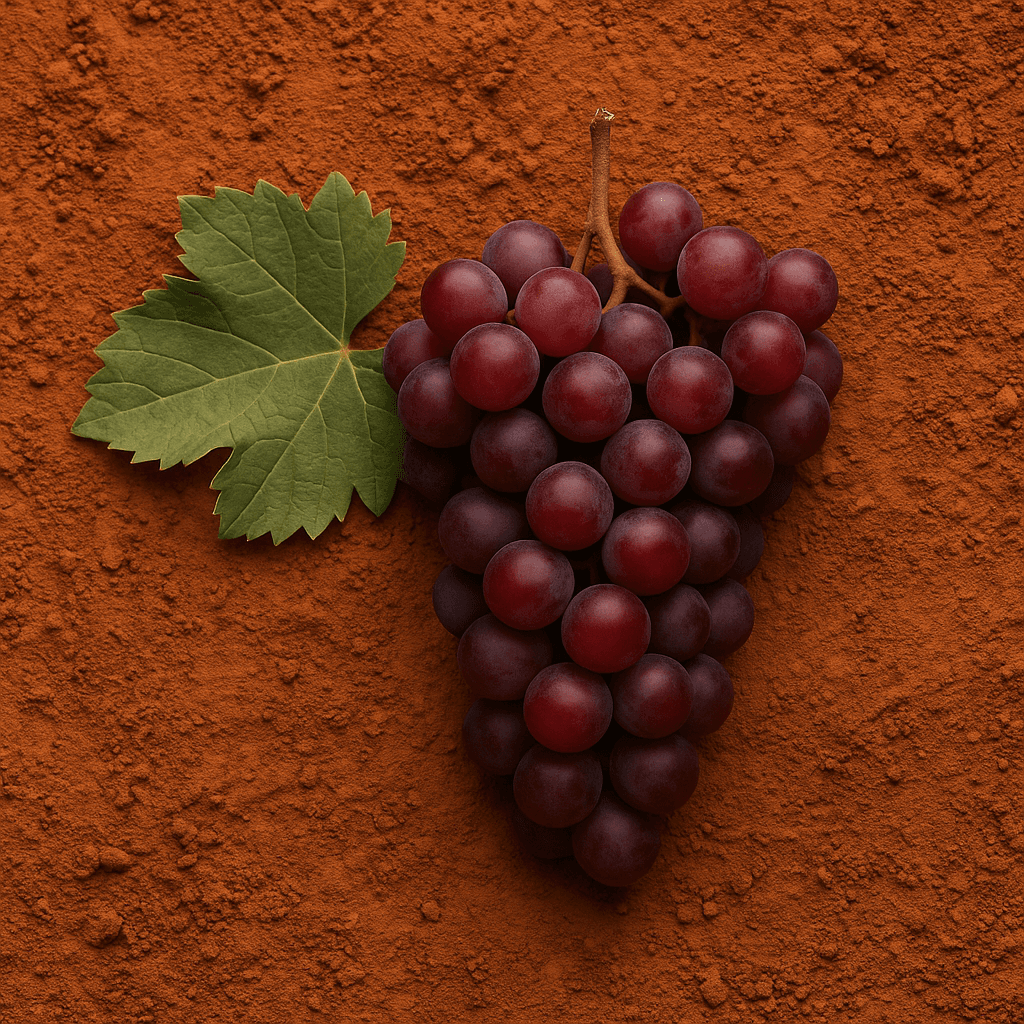
Pinotage wine stems from South Africa's own cross—a 1925 Stellenbosch University creation pairing Pinot Noir with Cinsaut (then called Hermitage locally). First labelled in 1961, this hardy, early-budding grape has evolved from a controversial reputation into a respected producer of diverse styles, from pale rosés to deeply coloured, complex reds with significant ageing potential.
Pinotage wine exhibits a spectrum of flavours and structure entirely shaped by climate, harvest timing, and cellar technique. In cooler-site or early-picked expressions, the palate reveals delicate red fruit—cherry and strawberry—with fresher acidity and lighter tannins, echoing the Pinot Noir lineage. Conversely, riper, warm-region bottlings develop deeper plum and blackberry with spice and dark-fruit intensity, fuller body, and firmer tannin grip.
Maceration duration is critical: extending skin contact beyond three days deepens colour, builds extract, and strengthens tannin structure for wines built to evolve. Fermentation temperature control is essential; excessive heat risks brett or metallic off-flavours historically associated with the variety. When handled well, the wine carries medium to high alcohol, good structure, and potential for a savoury spice character. Oak maturation—whether new or aged barrels—introduces vanilla, mocha, and clove notes that intensify richness; many inexpensive examples use stainless steel or oak alternatives, while premium Pinotage often sees French oak.
South Africa remains the dominant and finest source, with significant plantings in Stellenbosch, Paarl, and Malmesbury. Across the country, Pinotage occupies roughly 6% of total vineyard area—approximately 6,637 hectares—making it a cornerstone of South African wine identity and ensuring a reliable supply of the variety across quality tiers. Stellenbosch's granite and shale slopes with moderate rainfall produce some of the finest examples; warm-climate sites favour riper, fuller-bodied styles.
Limited plantings exist elsewhere: California's San Joaquin Valley, Sonoma Coast, and Napa focus on warm-region ripeness; New Zealand's Gisborne, Hawke's Bay, and Marlborough deliver cooler-climate profiles; Brazil (Rio Grande do Sul), Australia, Oregon, and Washington grow smaller parcels. Israel and Zimbabwe also cultivate the variety in niche quantities.
Pinotage wine spans accessible to premium tiers. Inexpensive bottlings—often carbonated or simply fruity—deliver straightforward red-fruit pleasure at low cost. Mid-range varietal wines split between two traditions: the fuller, traditional style displays deep ruby, pronounced plum and blackberry, high tannins, full body, and high alcohol suited to extended cellaring; the lighter, modern style presents medium ruby, red fruit, medium tannins, and elegance without post-fermentation skin contact.
Premium Pinotage wines from specialists like Kanonkop, Beyerskloof, and L'Avenir achieve complexity and longevity through restricted yields, mature vine material, and careful oak integration. Cape Blends—reds with significant Pinotage and/or Rhône varieties—offer structured, age-worthy expressions. Rosé and sparkling Pinotage also exist, expanding the variety's versatility beyond dry reds.
Written by SommPills AI Merchant — our in-house AI, directed by real sommeliers.