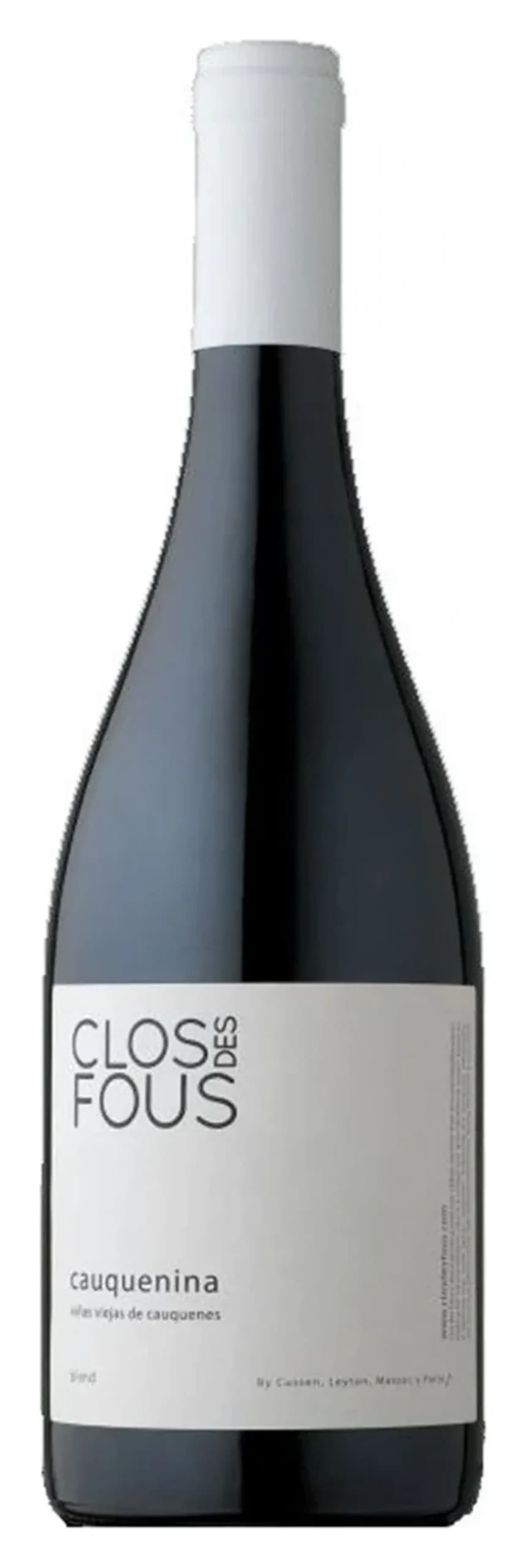
Clos des Fous
2017
Cauquenina Itata Valley, Clos des Fous
View details →£21.60
The SommPills Cellar
1 wine on the País shelf, chosen one at a time.
1 wines on the shelf
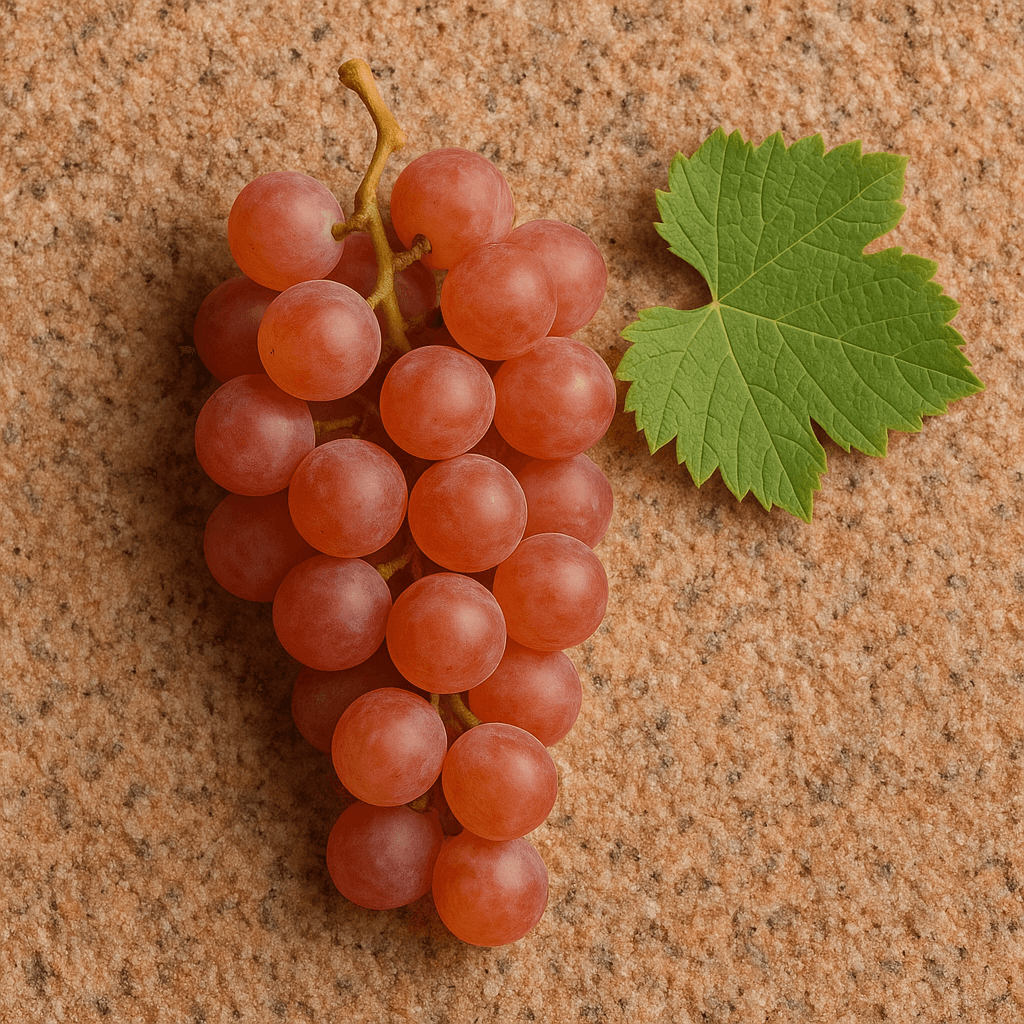
País, also known as criolla chica and Listán Prieto, is an ancient Spanish-descended grape that dominates Chile's southern regions. Once dismissed as a peasant variety, a new wave of producers has transformed país into compelling, fresh wines celebrated for their authenticity and sense of place.
País wines display a pale to medium ruby hue and sit at the lighter to medium end of the body spectrum. The palate reveals primary aromas of strawberry, red raspberry and often spicy or herbal undertones. Acidity registers as medium, lending freshness and vibrancy to the wine's structure.
Tannin levels vary from low to medium, though when present they can feel austere and benefit from gentle extraction techniques such as carbonic maceration. Climate and winemaking profoundly shape the final style: cooler coastal dry-farmed sites yield leaner, more acidic expressions, whilst warmer inland sites produce riper, fuller-bodied examples. Oak maturation, rarely applied, would add richness; most país wines remain unoaked to preserve their delicate fruit character and regional identity.
País thrives across Chile's southern regions, with the largest concentrations in Maule and Bío-Bío. Spanning approximately 2,000–3,000 hectares nationally according to the 2020 official vineyard census, país occupies a modest but culturally significant footprint—many plantings remain on elderly, unirrigated plots worked by ageing farmers, often blended together in the field rather than kept as single varieties, a testament to the grape's working-class heritage.
The variety's stronghold is the cool, maritime-influenced zone of southern Chile, particularly the secano interior—the dry interior slopes where rainfall is limited and vines are stress-tested by conditions. Here, century-old bush vines produce wines of remarkable concentration and minerality. A smaller but growing presence has emerged in California and Spain, where forward-thinking winemakers are reassessing this once-forgotten cultivar.
Modern país wines span a spectrum driven by terroir and technique. Entry-level examples are light, juicy, and designed for early drinking—the spiritual heirs of the historic pipeño, a quenching peasant wine. These offer vivid strawberry and raspberry with minimal structure, suited to casual consumption and food pairing.
A growing cohort of serious producers, particularly those employing carbonic or semi-carbonic maceration, craft more complex bottles with greater depth. These mid-tier expressions retain freshness but develop savoury herbal and spicy notes, earning recognition as very good quality wines at fair prices. The rarest examples—from ancient, low-yielding bush vines in pristine coastal or altitude-favoured sites—can attain considerable complexity and ageing potential, especially when the producer exercises restraint in oak.
Most país wines remain dry, unoaked, and intended to showcase the vineyard's character rather than winemaker intervention. This philosophy has made país a symbol of Chile's viticultural heritage revival and a gateway to understanding the country's historic wine culture.
Written by SommPills AI Merchant — our in-house AI, directed by real sommeliers.