José Estévez
NV
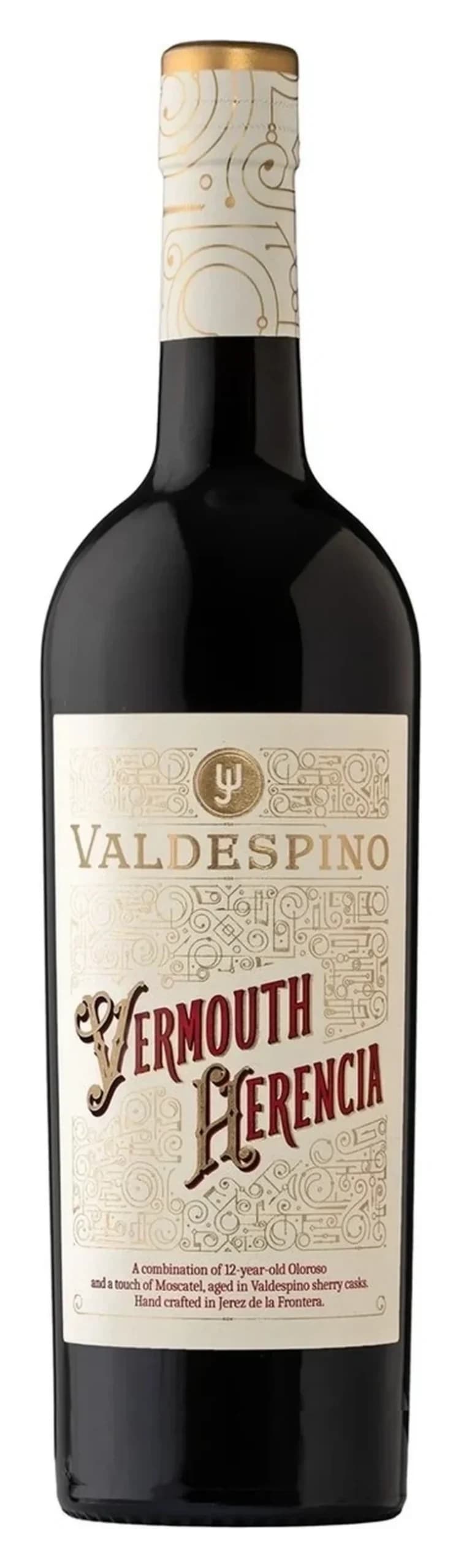
Vermouth Herencia, Valdespino, Aperitifs & Spirits
View details →£24.25
The SommPills Cellar
3 wines on the Muscat of Alexandria shelf, chosen one at a time.
3 wines on the shelf
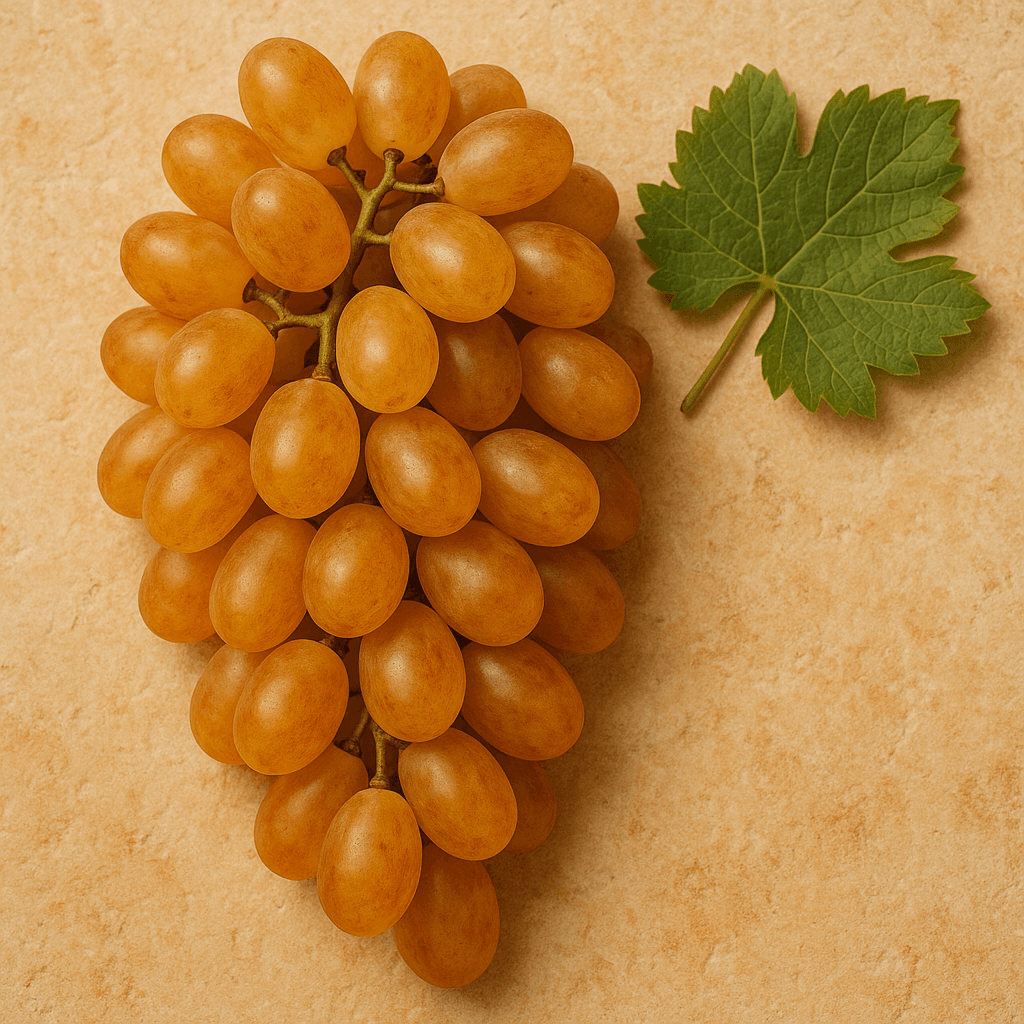
Muscat of Alexandria wine comes from an ancient grape variety whose origins trace back to the Mediterranean, though it generally produces less refined wine than the finer Muscat Blanc à Petits Grains. This variety thrives in warm, dry climates and is used to make a spectrum of styles—from sweet fortified wines to dry table expressions—across Spain, Portugal, Australia, South Africa, and beyond.
Wines from Muscat of Alexandria deliver a distinctly grapey aroma alongside floral notes of orange blossom, honey, and sometimes marmalade. The aromatic profile, while recognisable as Muscat, tends to be less delicate than that of Muscat Blanc à Petits Grains, with a broader, more straightforward sweetness. On the palate, these wines are typically sweet, showing medium to medium-plus acidity that can feel soft in hot-climate examples. The body varies with winemaking intent: fortified versions are fuller and syrupy, while dry styles (increasingly made in Portugal and Roussillon) are lighter and crisper, especially when fermented cool in stainless steel. In warm regions like southern Spain and inland Australia, the grape accumulates high sugar levels that drive rich, alcoholic wines with jammy intensity and lower acidity—ideal for fortification and long cellaring; in cooler pockets or higher-altitude sites, fresher acidity persists and the style becomes more restrained and food-friendly.
Spain leads plantings, where the grape is known as Moscatel de Alejandría or Moscatel de Málaga, used in sweet wines around Málaga and Chipiona. Portugal cultivates it as Moscatel de Setúbal and Moscatel Graúdo, notably for fortified wines in Setúbal and increasingly dry versions elsewhere. Australia calls it Muscat Gordo Blanco or Lexia; plantings in the Riverland and Riverina yield both fortified dessert wines and blending components for inexpensive dry whites. South Africa grows it as Hanepoot, mainly in warm inland regions for fortified styles. It is also widespread in Greece (especially Límnos), California's Central Valley, Chile (often distilled for pisco), and parts of North Africa and the Near East.
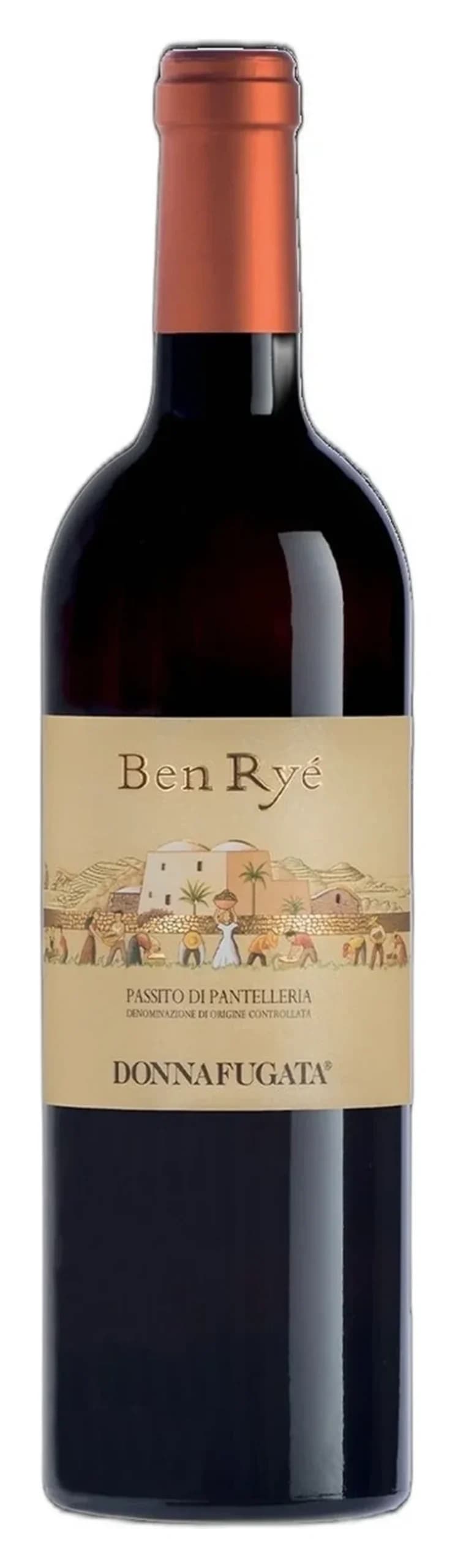
Muscat of Alexandria appears in multiple guises. The most traditional are sweet, fortified wines—sticky, strong, and unsubtle—made in Spain, Portugal, and Australia, often aged in wood to develop nutty, oxidative character. Unfortified sweet wines, sometimes from late-harvest or dried grapes (such as Passito di Pantelleria in Sicily under the name Zibibbo), show intense honeyed fruit. Increasingly, winemakers produce dry, aromatic table wines, especially in Portugal and southern France. Quality ranges from acceptable everyday sweetness to very good examples with real complexity and age-worthiness. Expect best value in fortified versions from Setúbal and South Africa, and finest dry styles from careful Portuguese and French producers.
Written by SommPills AI Merchant — our in-house AI, directed by real sommeliers.