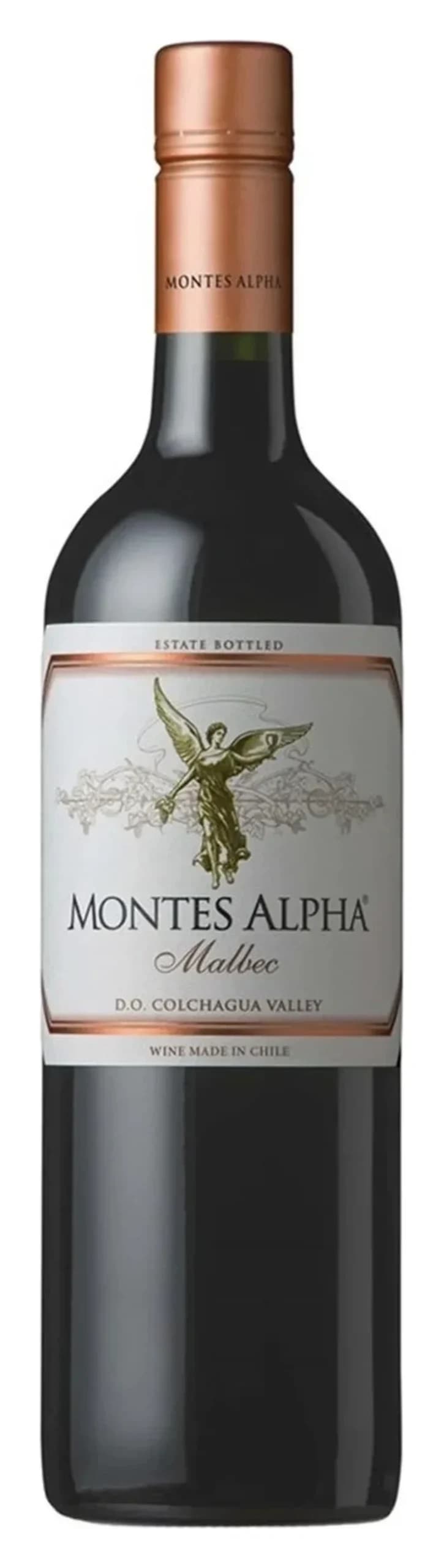
Montes
2022
Colchagua Malbec, Montes Alpha
View details →£16.85
The SommPills Cellar
20 wines on the Malbec shelf, chosen one at a time.
20 wines on the shelf
Montes
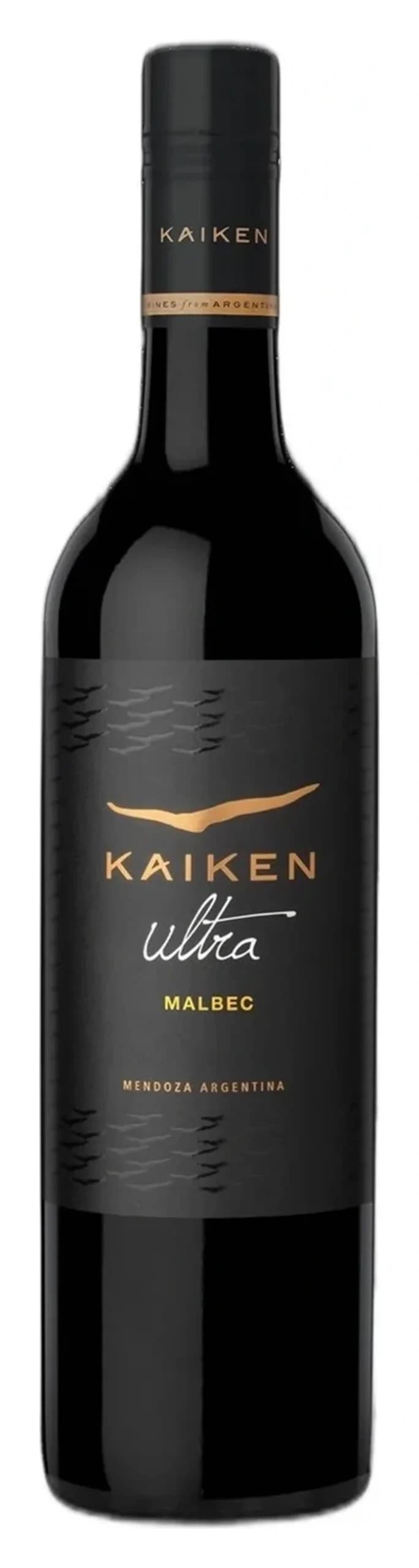
Kaiken
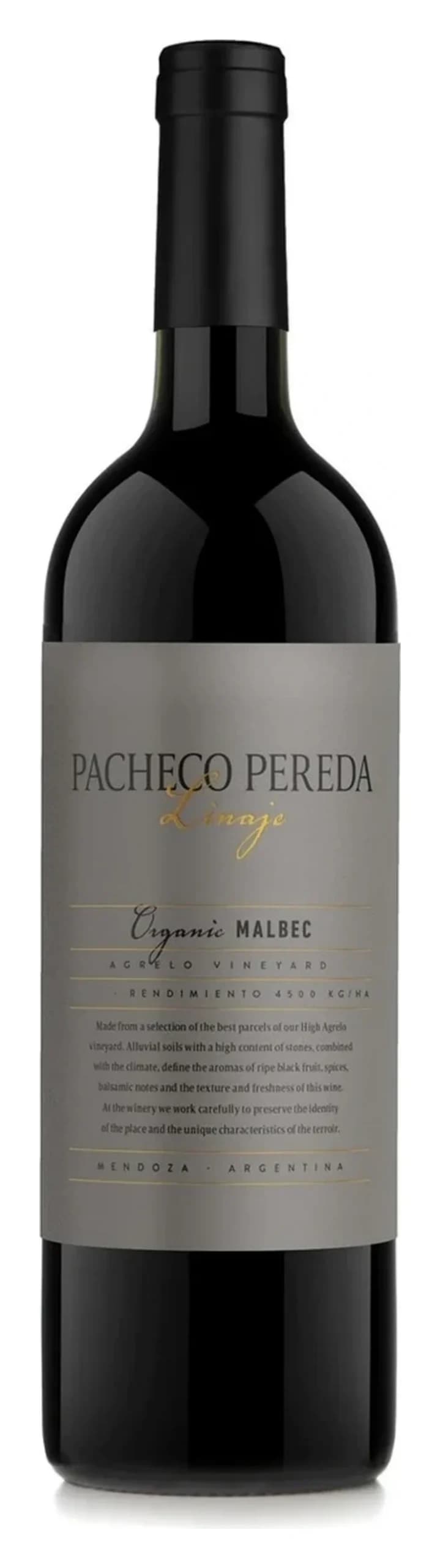
Bodega Pacheco Pereda
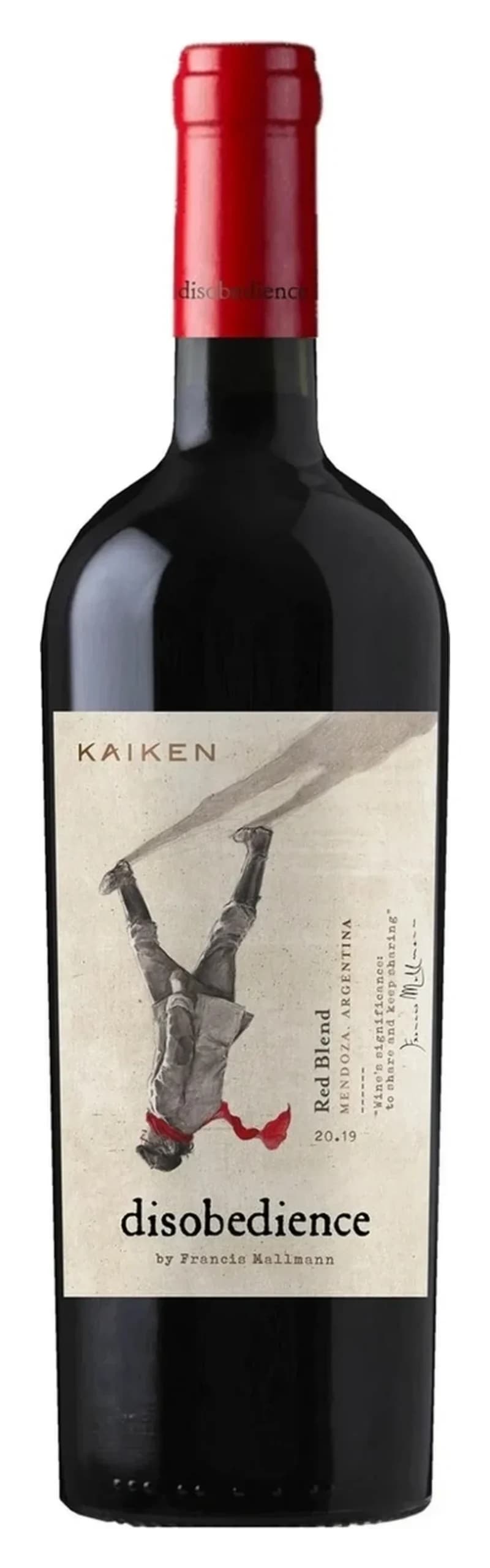
Kaiken
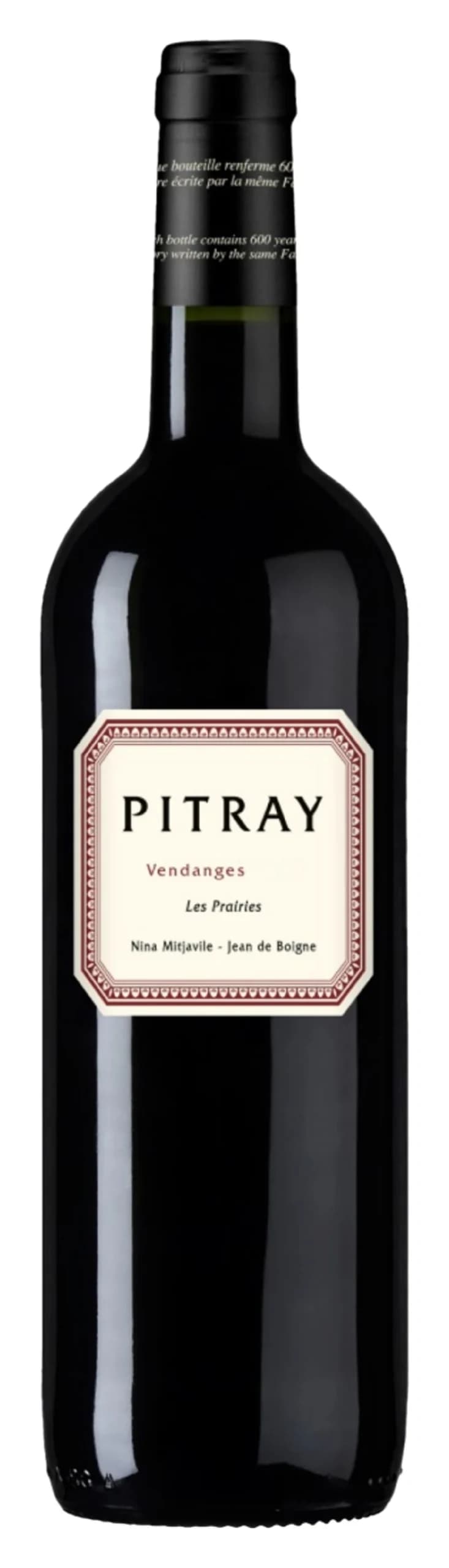
Chateau de Castegens
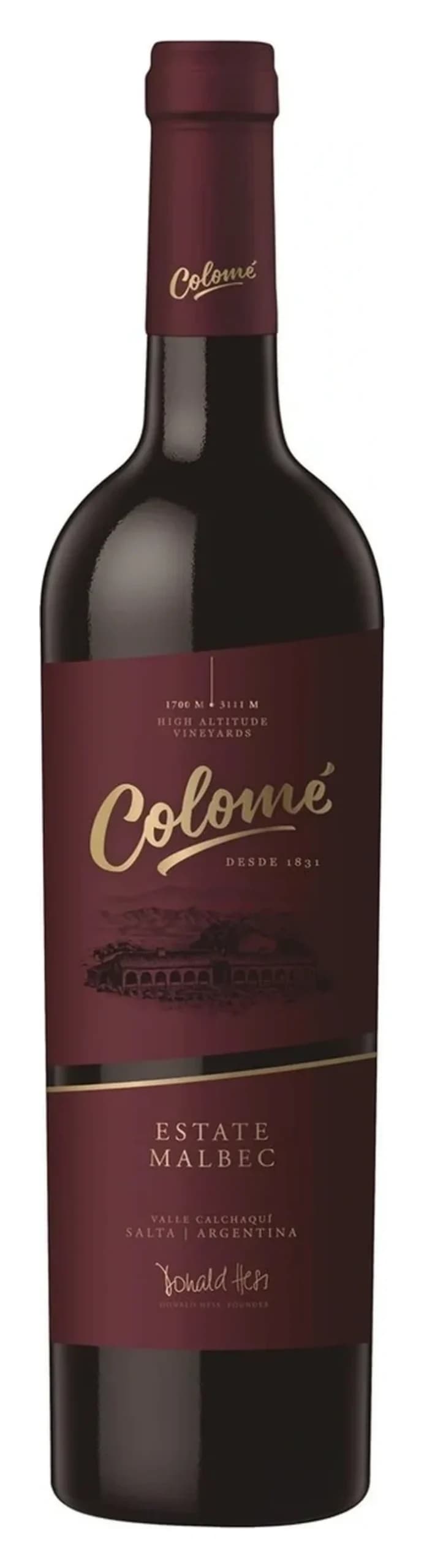
Bodega Colome
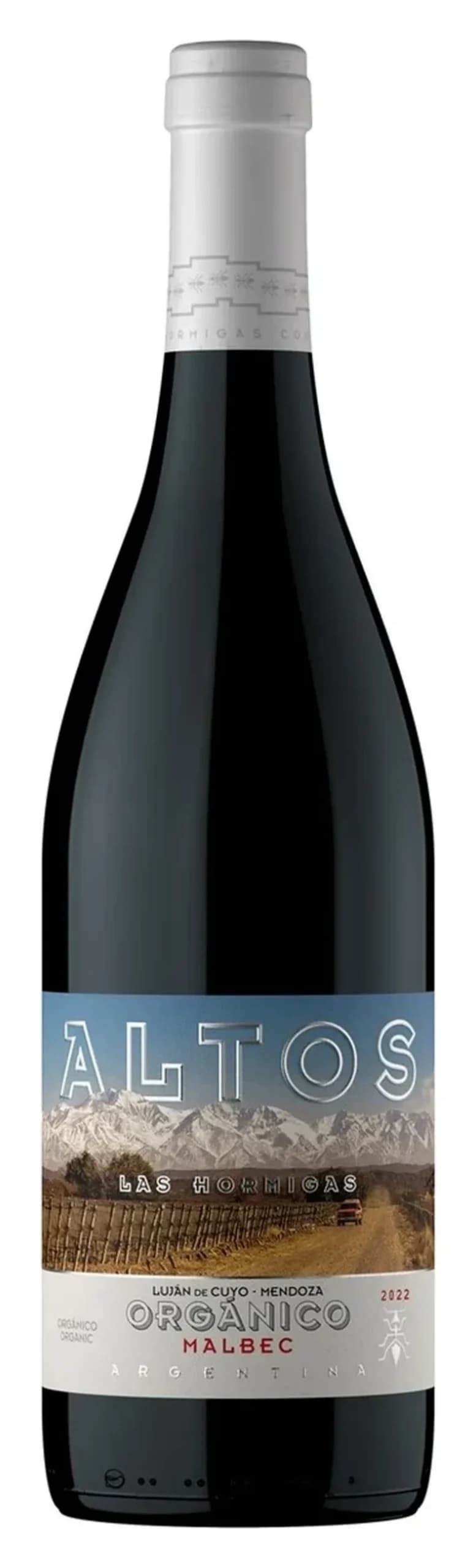
Altos Las Hormigas
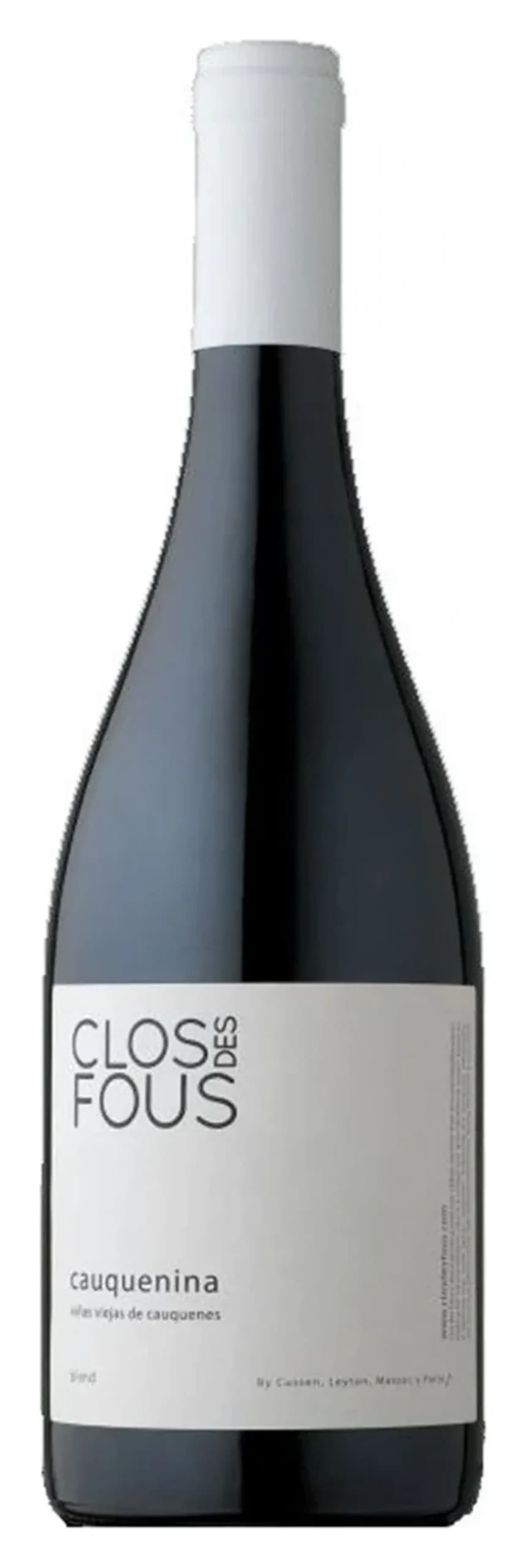
Clos des Fous
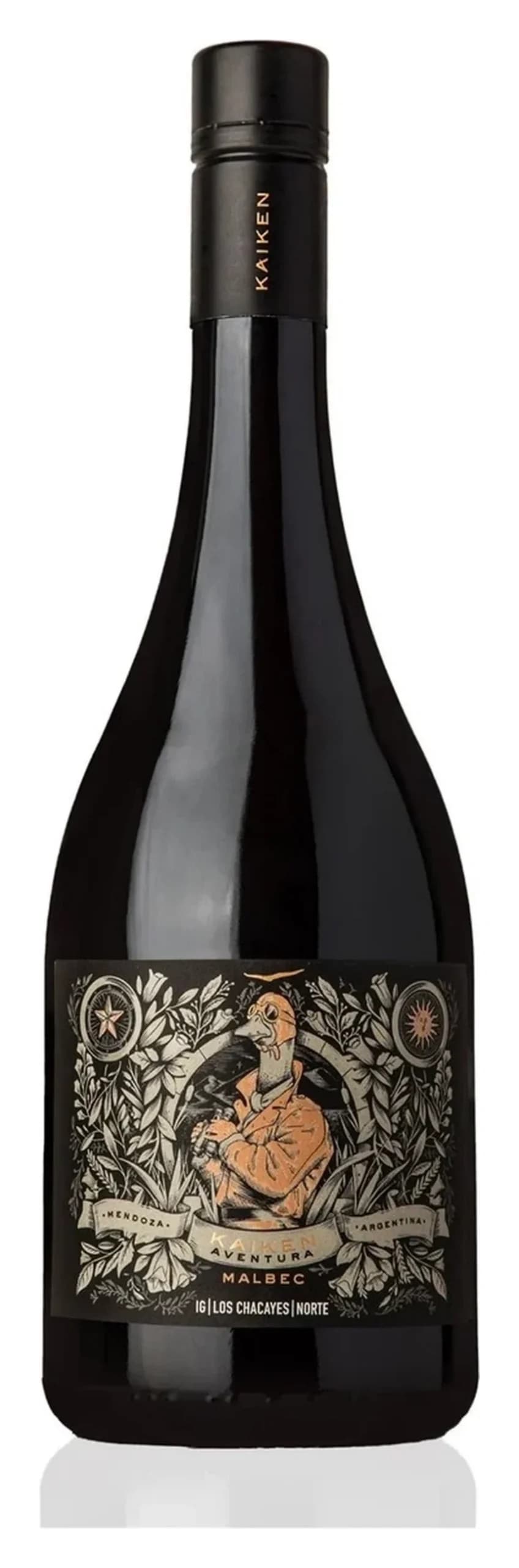
Kaiken
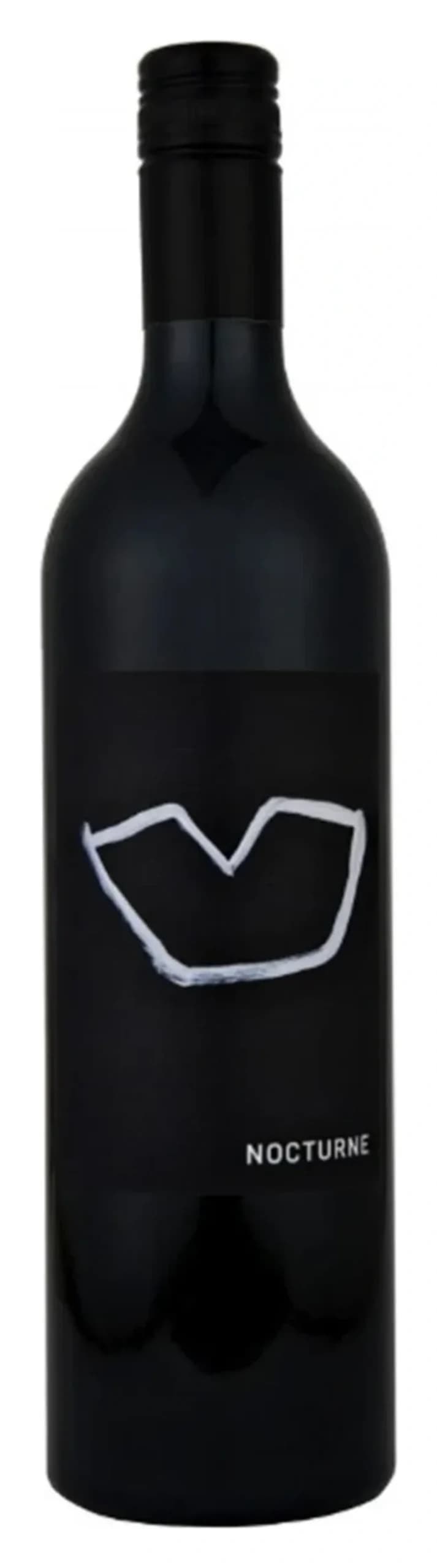
Nocturne Wines
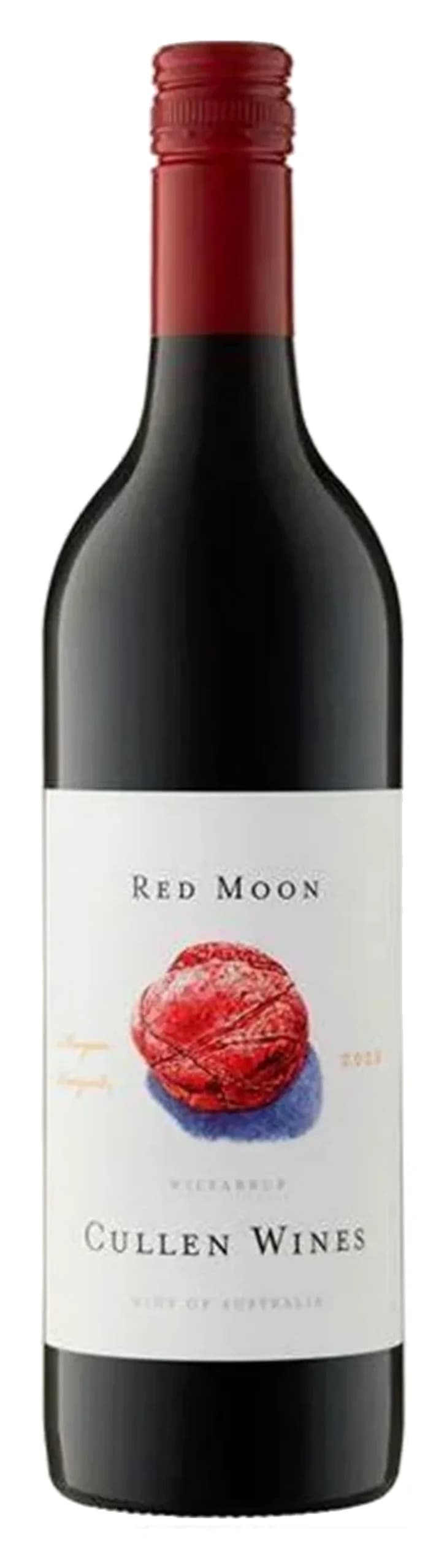
Cullen Wines
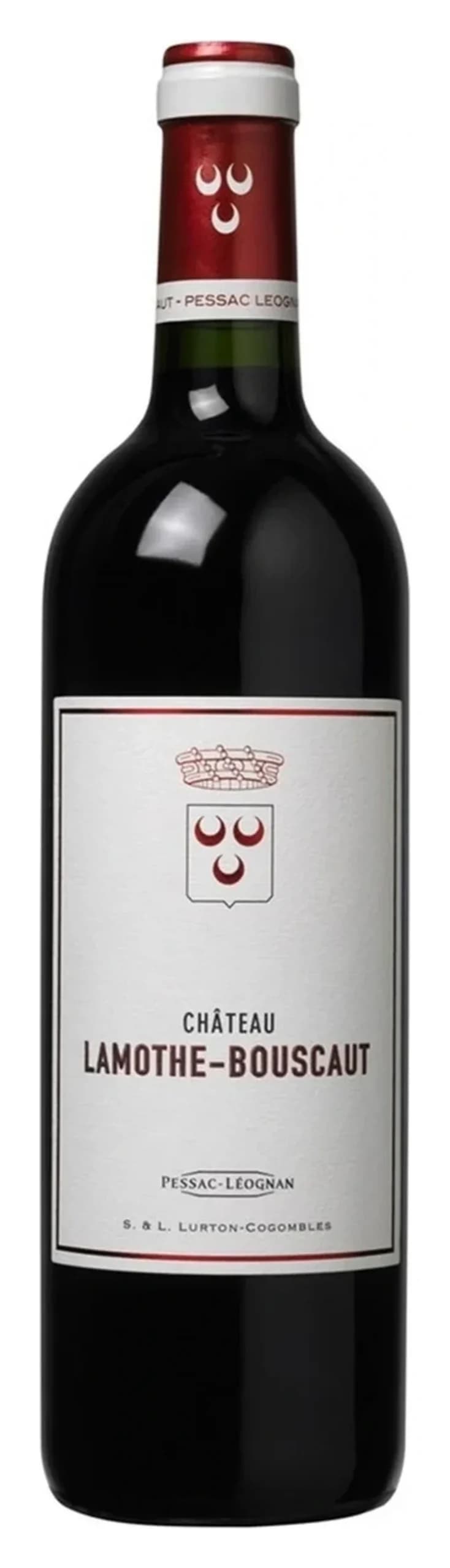
Chateau Bouscaut
Malbec is a dark-skinned grape once anchoring French blends, now celebrated globally for its adaptability across climates and styles. This mid-ripening variety expresses itself as a complete range: from inexpensive, approachable reds to premium, cellar-worthy wines. Argentina has transformed its fortunes, yet cooler-climate versions from France and high-altitude sites reveal an entirely different character.
Malbec's sensory signature pivots on site and harvest timing. In warm conditions with ripe fruit, it delivers deep purple colour, pronounced blackberry and plum aromas, soft tannins, and full body with elevated alcohol. Cooler vineyards and earlier picking shift the palette: lighter colour, fresher red fruits (cherry, raspberry), herbal or floral notes, firmer medium-plus tannins, and brighter acidity. High-altitude sites in particular develop this leaner, more complex profile.
Oak ageing adds vanilla and spice complexity to fuller styles, whilst unoaked or foudre-aged examples preserve fruit purity. The grape's vigour demands careful canopy management; yields influence concentration and tannin intensity dramatically. Low-yield old vines produce densely flavoured, structured wines; high-yielding vineyards yield lighter, earlier-drinking expressions.
Argentina dominates global Malbec, accounting for over 45,000 hectares across Mendoza, San Juan, Patagonia and beyond. Luján de Cuyo and the Uco Valley produce the country's most celebrated examples—the former delivering riper, velvety styles at 690–1,300 m elevation; the latter, at 850–1,990 m, crafting high-acidity, structured wines with red and black fruit complexity. Warmer Maipú yields jammier fruit; cooler southern regions and Patagonia show fresher, tauter characters.
In France, Cahors remains the traditional stronghold, where Malbec (known locally as Cot) comprises at least 70% of AOC blends. These often display violet, plum and herbal notes with medium-plus tannins—quite distinct from Argentina's ripeness. Small French plantings also persist in Bordeaux (Blaye, Bourg, Entre-Deux-Mers) and the Loire. Chile, California, and Australia produce varietal Malbecs in smaller volumes, each interpreting the grape through their own terroir: Chilean versions tend more tannic; Californian examples often feature in Meritage blends.
The Malbec spectrum spans entry-level to super-premium. Inexpensive, fruit-forward bottlings are designed for early drinking—soft, approachable, bursting with ripe plum and blackberry. Mid-priced wines from quality-conscious producers show more structure, oak nuance (if used), and ageing potential of 5–10 years. Premium Argentine Malbecs from low-yielding vineyards or prestigious sites command higher prices and reward 15+ years cellaring; their concentration and tannin architecture evolve into layered, elegant expressions.
Traditional Cahors delivers medium to pronounced tannins with earthy, mineral undertones—a food-friendly alternative to New World bombast. Contemporary producers increasingly craft lighter, more delicate Malbecs, including fresh, fruity rosés. Blends with Bordeaux varieties (Cabernet Sauvignon, Cabernet Franc, Merlot) and Syrah are common, balancing Malbec's richness with complementary structure. Quality ranges from acceptable to outstanding; prices reflect site prestige, vintage maturity, and oak investment.
Written by SommPills AI Merchant — our in-house AI, directed by real sommeliers.