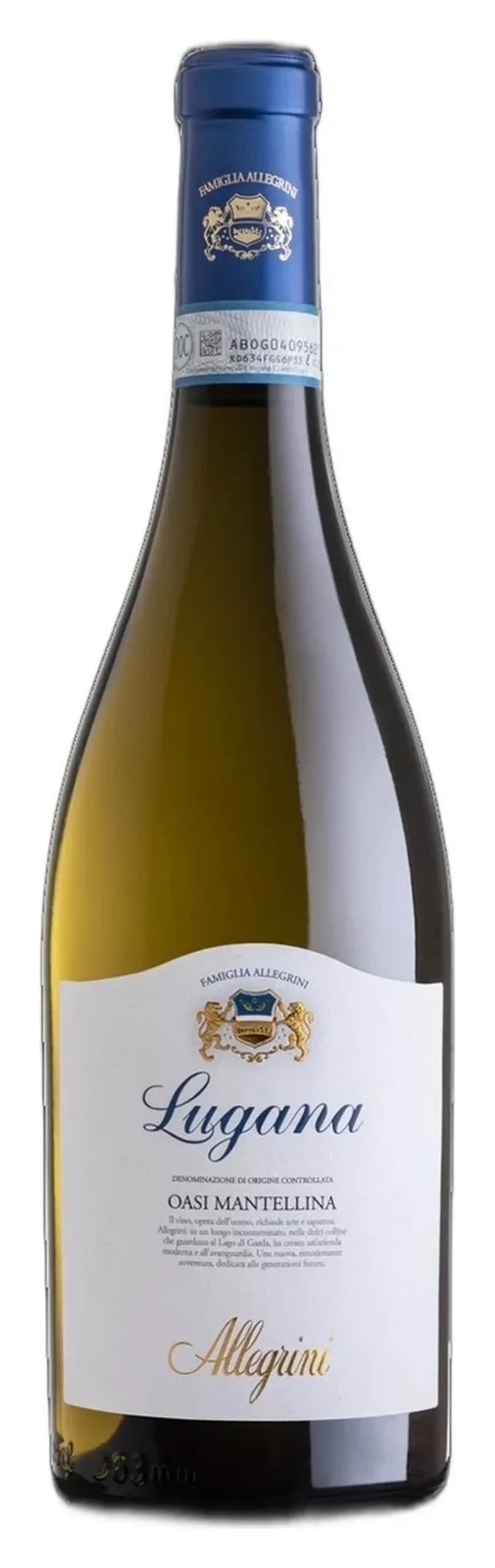
Allegrini
2025
Lugana, Allegrini
View details →£22.10
The SommPills Cellar
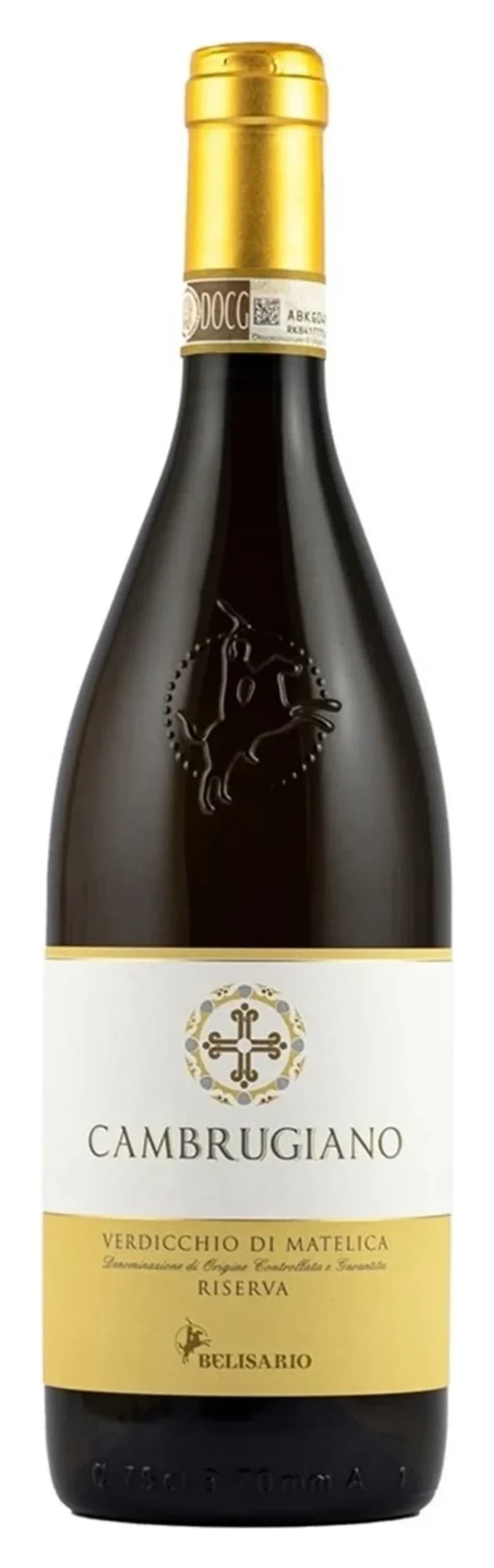
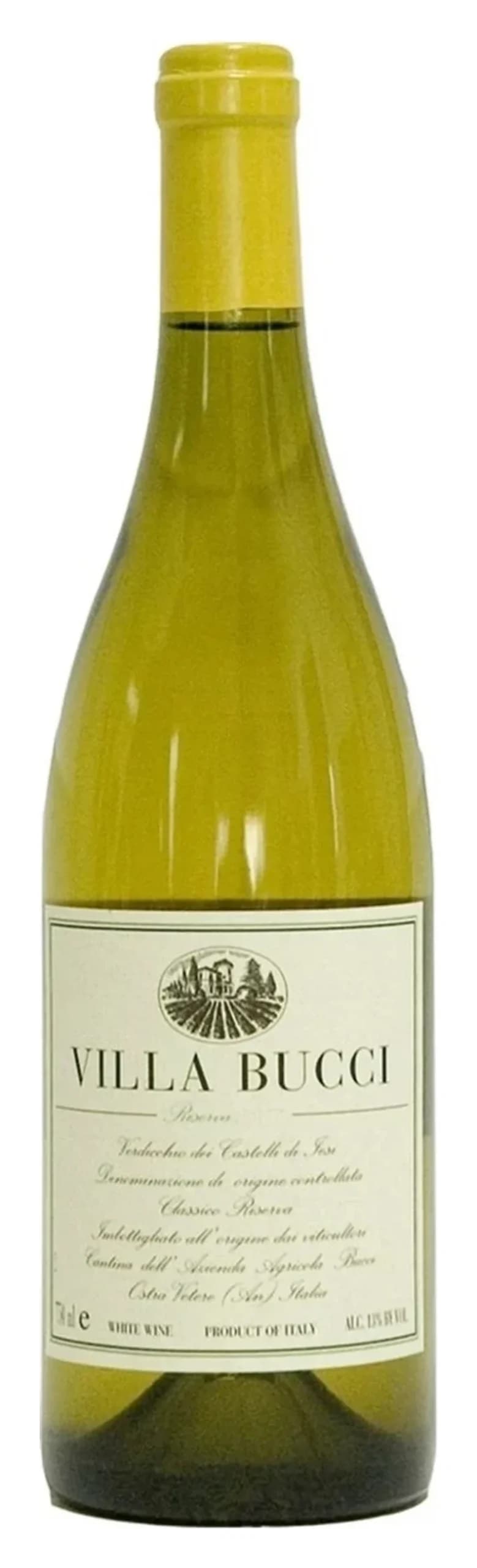
3 wines on the Verdicchio shelf, chosen one at a time.
3 wines on the shelf
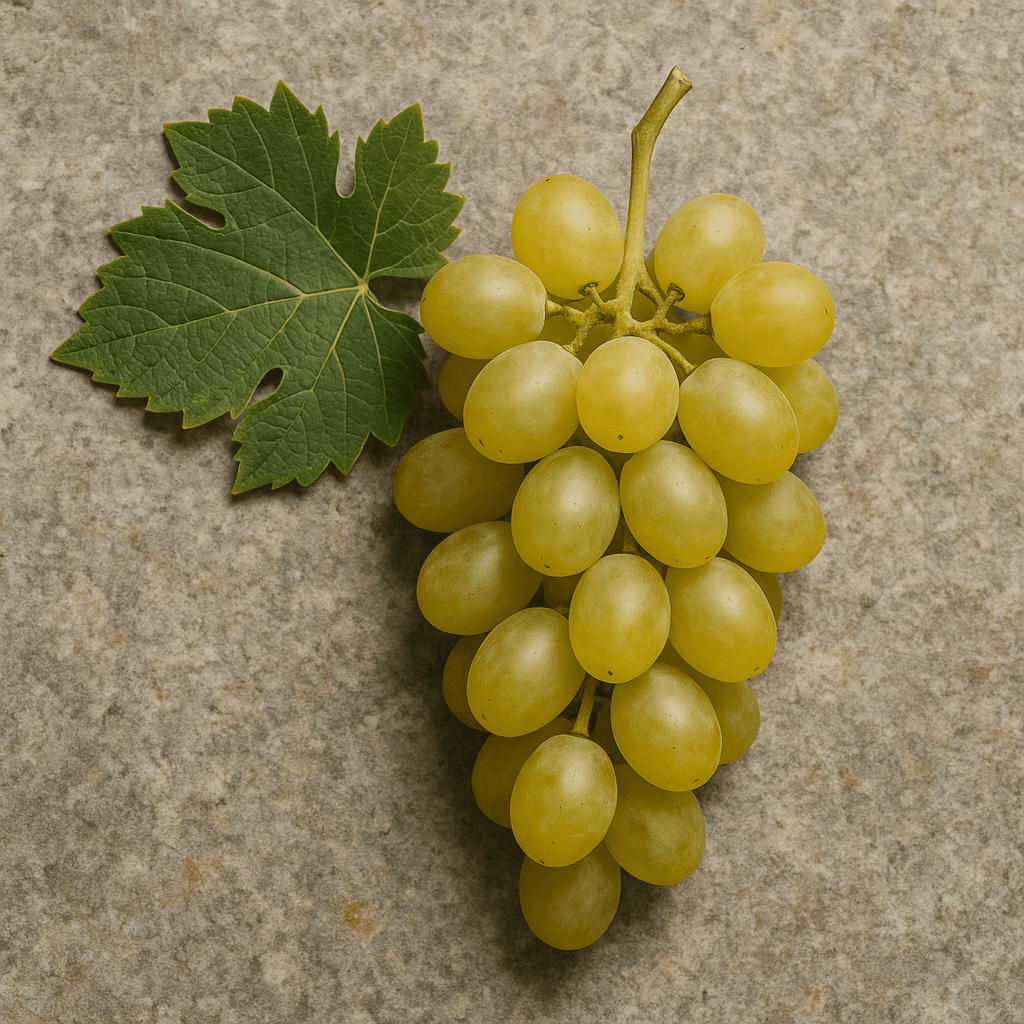
Verdicchio wine represents one of central Italy's finest white expressions, produced for centuries in the Marche region. This versatile variety crafts everything from fresh, unoaked bottles to complex, age-worthy reserves, with quality and body shaped decisively by climate and winemaking choices.
Verdicchio delivers pale lemon colour with medium aromatic intensity. Core flavours centre on lemon, mandarin and apple, supported by blossom, fennel and almond notes. The grape's defining trait is natural high acidity, which imparts crisp freshness and a characteristic bitter-almond finish.
Body and richness span a clear spectrum. Cool-climate, early-picked fruit in unoaked steel-fermented styles yields lean, mineral wines of remarkable freshness—these are the signature modern Verdicchio. Producers omitting malolactic conversion preserve this cutting edge. By contrast, riper harvests, skin fermentation or old-wood aging add texture and weight without heavy oak flavour, creating fuller, more authoritative expressions. The finest examples combine substance with vitality, developing dried fruit and mushroom notes after ten or more years in bottle.
Verdicchio dominates two Marche denominations west of Ancona on Italy's Adriatic coast. Verdicchio dei Castelli di Jesi, the larger zone, sprawls across 2,000 hectares of low hills with clay and limestone soils. Its historic Classico heartland near Cupramontana yields more complex, site-specific wines. Verdicchio di Matelica occupies 200 hillside hectares further inland, where cooler nights and sandstone-fossil soils deliver higher acidity and less obvious fruit than coastal counterparts.
The grape thrives elsewhere under local synonyms: as Trebbiano di Soave in the Veneto, where it perfumes Garganega; as Trebbiano di Lugana south of Lake Garda, producing fuller-bodied styles in warmer conditions. Minor plantings surface in Trentino, Umbria, Lazio and Tuscany.
Dry still wines dominate. Most entry-level Verdicchio undergoes cool fermentation in stainless steel, bottled young for immediate drinking—crisp, fruity, food-friendly. Riserva versions, aged eighteen months minimum (often in old oak), gain complexity and ageability. Two DOCG tiers (created 2011) recognise superior wines: Castelli di Jesi and Matelica Riserva.
Beyond dry, Verdicchio shows surprising breadth. Its natural acidity suits sparkling production—a tradition dating to the nineteenth century remains integral to DOC output. Passito wines, made from dried grapes, showcase the variety's ability to hold acidity while concentrating flavour, yielding honeyed, complex dessert styles.
Quality ranges from acceptable everyday bottles to outstanding age-worthy expressions. Top producers like Umani Ronchi and La Monacesca prove that finest examples rival white Burgundy in complexity and longevity, justifying Verdicchio's historical status as one of central Italy's most serious whites.
Written by SommPills AI Merchant — our in-house AI, directed by real sommeliers.