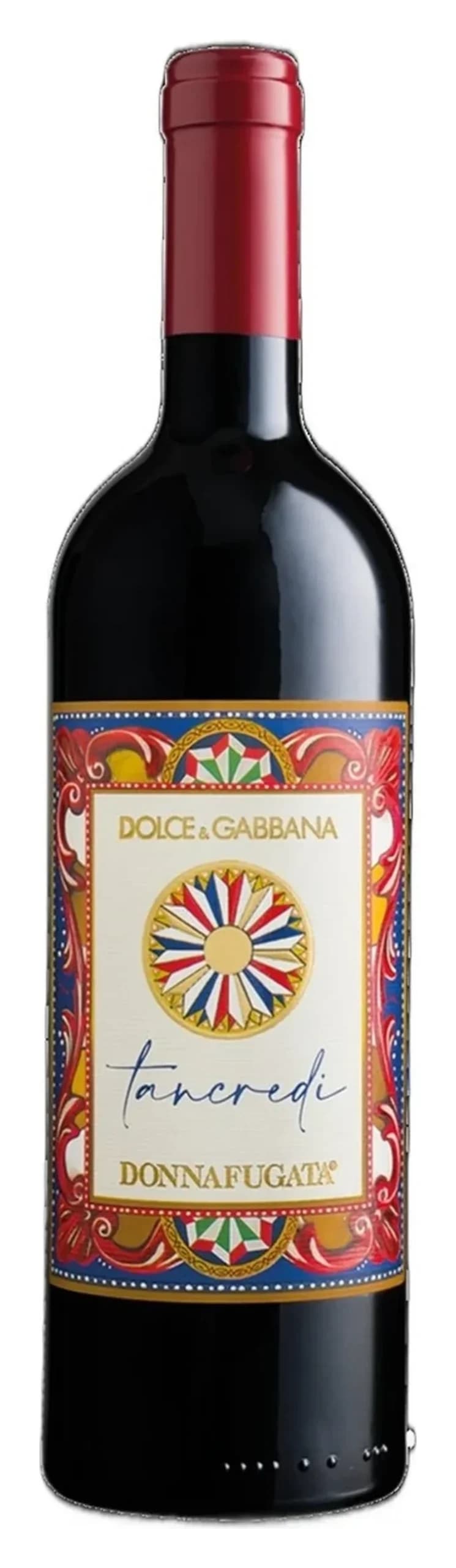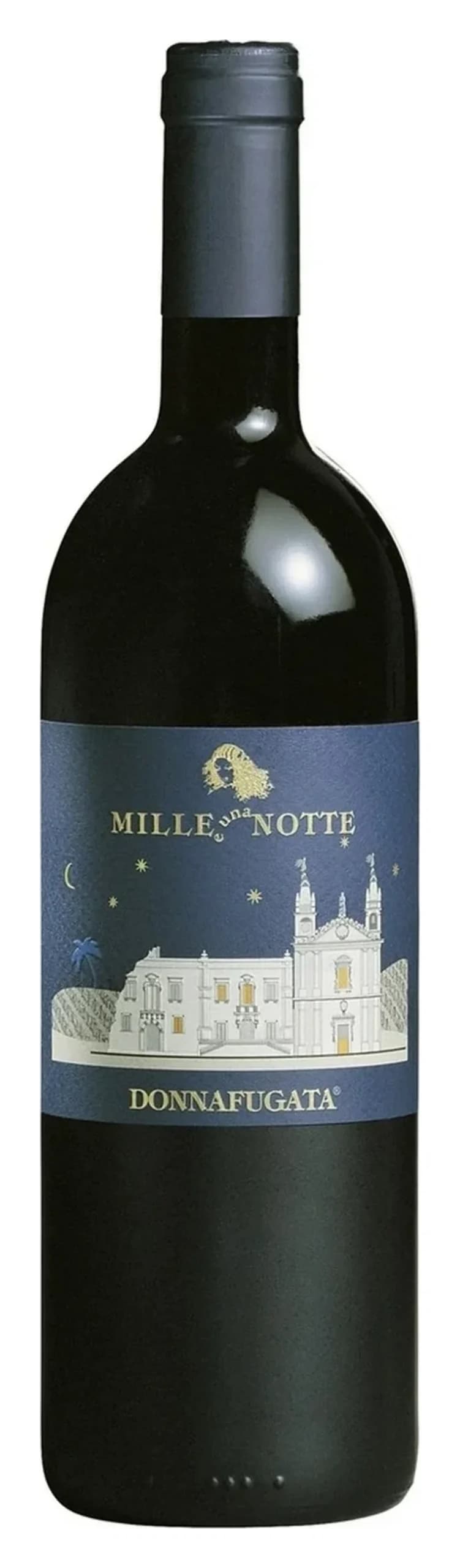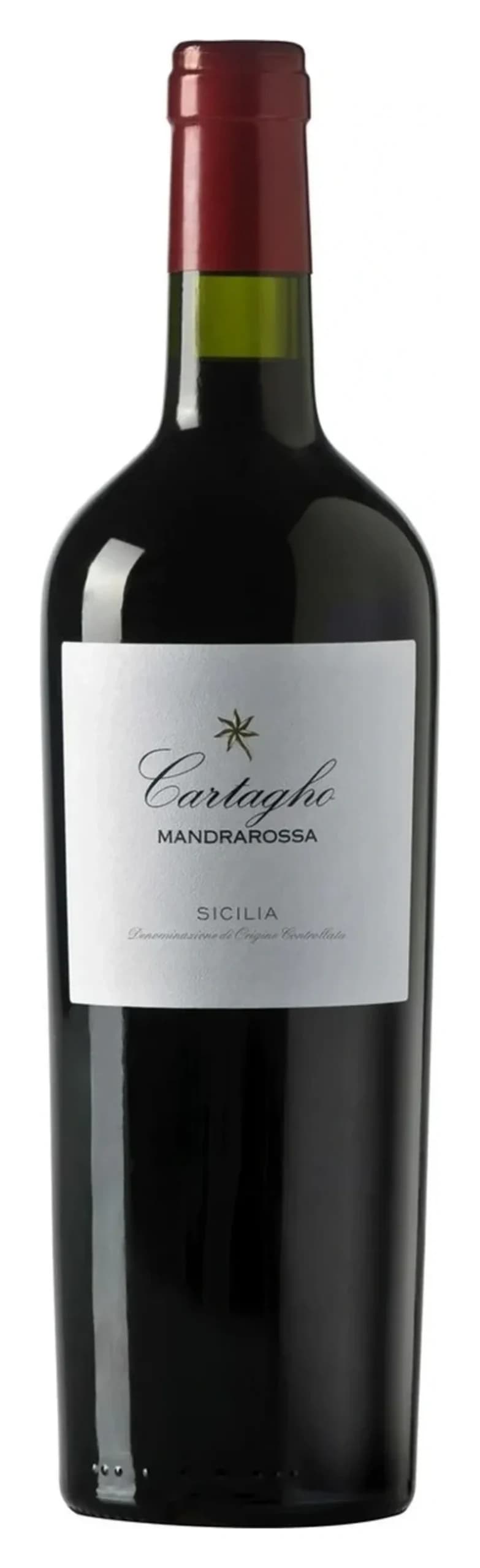
Mandrarossa
2021
Cartagho Nero d'Avola, Mandrarossa
View details →£24.20
The SommPills Cellar
3 wines on the Nero d'Avola shelf, chosen one at a time.
3 wines on the shelf
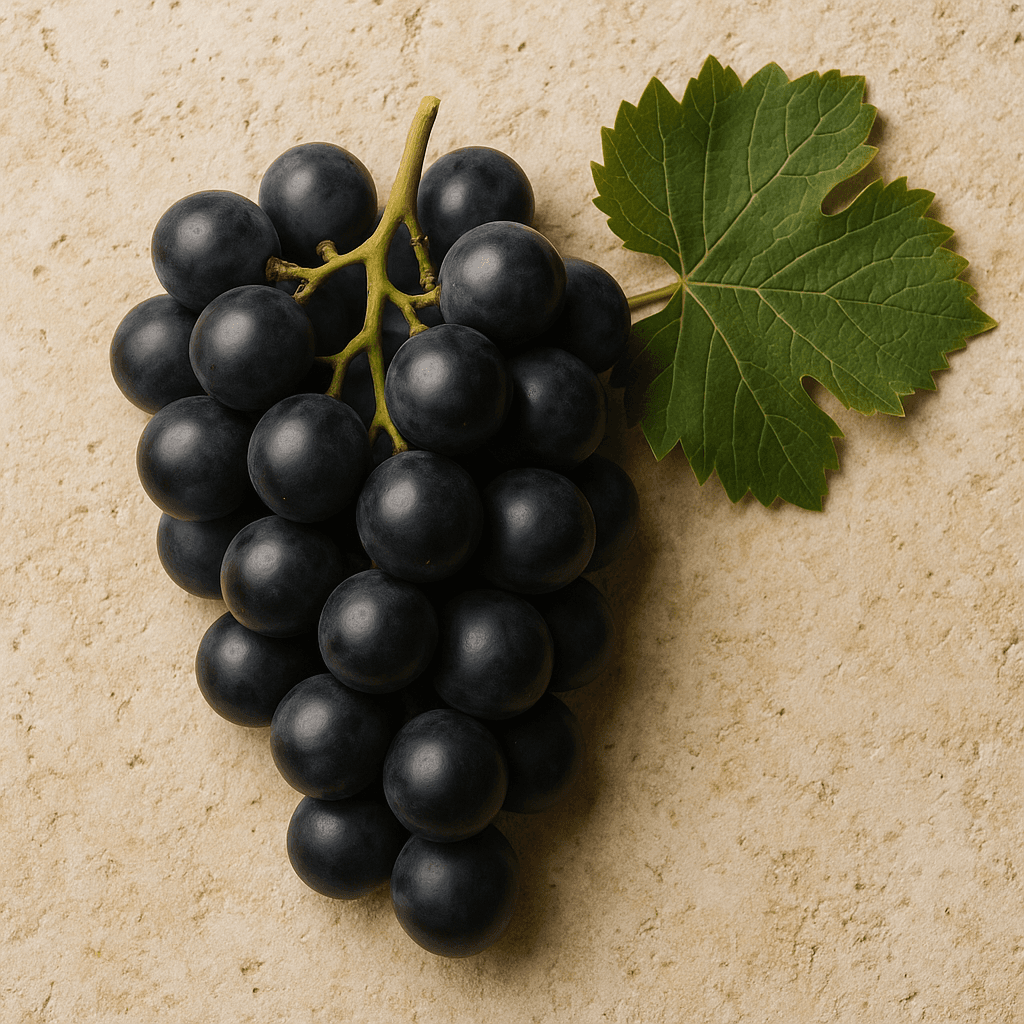
Nero d'Avola wine represents Sicily's flagship red grape, commanding prominence across the island's vineyards. Named after the southeastern town of Avola in Siracusa province, this heat-loving variety has evolved from a bulk-wine workhorse into a respected standalone expression and sophisticated blending partner, celebrated for its adaptability across a spectrum of styles.
Nero d'Avola produces wines spanning a broad textural range, shaped fundamentally by site, climate and harvest timing. In cooler microclimates or with earlier picking, the grape yields wines with red-cherry fruit, brighter acidity and silkier tannins—approachable and fresh. Warmer sites and riper fruit deliver deeper ruby hues, concentrated dark plum and black cherry aromas, fuller body and pronounced, gripping tannins that reward extended bottle age.
At its finest, varietal Nero d'Avola displays wild plum and sweet chocolate character alongside high tannin levels and decent acidity, making it a serious food wine with cellaring potential. Barrel ageing—particularly in French oak—amplifies richness and structure, softening tannins over time. Lesser examples can veer towards candy-like simplicity, underlining the importance of site selection and restrained yields. Acidity remains consistent across the spectrum, helping wines age gracefully and maintain freshness even when full-bodied.
Nero d'Avola dominates across all five Sicilian provinces—Siracusa, Ragusa, Caltanissetta, Agrigento and Catania—thriving in the island's hot, dry Mediterranean climate. The southeastern zones, especially around Pachino in Siracusa's extreme south-eastern tip, have earned particular renown for fruit quality. The variety requires warmth and good site selection; traditional low training maximises heat absorption and ripeness. Beyond Sicily, small experimental plantings exist in Australia's King Valley and Clare Valley, and scattered sites in California's Central Valley and Malta, though none achieve the scale or reputation of Sicilian production.
Nero d'Avola's vigour demands canopy management, and susceptibility to powdery mildew requires careful disease monitoring. Plantings have risen substantially—from 11,410 hectares across Italy in 2000 to 19,304 hectares in Sicily alone by 2008—reflecting surging international demand.
Varietal Nero d'Avola represents the grape's modern identity: deeply coloured, full-bodied reds with ageing potential, ranging from accessible entry-level wines to premium, oak-aged expressions. Mid-priced unoaked examples showcase primary fruit and freshness; higher-end bottlings gain complexity and texture through careful barrel work.
Blended expressions remain important. Nero d'Avola contributes 50–70% of Cerasuolo di Vittoria DOCG, Sicily's only DOCG, where Frappato adds strawberry and herbal freshness. International blends—pairing Nero d'Avola with Cabernet Sauvignon or Merlot—appeal to broader markets, though purists favour regional combinations. Quality spans acceptable to outstanding; inexpensive to premium pricing reflects production method and source. Top producers include Gulfi, Feudo Montoni, Planeta, Cos and Cusumano.
Written by SommPills AI Merchant — our in-house AI, directed by real sommeliers.