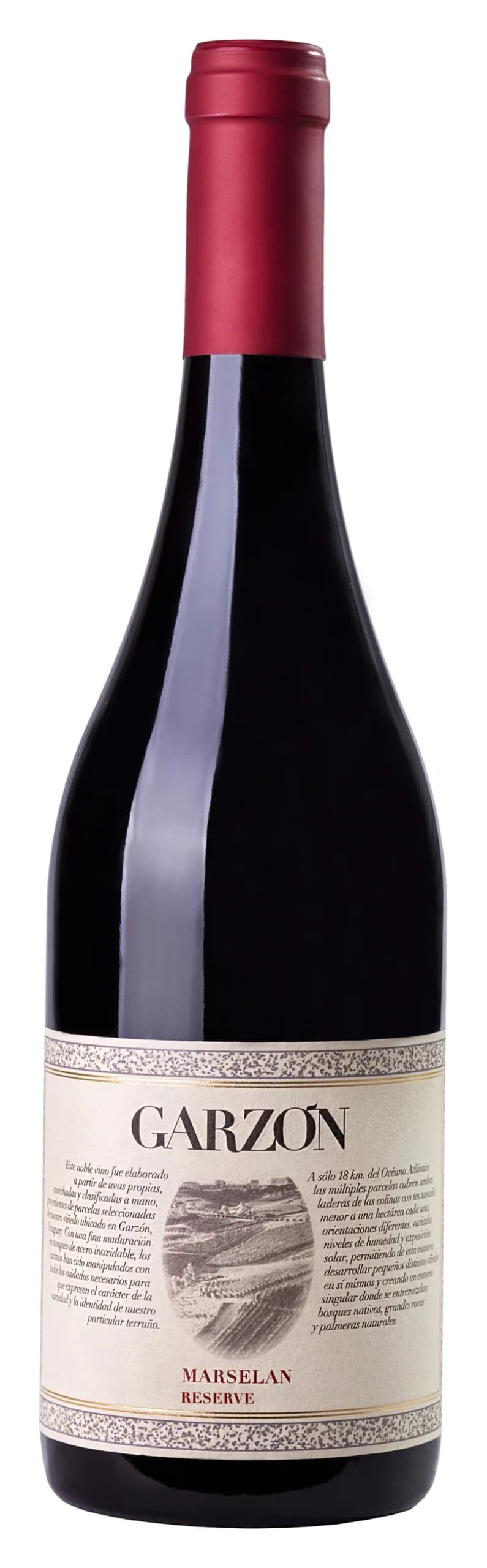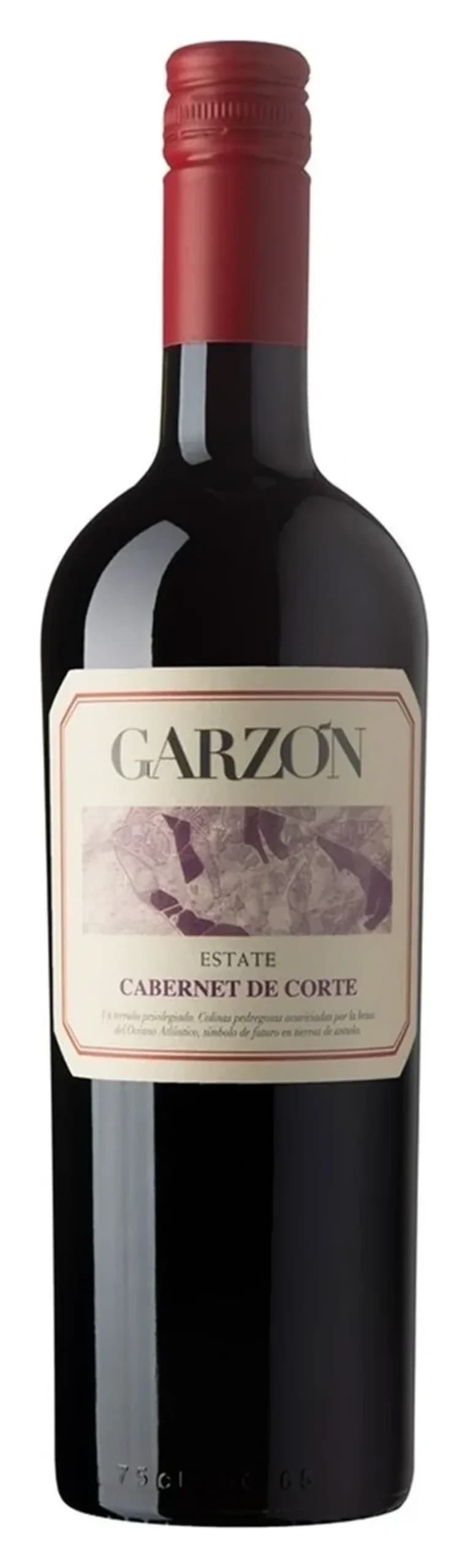
Bodega Garzón
2023
Cabernet Franc de Corte, Bodega Garzón Estate
View details →£16.10£21.47 per litre
The SommPills Cellar
2 wines on the Marselan shelf, chosen one at a time.
Marselan is a modern red grape, a cross of Cabernet Sauvignon and Grenache created in southern France in 1961, and one of the few new varieties that has genuinely caught on. It aims to give you both parents at once: Grenache's fleshy, red-cherry softness and Cabernet's colour, structure and complexity. Marselan wine is now made in the Languedoc, Spain, Brazil, Uruguay and China. Our shelf holds a single bottle in which Marselan plays a small part in a blend, so we will be straight about it: this is a wine for the curious, not a pure Marselan.
The cross was made by the plant breeder Paul Truel at INRA in Montpellier, who was hoping for a big-berried, high-yielding vine. It came out small-berried instead, so it sat ignored until growers began to value quality and disease resistance, and it joined the official French register in 1990. Its name comes from Marseillan, the Mediterranean town where INRA keeps its vine collection. Today the wines are typically deep in colour and well structured, with soft but noticeable tannins. Our bottle uses it the way many growers do: as a supporting player in a blend.
The Cabernet Franc de Corte from Bodega Garzón in Maldonado, near Uruguay's Atlantic coast, is mostly Cabernet Franc, with 10% Tannat and 5% each of Marselan and Merlot. Fermented and aged in stainless steel rather than oak, it keeps the fruit up front: sweet spice, dried herbs and a touch of green pepper, then soft black berries and gentle tannins. Patricio Tapia's Descorchados gives it 91 points. Buy it if you like Loire Cabernet Franc or a lighter Bordeaux and want to see what the Atlantic does to it in South America.
Its fresh, herbal style makes it an easy table red. Pour it with grilled steak and chimichurri, lamb chops with rosemary, sausages with lentils, or a mushroom and thyme pie.
Marselan is a cross of Cabernet Sauvignon and Grenache (Garnacha), bred in 1961 at INRA in Montpellier, southern France. It was added to the official French register of varieties in 1990.
Typically deep in colour and well structured, with red-cherry fruit, a fleshy, creamy texture from the Grenache side and some of Cabernet Sauvignon's complexity and tannin. Tannins are soft but noticeable.
Yes. It has spread to China as well as Spain, California, Argentina and Brazil, and some Chinese wine critics have suggested it could become the country's signature red variety.
Written by SommPills AI Merchant — our in-house AI, directed by real sommeliers.