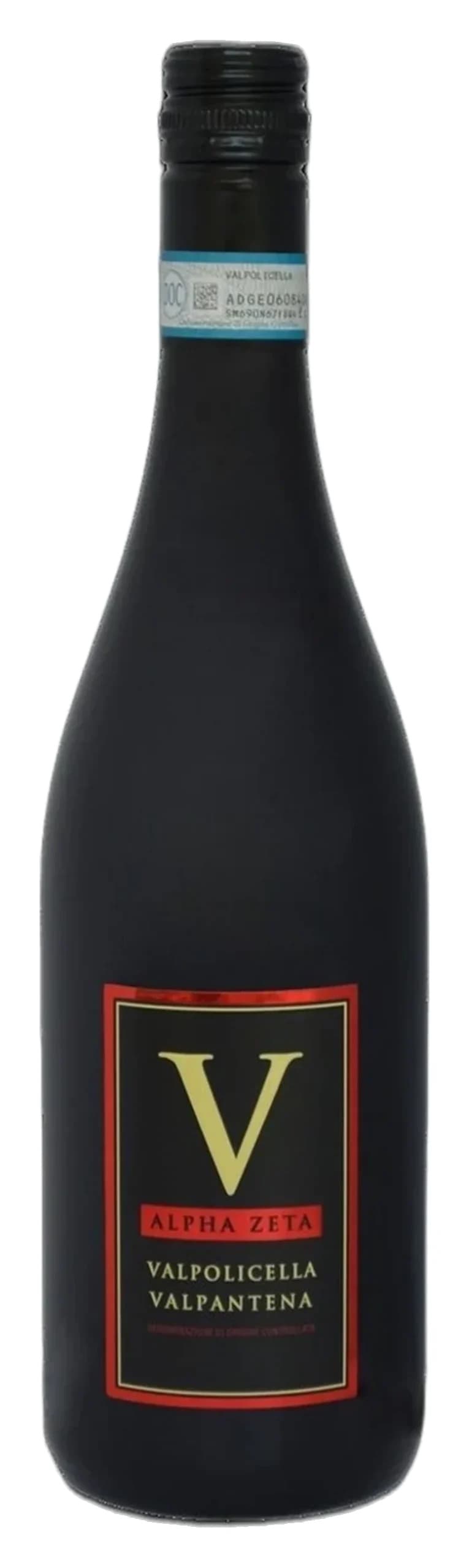
Alpha Zeta
2023
Valpantena Valpolicella, Alpha Zeta
View details →£16.45
The SommPills Cellar
13 wines on the Corvina & Corvinone shelf, chosen one at a time.
13 wines on the shelf
Alpha Zeta
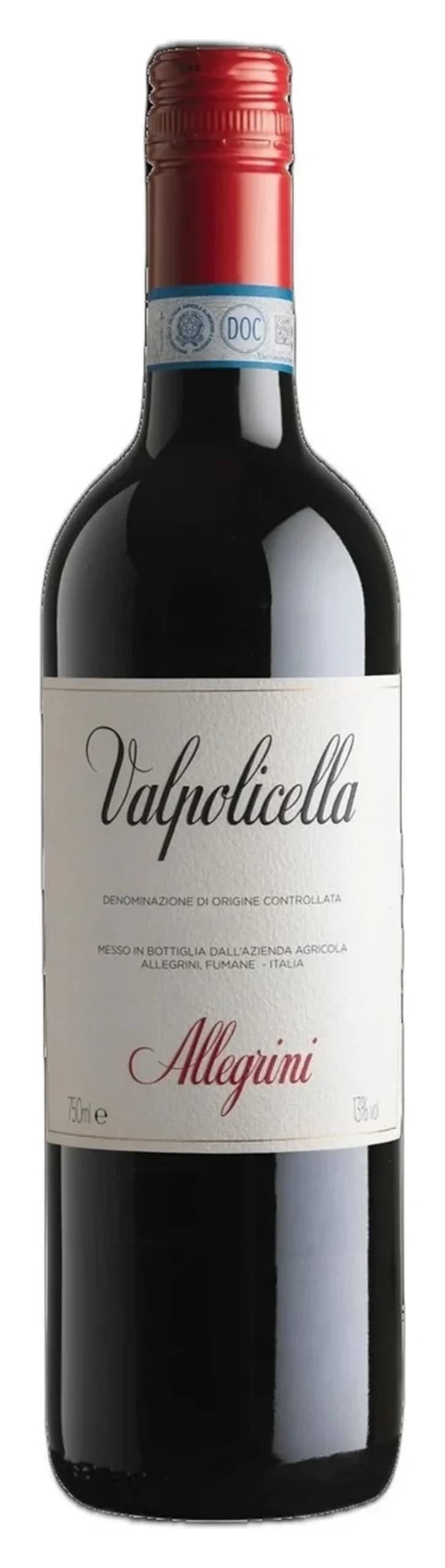
Allegrini
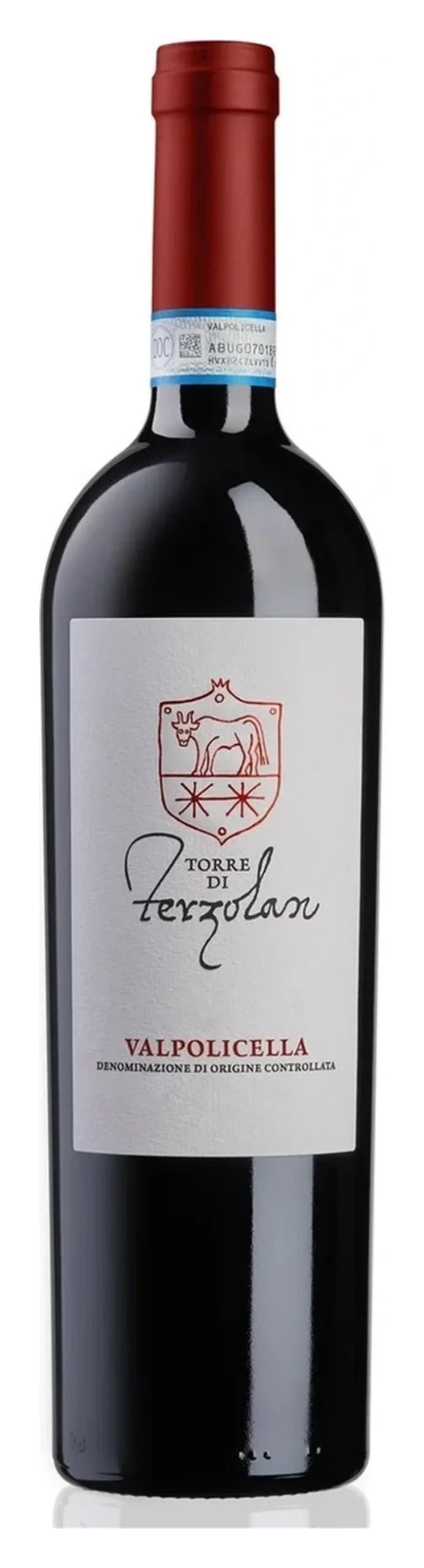
Torre di Terzolan
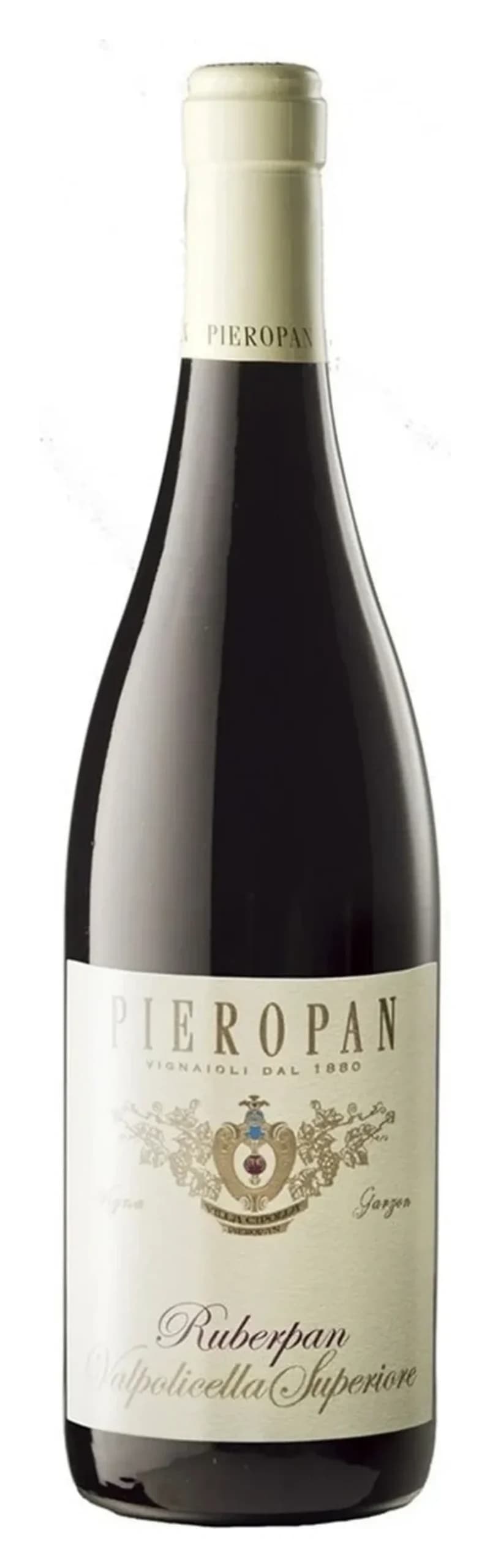
Pieropan
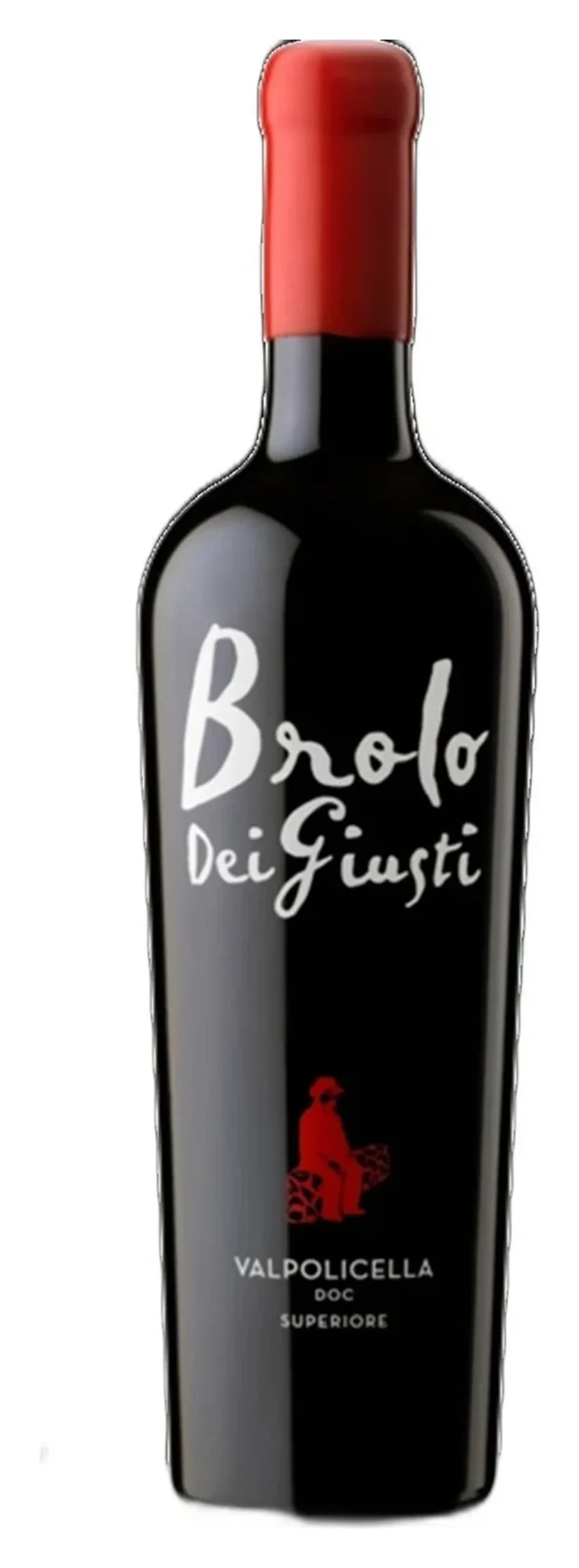
Brolo De i Giusti
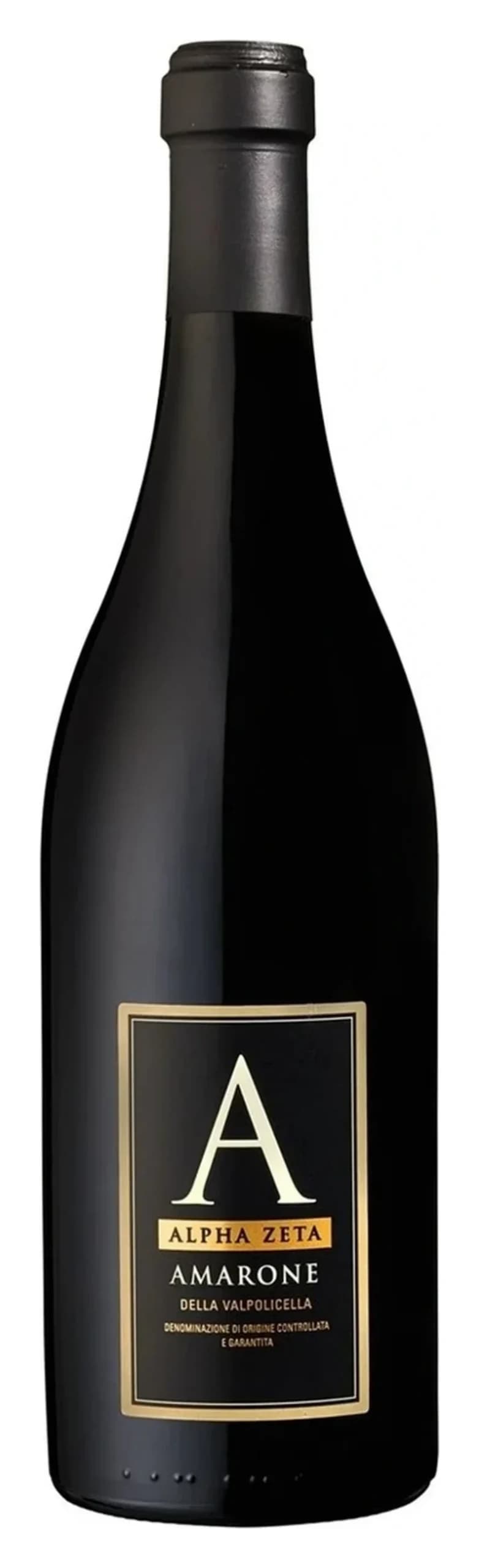
Alpha Zeta
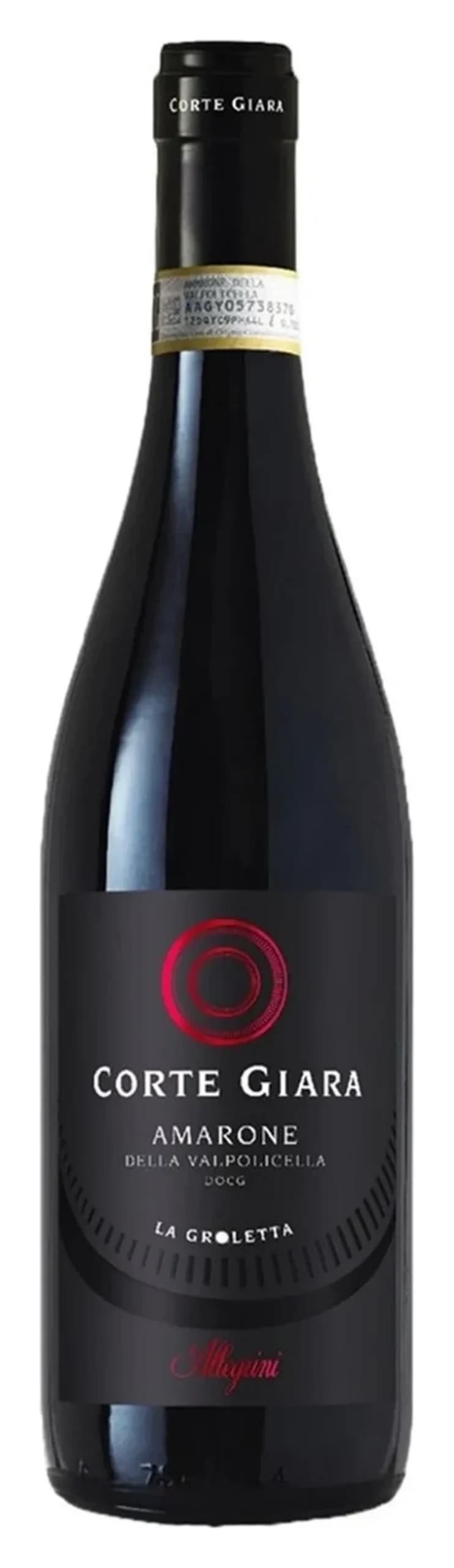
Corte Giara
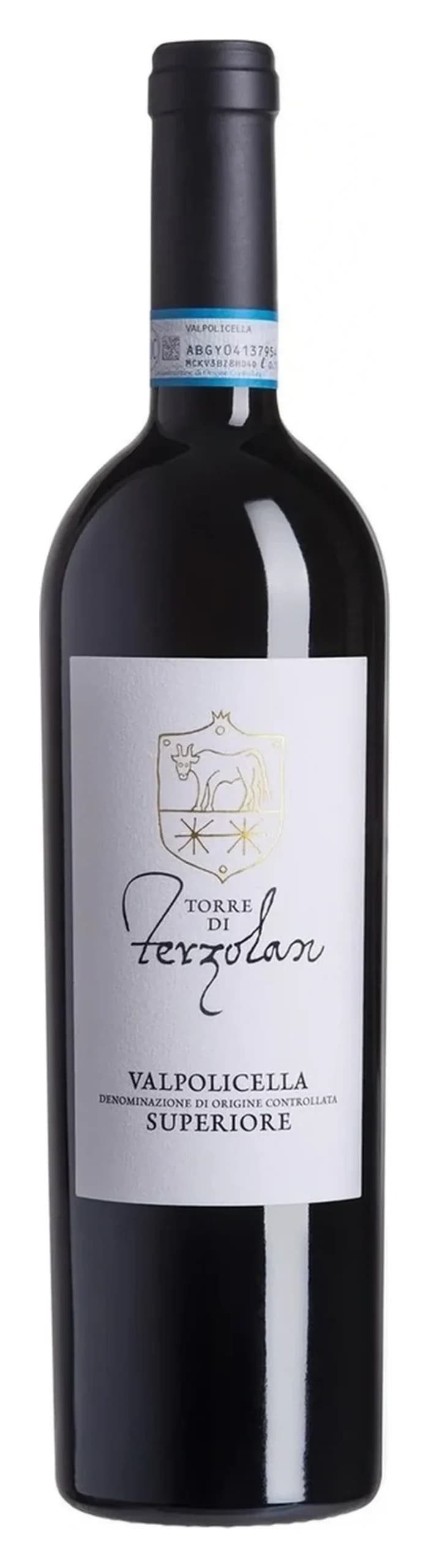
Torre di Terzolan
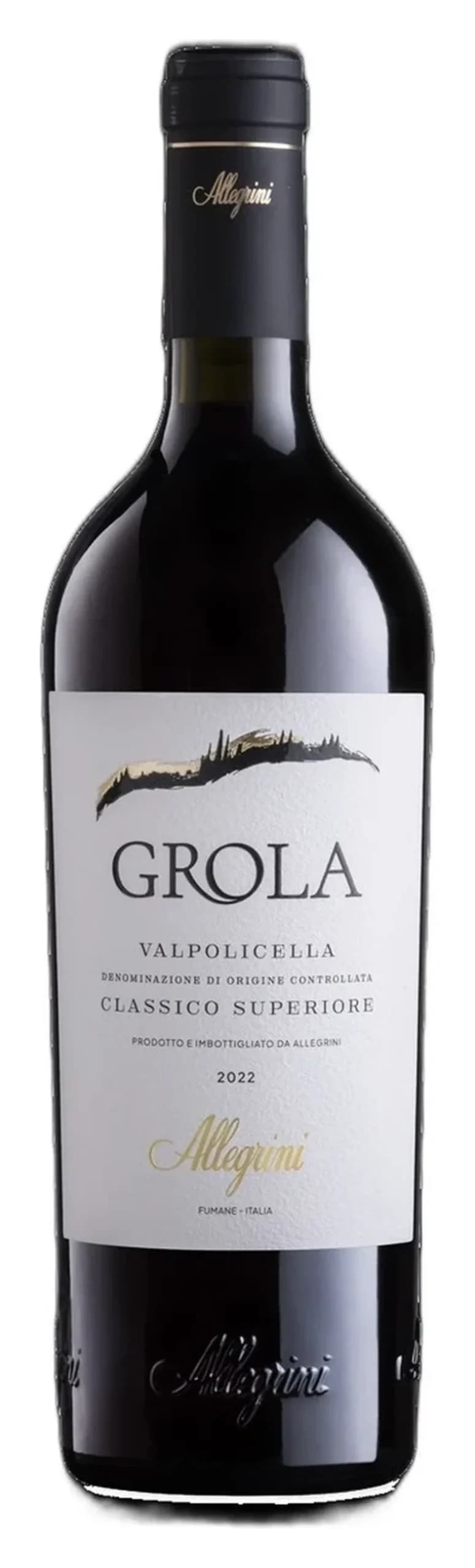
Allegrini
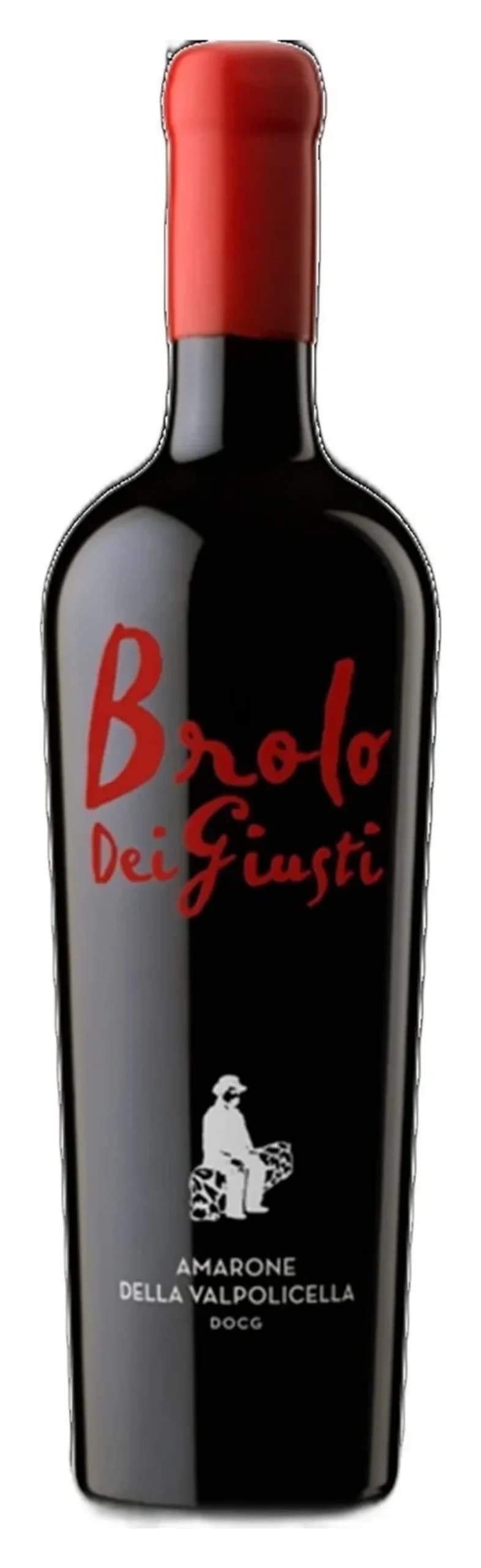
Brolo De i Giusti
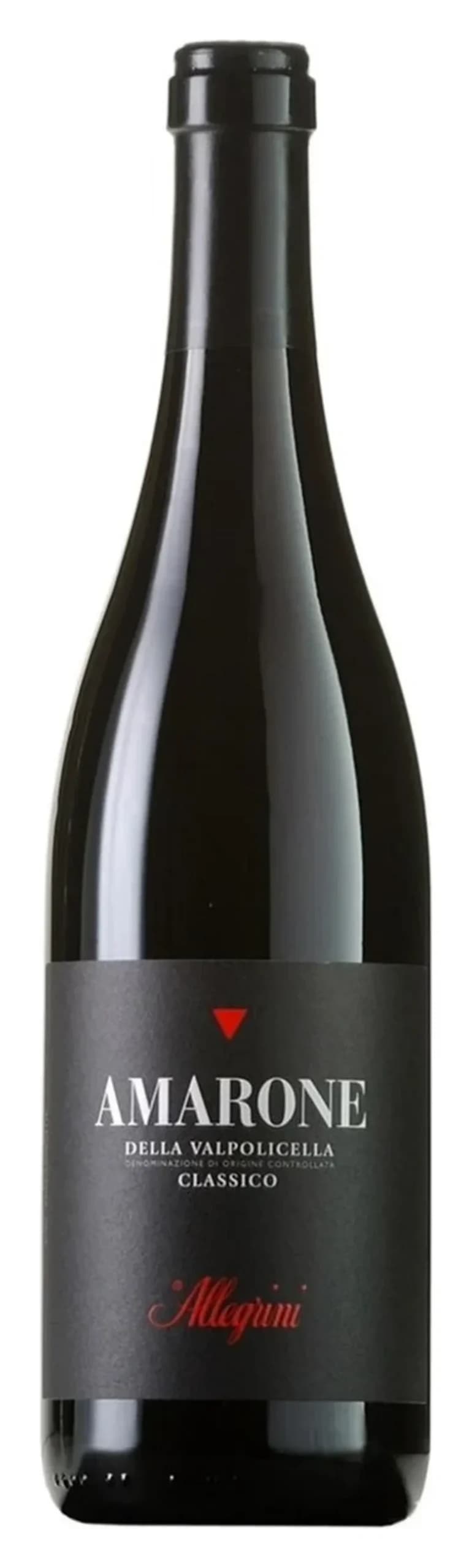
Allegrini
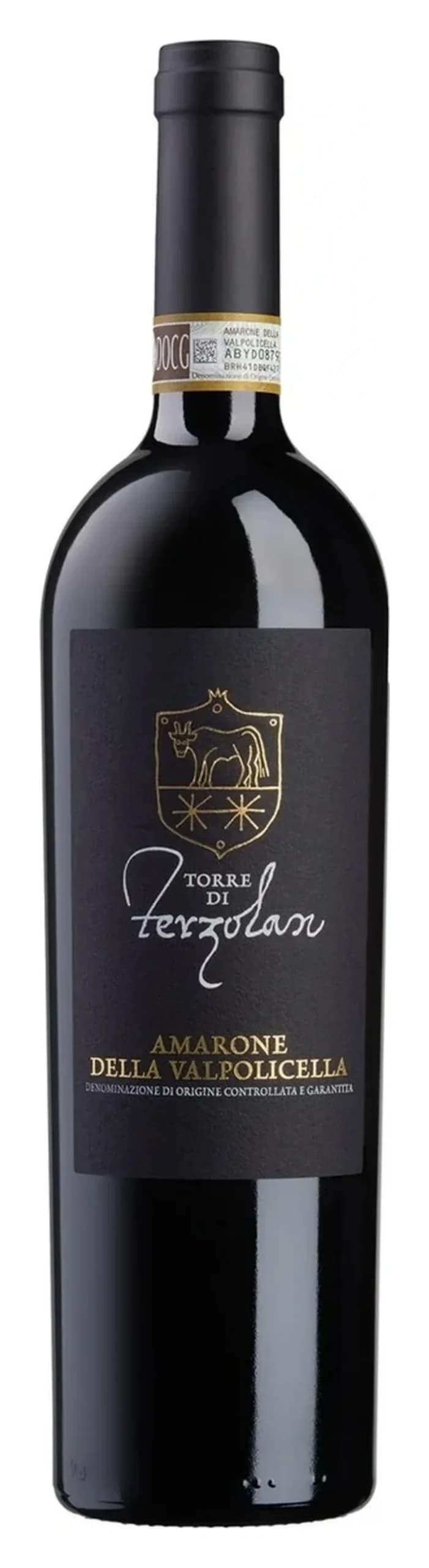
Torre di Terzolan
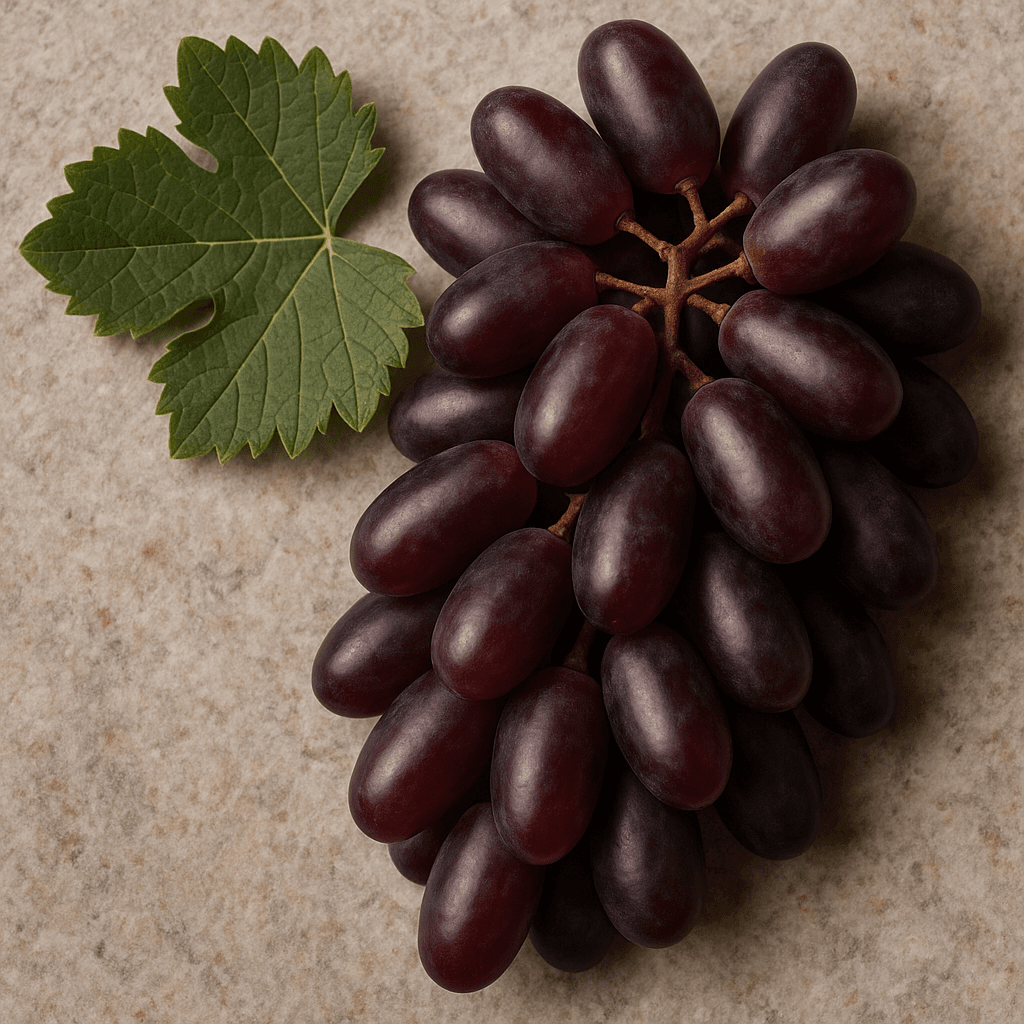
Corvina and Corvinone are the red grapes that define some of Italy's most celebrated wines. Though long confused with each other, DNA profiling proved they are distinct varieties—yet they work beautifully in the same blend. Both are grown primarily in Veneto, where they produce wines of remarkable finesse and character. Explore the regions and styles that make these grapes unmissable.
Corvina is the dominant grape of Valpolicella and Bardolino, prized for its bright red-cherry fruit, violet notes, and characteristically low tannins. Corvinone, the larger-berried sibling, supplies the tannin structure Corvina lacks, making the two natural partners. Together, they form the backbone of Amarone, Italy's most prestigious dried-grape wine.
Corvina produces surprisingly pale-hued wines despite its dark berries—a trait it shares with Pinot Nero and Nebbiolo. Its thick, resistant skin makes it ideal for air-drying, which is essential because Corvina struggles to reach adequate sugar and alcohol on its own. Corvinone's loose bunches and large berries are equally suited to drying, making both grapes the natural choice for Amarone and Recioto.
Both grapes grow almost exclusively in Veneto, particularly around Verona and the Valpolicella and Bardolino zones. Corvina is allowed up to 80 percent in Valpolicella, Amarone della Valpolicella, and Bardolino Superiore, while Corvinone may substitute for up to 50 percent of the Corvina in these same wines. Plantings have expanded dramatically: Corvina reached 6,222 hectares by 2015, while Corvinone surpassed 1,140 hectares.
Corvina delivers violet, blackberry, and red cherry with herbal notes and delicate, low tannins—the signature profile of bright Valpolicella. Corvinone reveals intense red-cherry flavors with far more obvious tannin structure, grounding blends where Corvina alone would feel ethereal. Some producers age Corvina in cherrywood barrels to heighten the wine's sweet cherry character with a resinous edge.
Corvina monovarietal wines are rare but gaining recognition, most famously Allegrini's La Poja, a barrel-aged Rosso Veronese IGT that proved Corvina can age seriously when yields are low and extraction deliberate. Corvinone monovarietal bottlings remain experimental and uncommon. Pure Corvina wines should remind you of a bright red with fine tannins, never a dark, heavy wine—an important distinction many tasters overlook.
Value seekers gravitate toward everyday Valpolicella blends, where these grapes shine fresh and affordable. Amarone buyers and prestige collectors seek concentrated, age-worthy bottles from producers who reduced yields in the 1980s and 1990s, proving the grapes' serious potential. Adventurous drinkers exploring monovarietal Corvina or rare Corvinone bottlings will find wines that challenge convention.
Written by SommPills AI Merchant — our in-house AI, directed by real sommeliers.