Bodegas Gallegas
2025
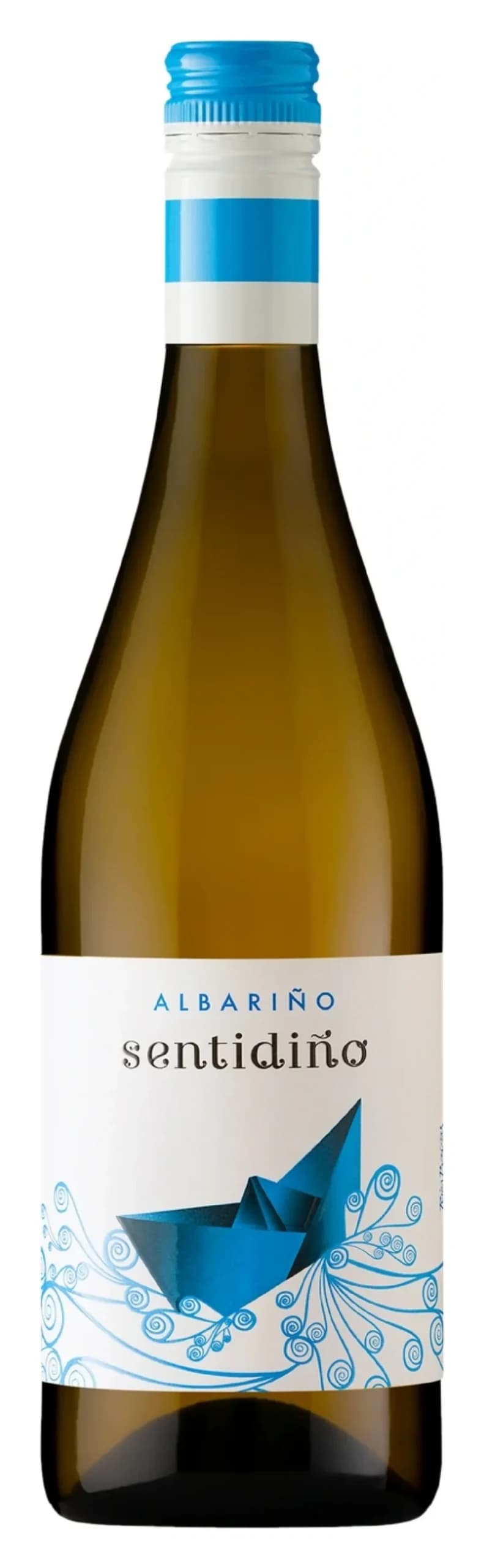
Sentidiño Rías Baixas Albariño, Bodegas Gallegas
View details →£18.55
The SommPills Cellar
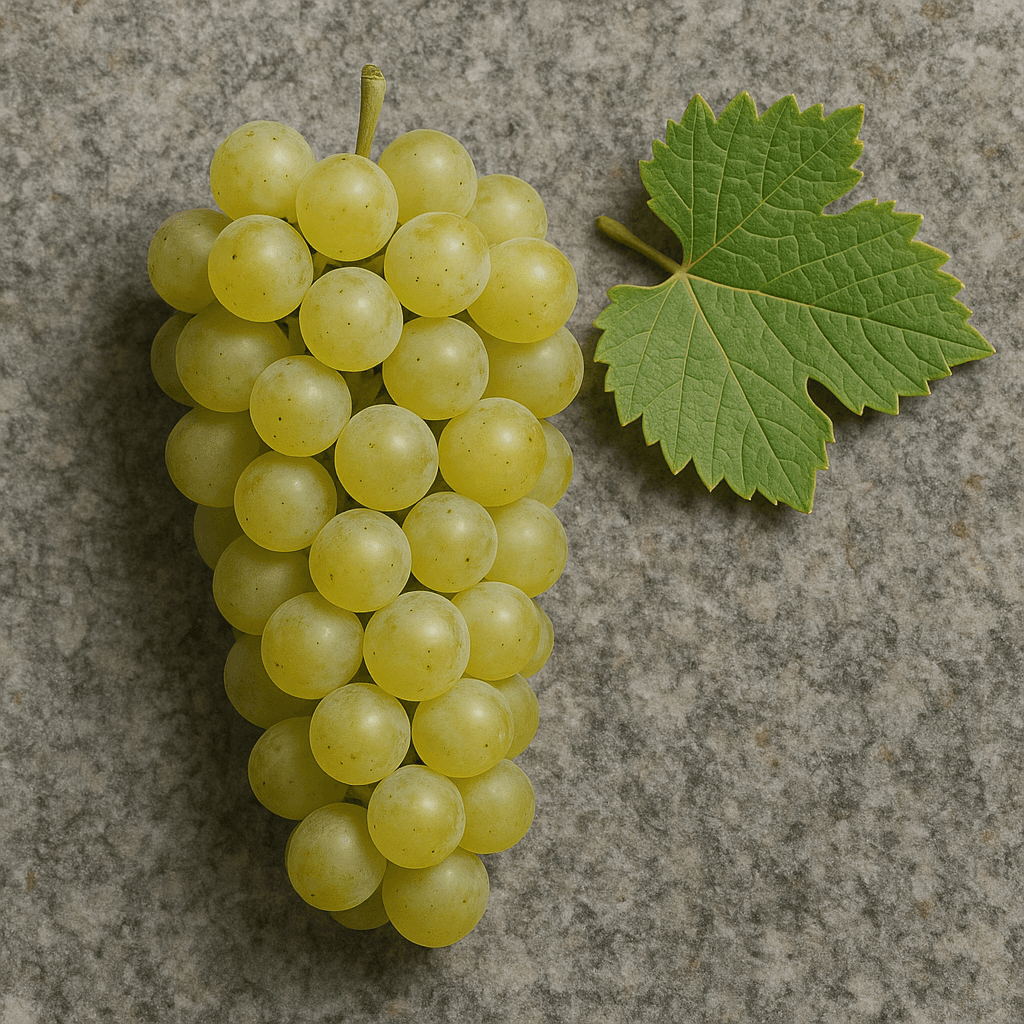
7 wines on the Albariño & Alvarinho shelf, chosen one at a time.
7 wines on the shelf
Bodegas Gallegas
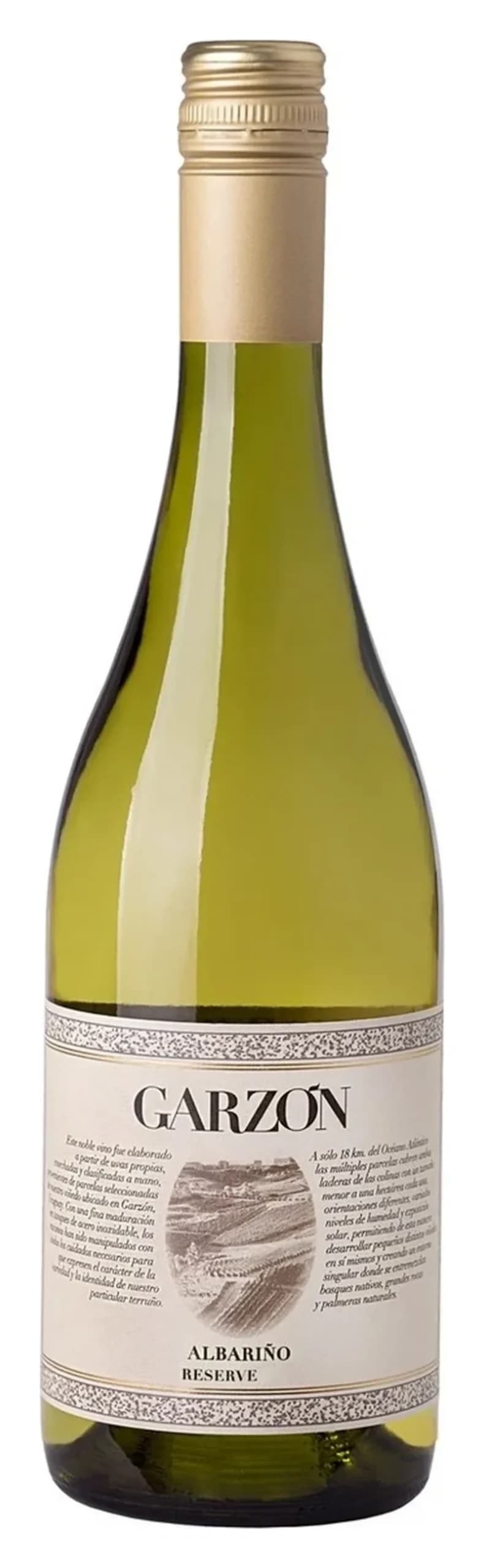
Bodega Garzon
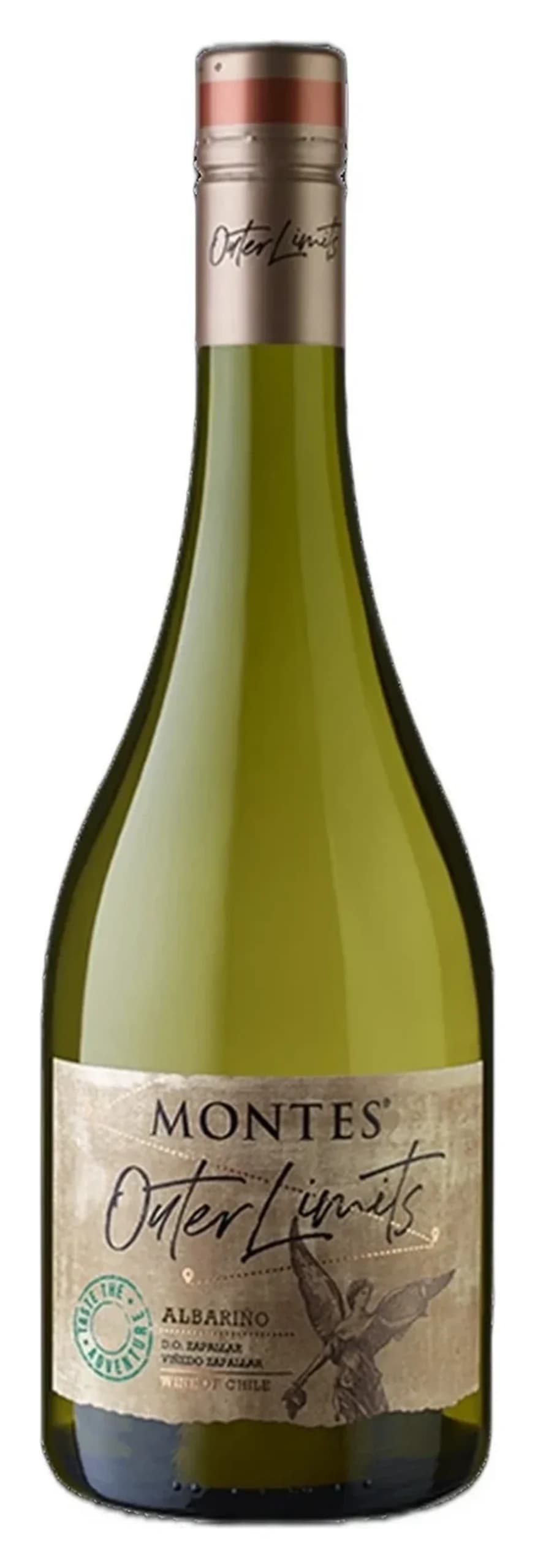
Outer Limits
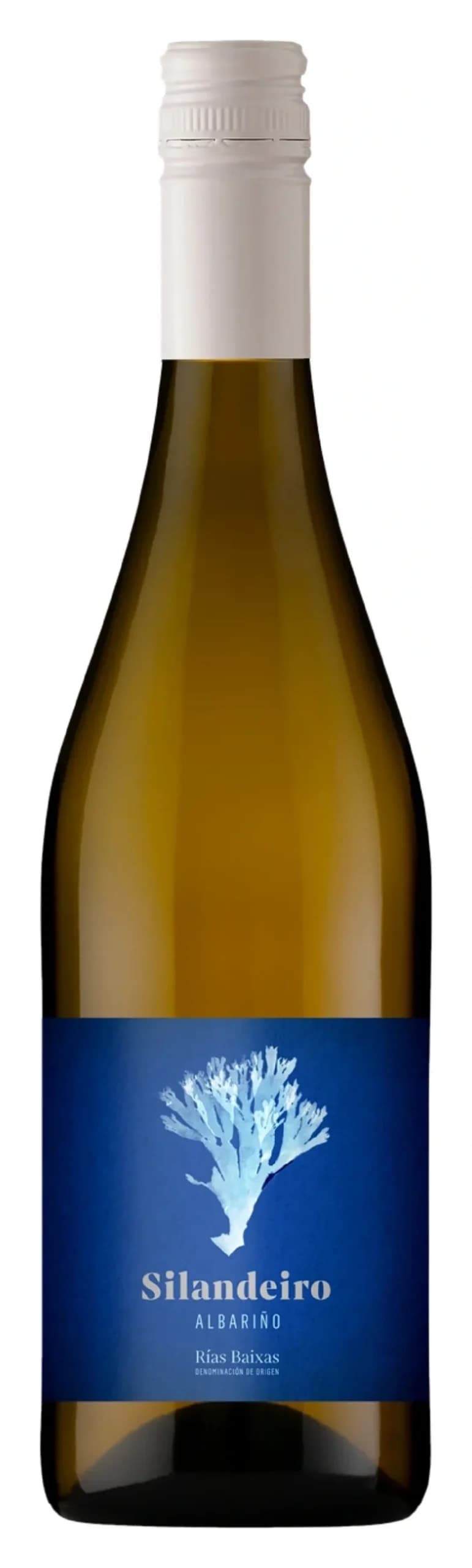
Bodegas Gallegas
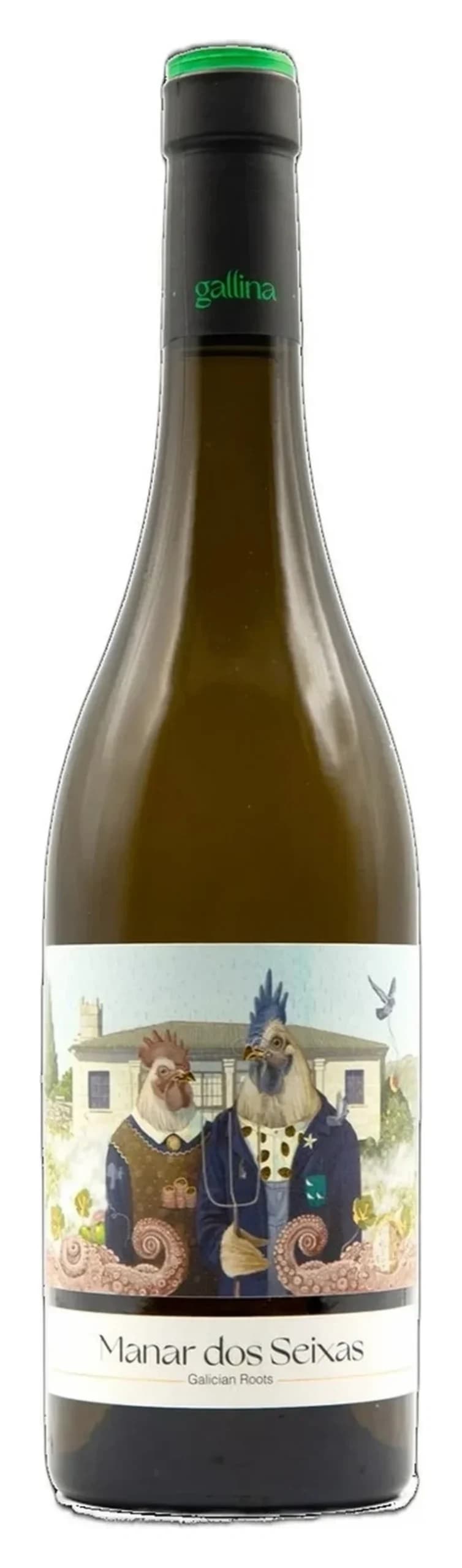
Gallina De Piel Wines
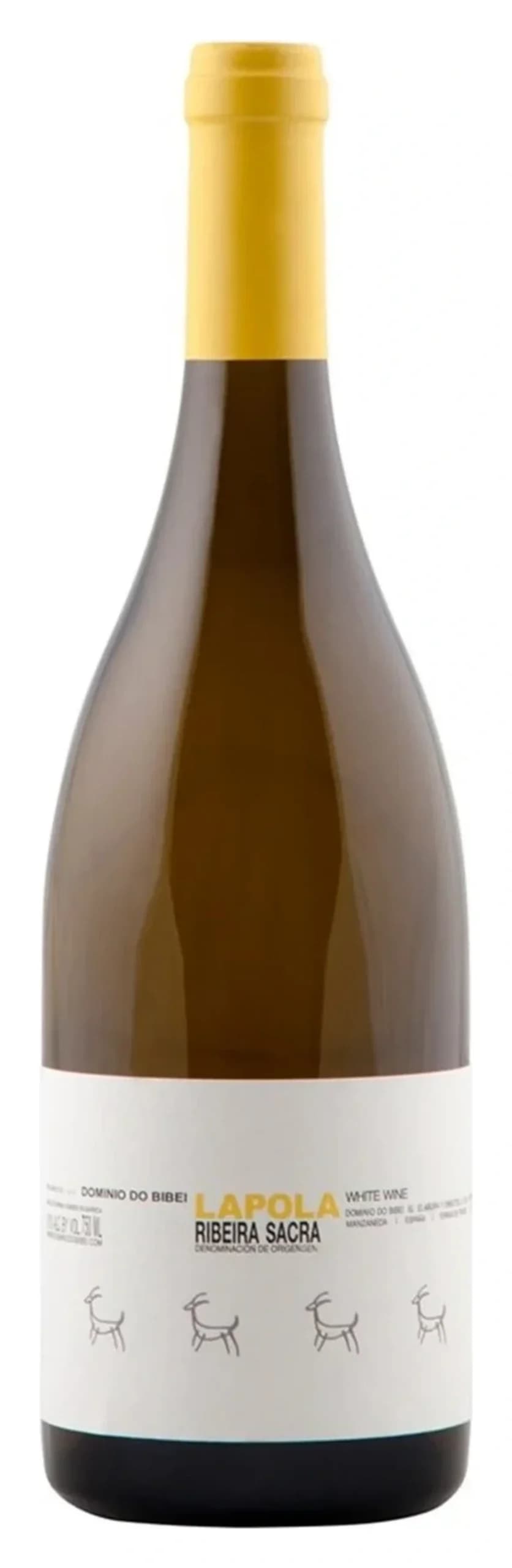
Dominio do Bibei
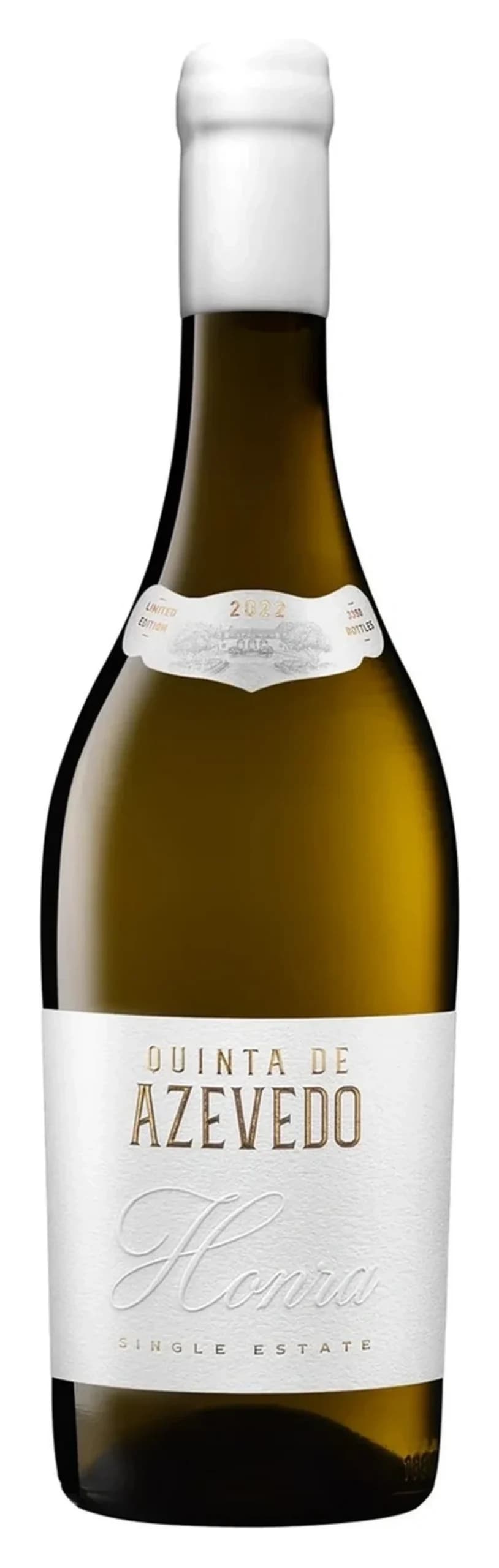
Sogrape Vinhos
Albariño & alvarinho are the same distinctive white grape known by different names across the Spanish–Portuguese border. These high-quality, aromatic varieties thrive in the cool, damp maritime climate of north-west Iberia, producing wines celebrated for their freshness, minerality and seafood compatibility.
Albariño & alvarinho display a compelling spectrum driven by site and winemaking. Core aromas and flavours include lemon, grapefruit, peach, and often floral notes—orange blossom, linden, acacia and honeysuckle feature in premium expressions. Wines are defined by their bright, refreshing acidity and a marine or saline minerality that makes them natural partners for seafood.
Body ranges from medium to medium-full, shaped by climate and ripeness. In cool coastal zones like Rías Baixas' Val do Salnés, wines remain lean and zesty, with alcohol often 11–12% abv. Inland or in warmer sites such as Monção e Melgaço in Portugal, grapes ripen more fully, yielding riper fruit, slightly lower acidity and alcohol reaching 12–13% abv. Thick-skinned berries and careful viticulture allow these grapes to retain freshness even when ripe. Oak-matured examples—still relatively rare—gain texture and toasty complexity whilst preserving the variety's signature acidity.
The heartland is Rías Baixas in Galicia, north-west Spain, where albariño dominates 96% of plantings across five subzones. Val do Salnés, the oldest and coolest area on the Atlantic coast, produces the highest-acid, most mineral wines. O Rosal and Condado do Tea, inland and warmer, yield riper, more fruit-forward styles. Across the Miño river in Portugal, alvarinho thrives in Monção e Melgaço, where granitic soils and a relatively sheltered climate produce more muscular, fruity wines than their Spanish neighbours, yet retaining impressive freshness.
Both regions share granite-based soils, Atlantic influence and high rainfall (1,300–1,700 mm annually). These conditions favour the grape's thick-skinned resilience against fungal disease. Albariño & alvarinho have expanded globally—California, Oregon, Washington, Australia, New Zealand and Uruguay all now grow the variety, though European examples remain most revered.
Most albariño & alvarinho wines are unoaked, dry whites fermented in stainless steel to preserve aromatic intensity and freshness. These represent the classic style: fragrant, intensely fruity, with natural alcohol above 12% abv and mouth-watering acidity. Quality ranges from good to outstanding; prices span inexpensive to premium, though high demand in Rías Baixas has pushed top bottlings into premium territory.
A growing minority are barrel-fermented or oak-aged, developing richer texture and subtle spice alongside retained acidity. In Portugal's Monção e Melgaço, producers experiment with oak, chestnut and clay vessels, and with late-harvest and sparkling styles. Legislation permits single-varietal labelling only from Monção e Melgaço; elsewhere in Vinho Verde, alvarinho must comprise at least 30% of a blend to appear on the label. These wines age better than most light-skinned Spanish whites, evolving in complexity over several years in bottle.
Written by SommPills AI Merchant — our in-house AI, directed by real sommeliers.