Domaine Corinne Perchaud
2023
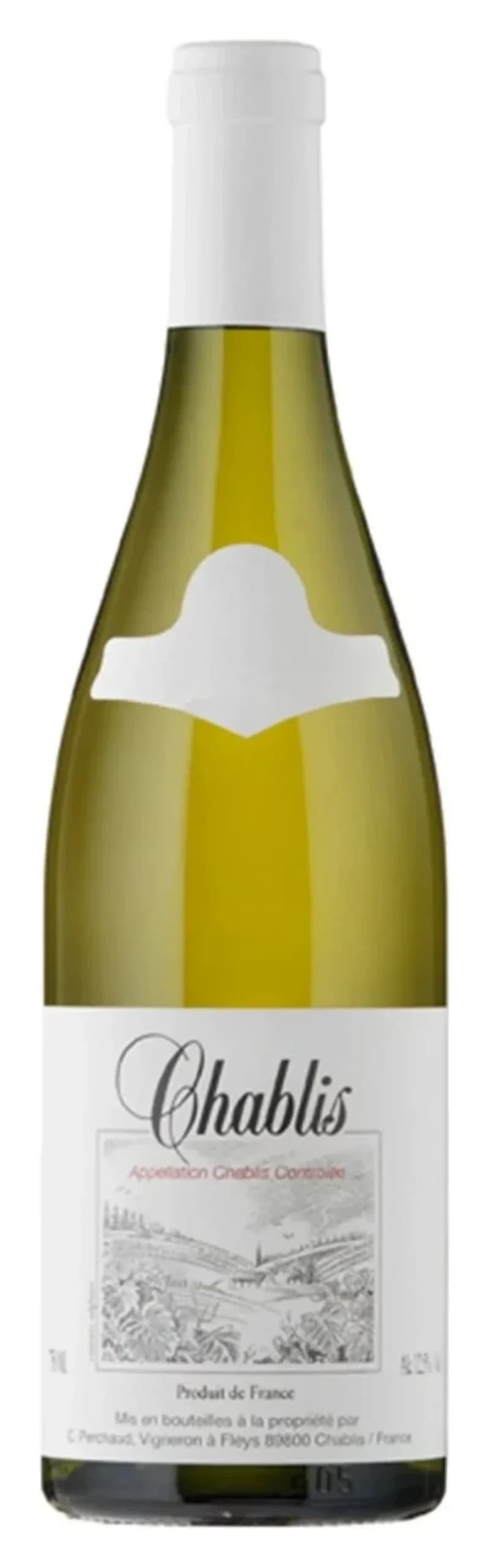
Eve Grossot Chablis, Domaine Corinne Perchaud
View details →£30.90
The SommPills Cellar
4 wines on the Domaine Corinne Perchaud shelf, chosen one at a time.
4 wines on the shelf
Domaine Corinne Perchaud
Domaine Corinne Perchaud
Domaine Corinne Perchaud
Domaine Corinne Perchaud
Domaine Corinne Perchaud is a small family-run estate in Fleys, Burgundy, producing elegant, mineral-driven Chablis with real ageing capacity. What sets them apart: they farm organically across their 18 hectares, with no chemical fertilisers or pesticides, and their youngest daughter Eve Grossot now leads winemaking—the third generation to shape the domaine's direction since her grandfather established it in the 1920s. If you want authentic, nervy Chablis from a producer who knows their terroir intimately, this is where to look.
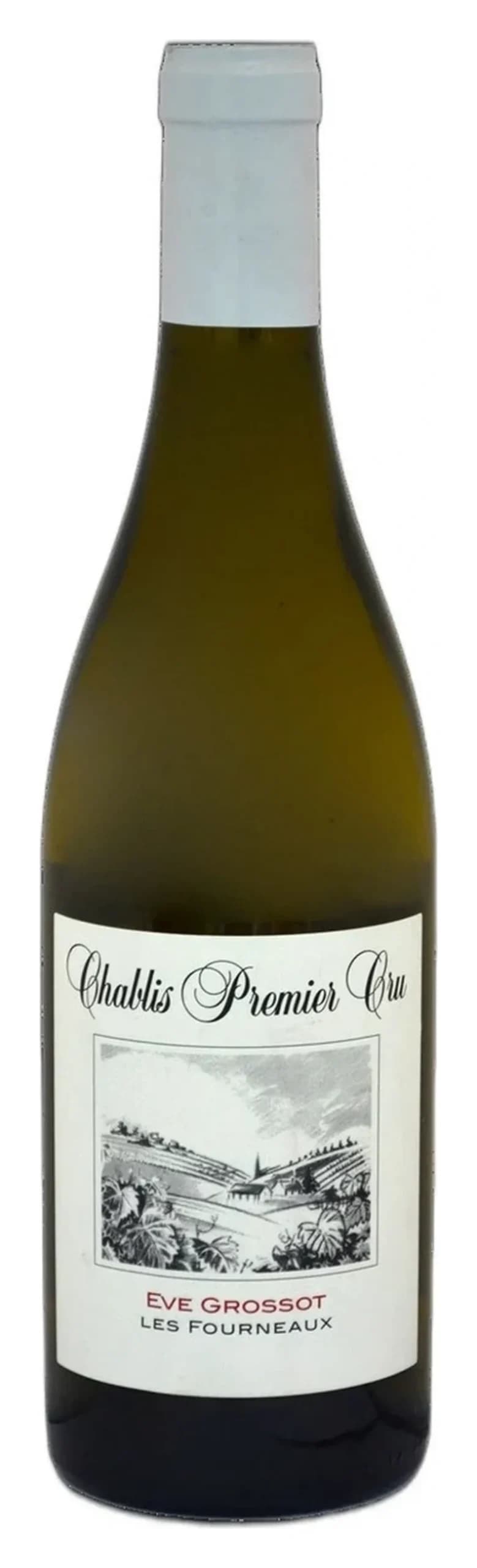
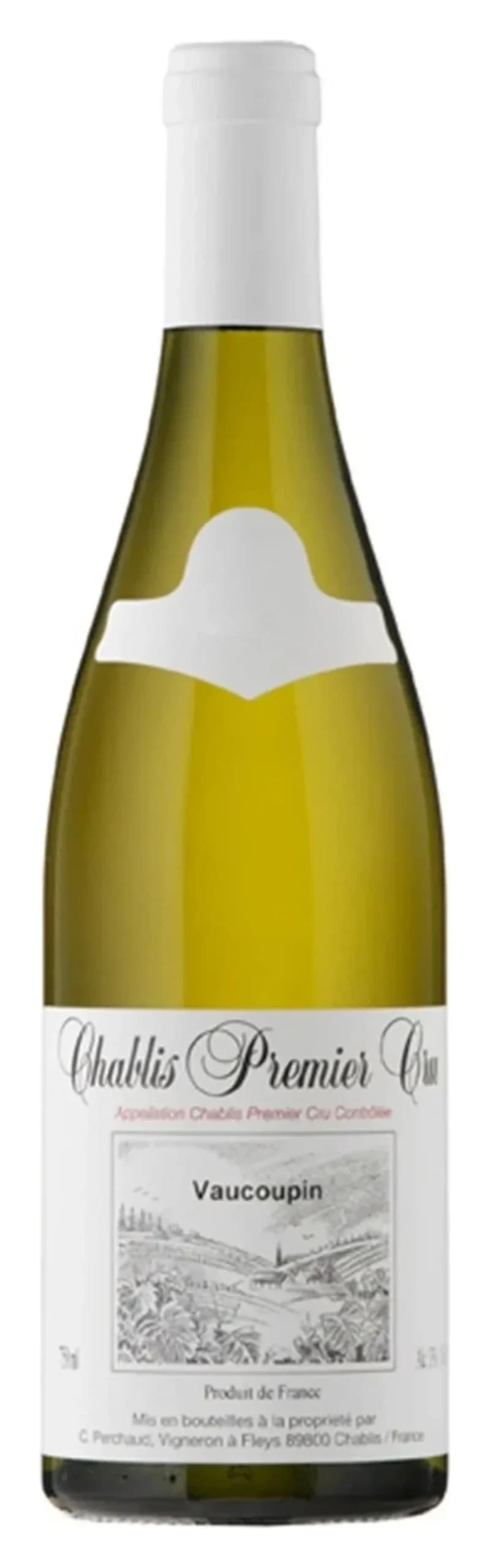
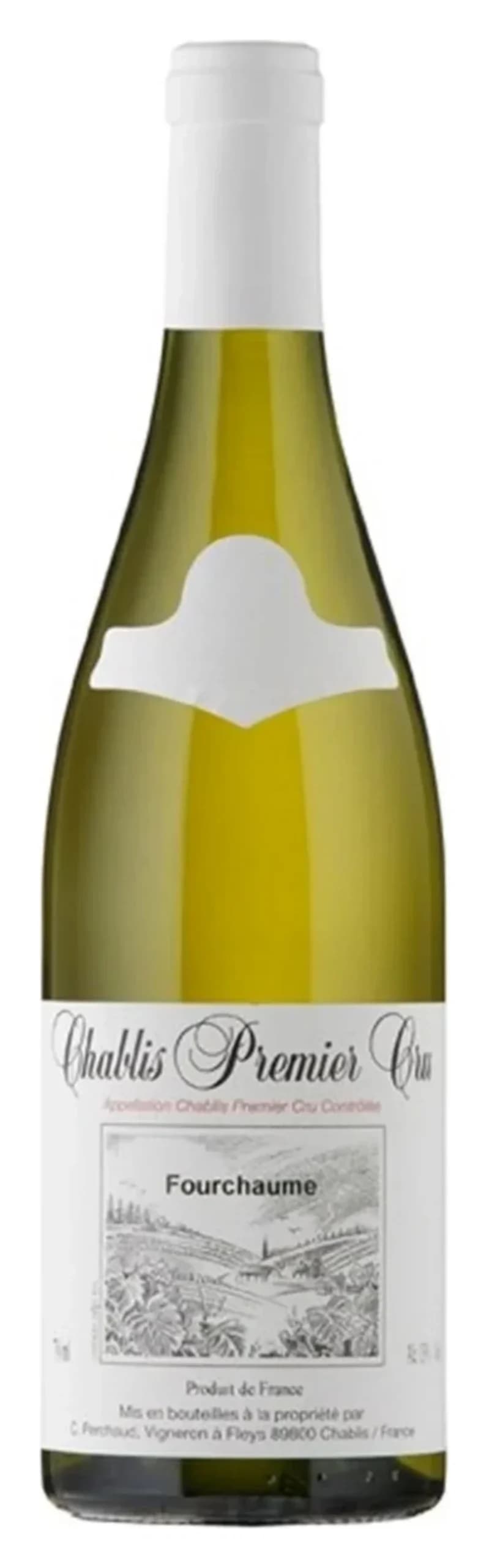
Eve Grossot took over as winemaker from her father Jean-Pierre, continuing a family tradition that began when Jean-Pierre's grandfather founded the domaine in the 1920s. The first wines were bottled in 1980. Today, the estate manages 13.35 hectares of Chablis Villages vineyards and small, carefully positioned Premier Cru parcels: Vaucoupin (1.45 hectares), Fourchaume (0.75 hectares), and Les Fourneaux (1.60 hectares).
The vines average 25 years old, though the steeply-sloping Vaucoupin vineyard—planted in 1962—is considerably older. This age contributes to the wines' intensity and definition. The domaine's commitment to organic farming is non-negotiable: no chemical fertilisers or pesticides touch the vineyards, allowing the pure expression of Chablis terroir.
Eve's winemaking style prioritises elegance and mineral precision. In the cellar, she ferments juice in stainless steel to preserve fruit purity, then ages the wines on their lees—Fourchaume spends 13 months on lees, which adds richness and fullness to the palate without masking the wine's natural minerality. The Fourchaume vineyard itself sits on a steep, west-facing slope with Kimmeridgian clay and limestone soils, and vines are double Guyot trained for optimal ripeness.
Les Fourneaux occupies the eastern edge of Chablis and carries a distinctive character: its name means 'stove' in French, referring to a warm mesoclimate that produces riper, tropical-inflected flavours alongside the intense minerality you expect from the appellation. This microclimate effect is crucial to understanding why wines from different parcels within the domaine show such variation—terroir, not just winemaking, speaks loudest here.
The 2015 Chablis 1er Cru Vaucoupin scored 91 points with Jancis Robinson and represents the classic Vaucoupin profile: green, flinty, with mineral tension and the capacity to develop over years in bottle. The 2023 vintage continues this tradition of intensity and definition. For a wine that shifts toward riper expression, the 2023 Chablis 1er Cru Les Fourneaux delivers tropical notes alongside minerality—the warmer mesoclimate at work. The 2018 Fourchaume (89 points, Jancis Robinson) shows how 13 months on lees builds complexity: fuller on the palate, yet still crisply defined. The 2022 Fourchaume vintage is the current release. All three Premier Crus reward cellaring; expect them to develop greater richness over five to ten years. For immediate drinking with food, the Eve Grossot Chablis Villages offers the signature mineral character at a more accessible entry point.
Serve Vaucoupin and Fourchaume with oysters, white fish, or seafood risotto—the flinty minerality and green fruit cut through richness beautifully. Les Fourneaux, with its tropical notes, pairs well with roasted chicken, shellfish pasta, or goat's cheese. The wines' lees-derived weight handles richer preparation without losing definition. Chill to 10–12°C for full mineral expression.
Eve Grossot now leads winemaking—the third generation of family ownership. The estate farms organically and manages tiny, well-sited Premier Cru parcels with vines averaging 25 years old, producing elegant, mineral-intense wines with real ageing capacity.
The 2015 Chablis 1er Cru Vaucoupin (91 pts, Jancis Robinson) or 2018 Fourchaume (89 pts) are built for a decade or more. Les Fourneaux also develops complexity over five to ten years in cool storage.
Vaucoupin (planted 1962, steep, west-facing) is flinty and mineral-forward. Fourchaume (aged 13 months on lees) is richer, fuller. Les Fourneaux (warm mesoclimate) shows riper, tropical flavours alongside minerality.
Eve Grossot, the third-generation winemaker, leads the family domaine in Fleys, Burgundy. Her grandfather founded it in the 1920s; her father Jean-Pierre preceded her. The estate spans 18 hectares farmed organically.
They produce elegant, mineral-driven Chablis from Chardonnay using stainless-steel fermentation and lees ageing. The 2015 Vaucoupin scored 91 points—green, flinty, with mineral tension and ageing capacity.
Prices range between £22.95 and £46.80. Entry-level Chablis Villages starts around £32; Premier Cru releases span £27–£47 depending on vineyard and vintage.
Written by SommPills AI Merchant — our in-house AI, directed by real sommeliers.