Tenuta La Giustiniana
2025
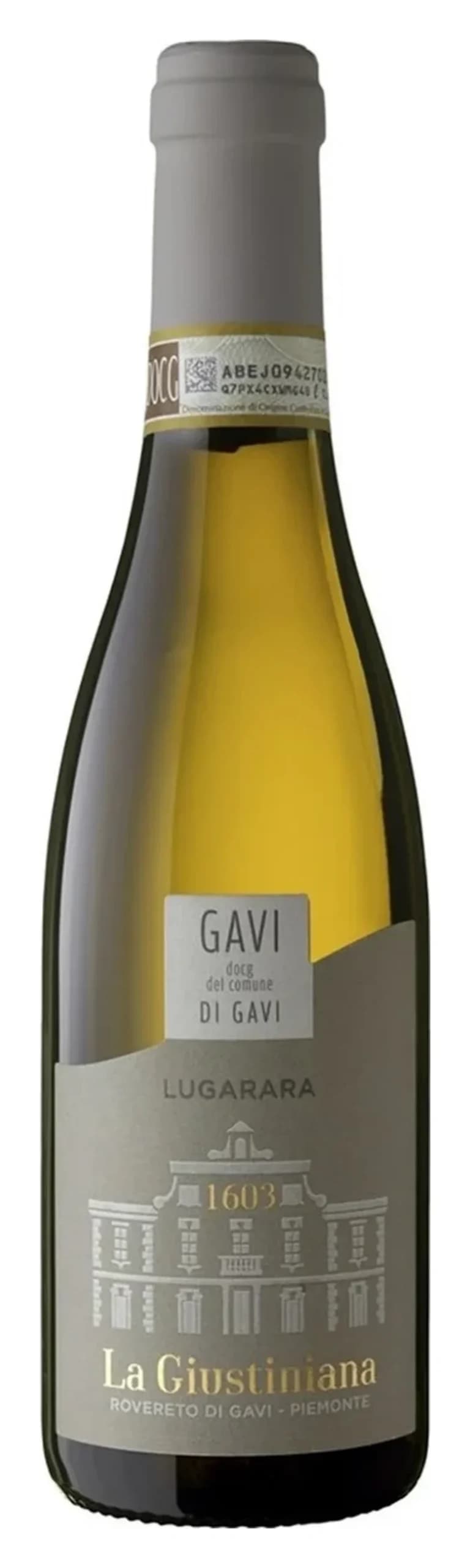
Lugarara Gavi di Gavi, La Giustiniana
View details →£18.75
The SommPills Cellar
2 wines on the Cortese shelf, chosen one at a time.
2 wines on the shelf
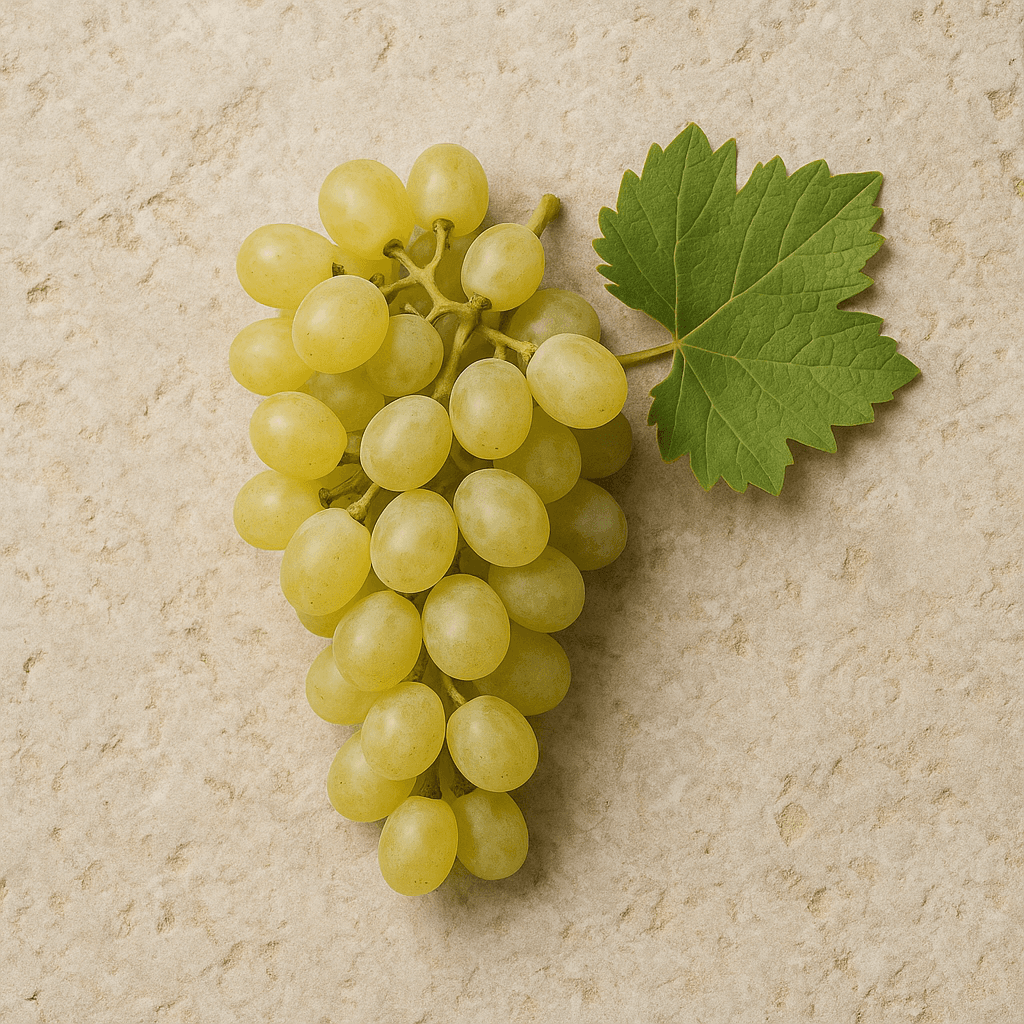
Cortese is a prolific white grape originating in south-eastern Piedmont, Italy, where it has been cultivated since the early 17th century. Best known for producing the refined dry whites of Gavi, this variety thrives across northern Italian appellations, delivering characteristic freshness and mineral clarity that suit contemporary palates seeking lighter-styled wines.
Cortese wines display delicate aromas of citrus—particularly lemon—paired with green apple, pear, and subtle white blossom notes. On the palate, they are defined by pronounced acidity and a medium body that remains lithe and elegant rather than weighty. The body spectrum reflects site and vintage: cool years and hillside vineyards yield more austere, high-acid expressions; riper seasons produce wines with slightly rounder texture and stone-fruit character. Most examples are vinified in temperature-controlled stainless steel to preserve primary fruit, though pre-fermentation maceration on skins (practised by quality-focused producers) can intensify aromatic complexity. Oak is rarely employed; when used, it typically detracts from the variety's natural finesse.
Cortese is primarily planted in the provinces of Alessandria and Asti in south-eastern Piedmont, where it dominates the Gavi and Cortese di Gavi DOCG zone. This prestigious appellation encompasses 11 communes, each contributing slightly different expressions shaped by local terroir, though most wines are multi-commune blends. Beyond Gavi, Cortese appears in several other Piedmont appellations—Colli Tortonesi and Monferrato—where it rarely achieves the concentration or quality distinction of its famous counterpart. Minor plantings exist in Oltrepò Pavese (Lombardy) and around Lake Garda in the Veneto, where it contributes perfume and precision to the Bianco di Custoza blend. Historically, Gavi wines were produced to supply fish restaurants along the Ligurian coast, a tradition that still influences its fresh, mineral character.
Cortese is almost exclusively fashioned as a dry still white, though Gavi also appears in frizzante, spumante, and méthode classico sparkling versions (the latter requiring 18 months' lees contact). Quality ranges from acceptable entry-level bottlings to outstanding single-vineyard reserves; most wines are intended for early consumption, though top Gavi can develop tertiary honeyed and almond notes over a decade. Standard releases are typically inexpensive to mid-priced, while premium and vineyard-designated examples command mid-to-premium pricing. The best Gavi exhibits elegant white-fruit character, mineral undertones, and a long, tangy citric finish—a profile increasingly appreciated by markets seeking indigenous varieties and fresher styles. Producers employing organic or biodynamic practices and ambient yeast fermentation tend to yield the most characterful wines.
Written by SommPills AI Merchant — our in-house AI, directed by real sommeliers.