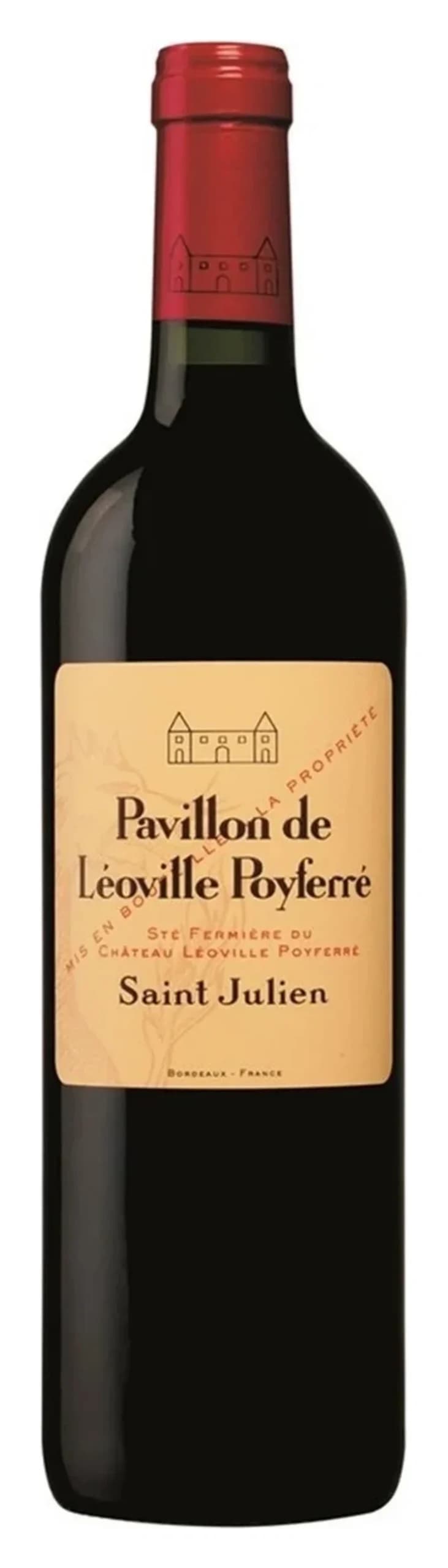
Chateau Leoville Poyferre
2018
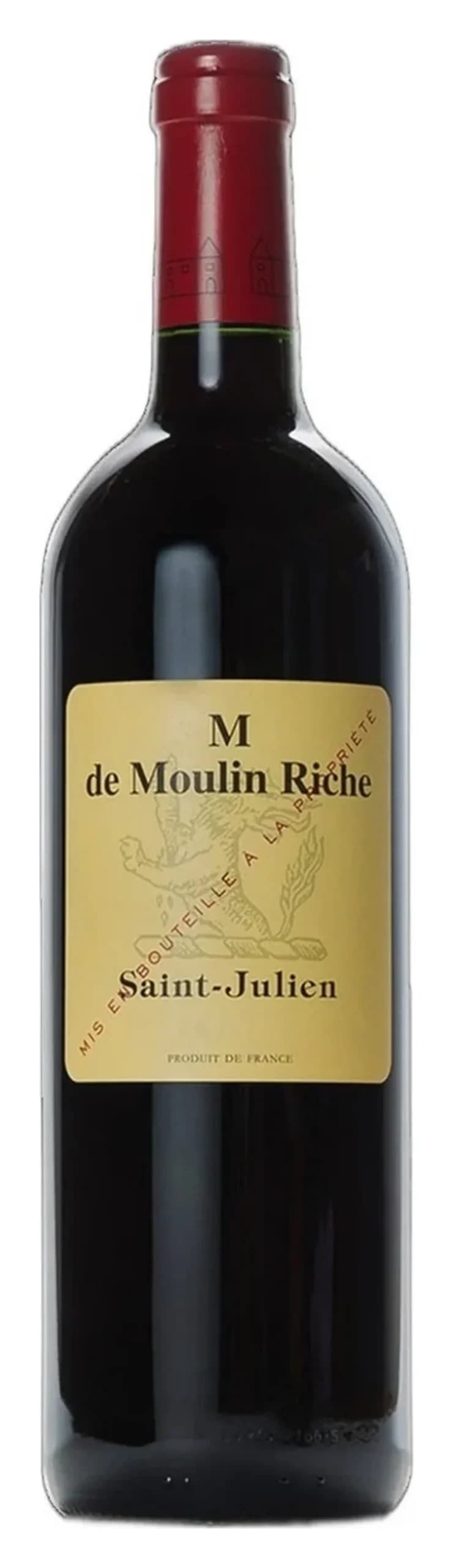
M de Moulin Riche Saint-Julien, Château Moulin Riche
View details →£37.95
The SommPills Cellar
3 wines on the Chateau Leoville Poyferre shelf, chosen one at a time.
3 wines on the shelf
Château Léoville Poyferré is a Second Growth estate in Saint-Julien, classified in the 1855 Bordeaux classification. The estate commands 80 hectares across five distinct gravel soil types, which is the foundation of its consistent quality. The work of chief oenologist Isabelle Davin and cellar master Didier Thomann ensures scrupulous attention to detail both in vineyard and cellar, which translates into reliable, structured Bordeaux that ages well.
The estate sits on deep gravel soils characteristic of Saint-Julien. These substrates, with their structural depth, enable root systems to access lower strata and extract the mineral intensity that defines refined Saint-Julien wines. Within its 80-hectare holdings, Léoville Poyferré encompasses gravel soil diversity—five distinct types distributed throughout the Saint-Julien appellation—offering the winemaking team varied terroir for blending purposes. The vineyards are planted with 63% Cabernet Sauvignon, 25% Merlot, 7% Petit Verdot and 5% Cabernet Franc—a traditional Bordeaux blend weighted toward structure and age-worthiness. The estate emphasises sustainability through minimum intervention in the vineyards, allowing each soil type to express its character without heavy-handed manipulation. This philosophy extends into the cellar, where Isabelle Davin and Didier Thomann direct fermentation and aging with precision. The estate produces both its grand vin—the main Château Léoville Poyferré—and two second wines, Pavillon de Léoville Poyferré and Château Moulin Riche, each drawing from different vineyard parcels and vine ages. The younger vine parcels (average 15–20 years) destined for the second wines are matured in barrels of French oak aged two years, a choice that preserves bright fruit character and ensures drinkability in youth while maintaining structure for medium-term cellaring.
The flagship 2014 Château Léoville Poyferré (93 points) is the wine to buy if you want the full expression of this terroir and expect to cellar for a decade or more. The 2016 Pavillon de Léoville Poyferré (90 points) offers access to the estate's style at a gentler entry price; it drinks well now but will hold comfortably for five years. The 2018 and 2019 Pavillon releases (both 90 points) continue this pattern—fruit-forward, structured enough to pair with food, and approachable without demanding patience. If you're exploring the estate's full range, Château Moulin Riche (the third wine) appears in the 2017 and 2018 vintages, both scoring 88–90 points; these are pure drinking wines for current consumption, without pretence to long aging. All carry the same winemaking discipline and terroir signature, just expressed at different intensity levels depending on vineyard source and vine age.
The 2014 main wine pairs with aged beef, game, and rich braised meats that demand structural support—think beef bourguignon or roasted venison. The Pavillon releases suit lamb, duck confit, and grilled cuts where you want fruit and tannin in balance but don't need the power of the grand vin. Château Moulin Riche works with chargrilled beef, herb-crusted lamb racks, and even well-seasoned charcuterie. All three tiers share enough Cabernet structure to cut through fat without overwhelming delicate preparations.
The main wine comes from older vines across all five soil types; second wines (Pavillon and Moulin Riche) come from younger vines (15–20 years average) and specific parcels, offering earlier drinkability with less power and aging potential.
Deep gravel soils across five distinct types encourage deep root penetration, producing wines balancing intensity with refinement. This structure suits medium-term cellaring and food pairing.
Chief oenologist Isabelle Davin and cellar master Didier Thomann direct production with scrupulous attention to detail. The estate emphasises sustainability and minimum vineyard intervention to express each terroir site authentically.
Chief oenologist Isabelle Davin and cellar master Didier Thomann lead this Second Growth Saint-Julien estate, classified in 1855. The 80-hectare property is run with scrupulous attention to detail across vineyard and cellar.
Structured Bordeaux blends: 63% Cabernet Sauvignon, 25% Merlot, 7% Petit Verdot, 5% Cabernet Franc. The 2014 flagship scored 93 points for reliable, age-worthy wines with mineral intensity from gravel terroir.
Between £35 and £135. Entry-level third wines start at £35, second wines range £44–£50, and the flagship 2014 is £135. All offer genuine estate quality at their respective price points.
Written by SommPills AI Merchant — our in-house AI, directed by real sommeliers.