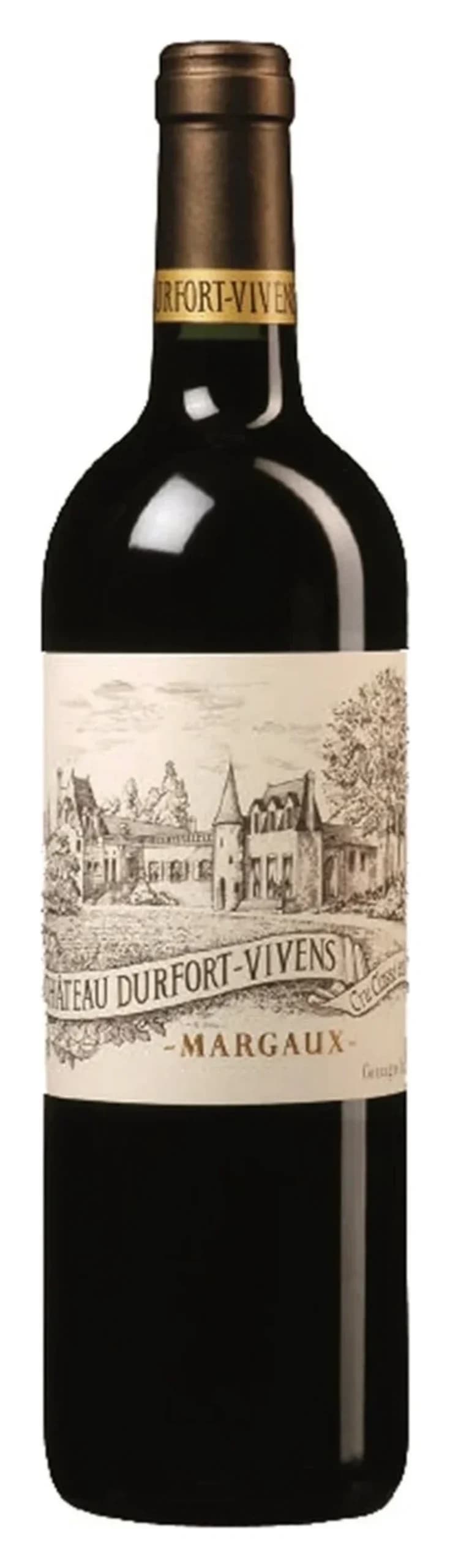
Chateau Durfort-Vivens
2020
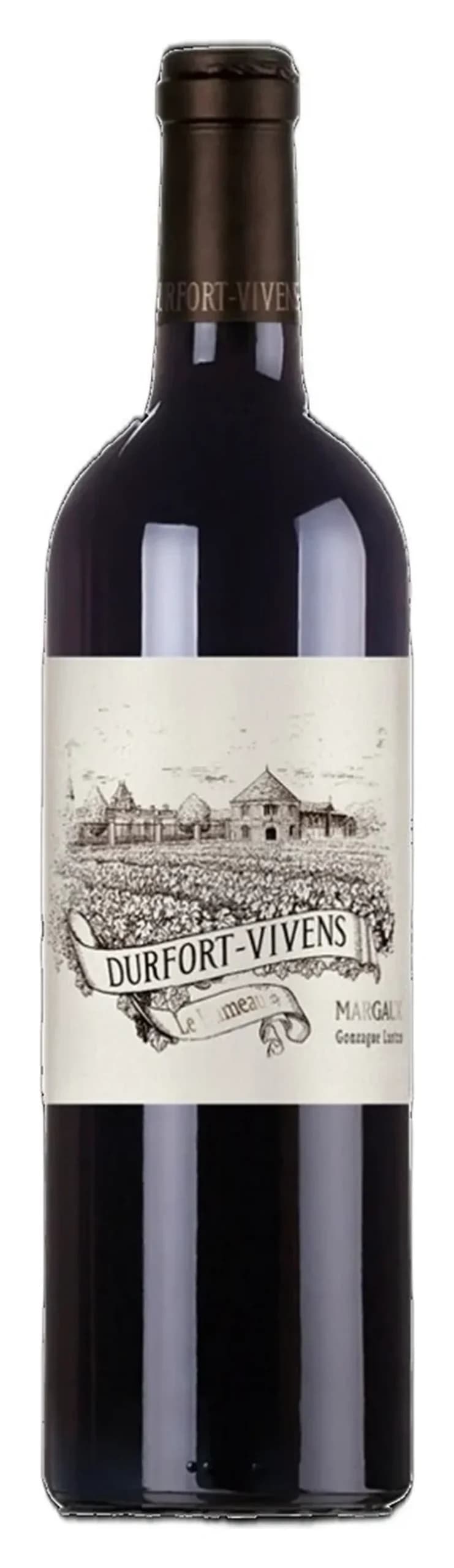
Le Hameau de Durfort-Vivens Margaux, Château Durfort-Vivens
View details →£50.20
The SommPills Cellar
3 wines on the Chateau Durfort-Vivens shelf, chosen one at a time.
3 wines on the shelf
Château Durfort-Vivens is a 55-hectare Second Growth estate in Margaux. Gonzague Lurton, the proprietor and director, has fully converted the vineyards to organic and biodynamic certification since 2016. This matters for your buying decision: you're getting wines from a producer who invested heavily in sustainable viticulture over the past 15 years, which shows in the purity and definition of the fruit. The estate sits across four villages within Margaux on deep gravel soils—Cantenac, Soussans, Margaux, and Arsac—planted predominantly with Cabernet Sauvignon (90%), Merlot (8%), and Cabernet Franc (2%). The result is a consistent house style: rich and powerful yet elegant, which is exactly what you want from a classified Margaux.
Gonzague Lurton began converting the vineyard to biodynamic viticulture in 2009, starting with just 20% of the estate. Satisfied with the results, he expanded to 40% the following year and committed to full conversion by 2013. Certification was achieved by the 2016 vintage. This wasn't a marketing gesture—it reflects a genuine philosophy: working with the land rather than against it produces better wine. At the winery, Lurton collaborates with Léopold Valentin in his role as Technical Director and Jean-Jacques Hurteaud, the Cellar Master, having modernised the cellars to house amphorae collections rivaling the world's most significant holdings. The blend designated as the Grand Vin comprises 90% Cabernet Sauvignon and 10% Merlot, vinified in oak and concrete vats, then aged 18 months in 60% new French oak barriques. This traditional approach combined with modern winemaking tools produces wine with power and refinement.
From 2019 onwards, Lurton replaced the second wine with three separate parcellary wines called Les Parcellaires, each designed to showcase the subtle terroir differences across the estate. This is a smart move for drinkers: you can either buy the Grand Vin for serious cellaring, or explore the parcellary wines to understand how specific vineyard blocks contribute to the estate's overall character. Les Plantes de Durfort-Vivens, from younger vines, offers remarkable freshness—88% Cabernet Sauvignon, 10% Merlot, 2% Cabernet Franc, aged 16 months mostly in clay amphorae (80%) with 20% French oak. Expect ripe black fruits with subtle spiciness and a lighter touch than the Grand Vin. Le Plateau de Durfort-Vivens steps up in intensity; made from 25-year-old vines on deep sandy gravel, it's 65% Cabernet and 35% Merlot, aged in amphorae (66%) and French oak (33%, just 10% new). This wine shows brooding black fruit and excellent grip on the finish—it's the power player. Le Hameau de Durfort-Vivens, finally, embodies elegance: a blend of 47% Merlot and 53% Cabernet Sauvignon matured in oak barrels (15% new) and amphorae, this wine bridges freshness and structure.
For those seeking mid-weight elegance with serious structure, the 2020 Le Hameau de Durfort-Vivens (91 points across multiple critics) sits between the lighter Les Plantes and the power of Le Plateau.
Les Plantes works with duck breast or roasted chicken—the freshness cuts through richness without overpowering the dish. Le Plateau and the Grand Vin are built for beef: aged rib, short rib, or steak frites. The wines' grip and dark fruit tannins need protein with some fat to shine. Le Hameau bridges both: it's supple enough for lamb shoulder, firm enough for grilled beef. Avoid delicate white fish; these are Bordeaux blends that need substance on the plate to release their full character.
The estate has been certified organic and biodynamic since 2016. Gonzague Lurton's commitment—starting in 2009 and achieving full conversion by 2013—produced measurable improvement in fruit purity and terroir expression, directly reflected in wine quality and critic scores.
Les Plantes (younger vines) offers freshness with ripe black fruits. Le Plateau (25-year-old vines) delivers brooding power and grip. Le Hameau (mixed blend) balances elegance. The Grand Vin is the estate's finest: 90% Cabernet Sauvignon, aged 18 months in 60% new oak.
Amphorae are used to age wines like Les Plantes (80% amphorae, 20% oak) and Le Plateau (66% amphorae, 33% oak), giving a modern twist to traditional winemaking. The estate houses one of the largest amphorae collections worldwide, blending terroir expression with contemporary technique.
Gonzague Lurton, proprietor and director, runs this 55-hectare Second Growth estate in Margaux. He leads a team including Léopold Valentin (Technical Director) and Jean-Jacques Hurteaud (Cellar Master). The vineyard has been fully organic and biodynamic certified since 2016.
Cabernet-led reds (90% Cabernet Sauvignon, 8% Merlot, 2% Cabernet Franc) from Margaux. The house style is rich, powerful yet elegant. Critics rate the 2020 Grand Vin at 95 points for its savory, classic profile.
Between £42 and £102. Entry-level parcellary wines start around £42–£46; the Grand Vin ranges from £92–£102 depending on vintage.
Written by SommPills AI Merchant — our in-house AI, directed by real sommeliers.