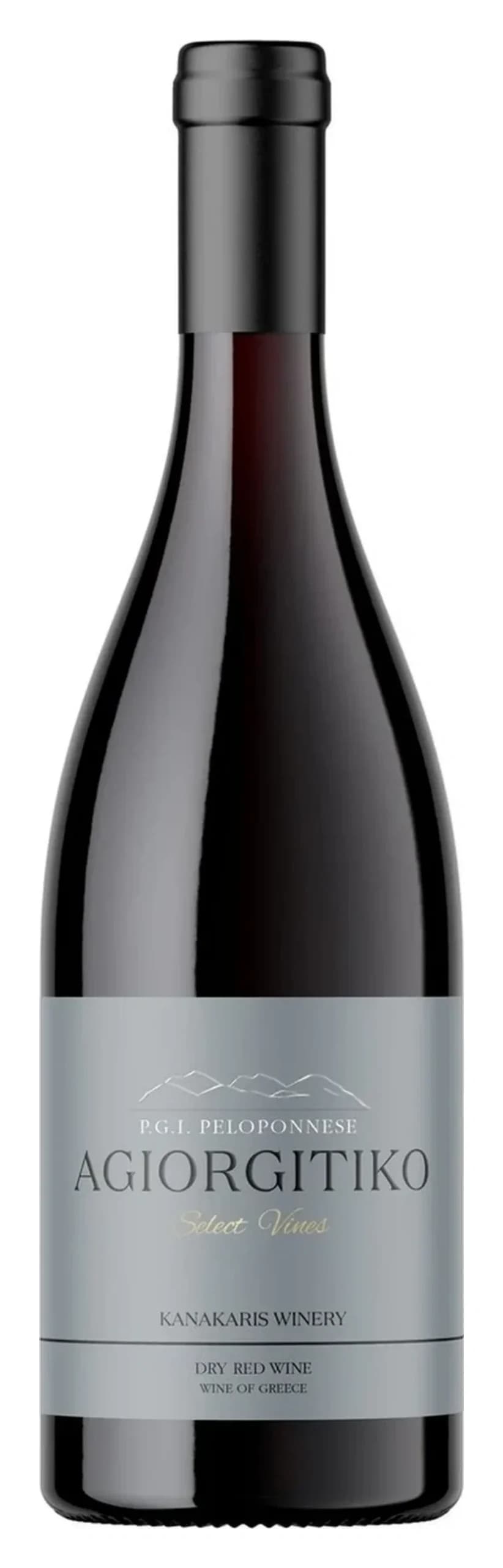
Kanakaris Winery
2024
Agiorgitiko, Select Vines, Kanakaris
View details →£16.80
The SommPills Cellar
1 wine on the Agiorgitiko shelf, chosen one at a time.
1 wines on the shelf
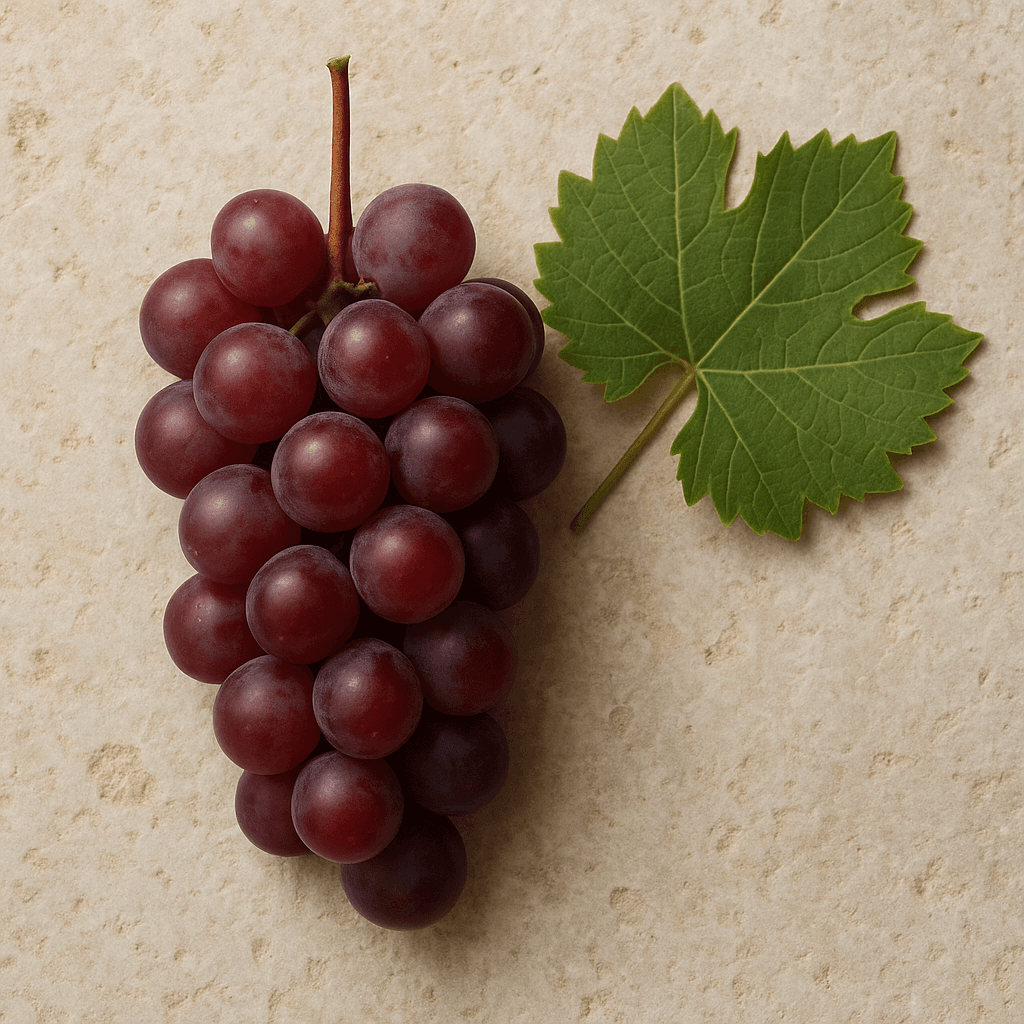
Agiorgitiko wine price varies considerably depending on terroir and winemaking, reflecting Greece's most widely planted dark-skinned variety. Named after a chapel in Nemea and native to the Peloponnese, this versatile grape produces wines ranging from light, fresh styles to complex, age-worthy reds, plus quality rosés and sweet wines.
Agiorgitiko typically expresses ripe red fruit aromas with notes of sweet spices, though excessive ripeness can yield jammy character. The variety carries medium acidity and soft to medium-high tannins, with medium alcohol content. Body spans a wide spectrum: altitude and yield management are the primary drivers. Valley-floor vineyards produce soft, lower-acidity wines lacking structure; higher-altitude sites (450–900 m) yield fresher, more intense, well-defined reds with better acidity balance and greater ageing potential.
Winemaking choices reshape the profile dramatically. Oak ageing—whether in proportion or new French barriques—adds richness and complexity. Semi-carbonic maceration techniques enhance fruity character and soften tannins, creating approachable early-drinking styles. Cool-climate examples, particularly from elevated terroirs, develop higher acidity and more reserved tannins; warmer regions and riper harvests produce fuller-bodied, jammier wines with lower acidity.
Agiorgitiko dominates the Peloponnese, with significant plantings in Attica on the southern mainland. The variety is virtually synonymous with the PDO Nemea, where it is the sole authorised red-wine variety. Nemea's three altitude zones each produce distinct styles: the valley floor yields soft, high-alcohol wines for immediate consumption; the middle zone (450–650 m) is regarded as the quality sweet spot, with poor, free-draining soils naturally limiting yields and allowing slow ripening; the highest plateau (Asprokampos, up to 900 m) produces the freshest, most tannic, age-worthy expressions.
Beyond Nemea, Agiorgitiko thrives in central and northern Peloponnese, Attica, and Macedonia. It blends well with Cabernet Sauvignon in cooler northern regions such as Metsovo in Epirus. In cooler, elevated zones (650–1,000 m), grapes struggle to ripen fully, yielding high-acidity, harsh-tannin fruit increasingly explored for fresh red and rosé production outside PDO rules.
Agiorgitiko's range is remarkable. Entry-level inexpensive reds are fruit-forward and soft; mid-tier examples (450–650 m sites) are structured, balanced, and age-worthy for 5–10 years, often commanding mid to premium prices. Outstanding high-altitude bottlings develop complexity over decades, achieving premium and super-premium status. Fresh, dry rosés—produced from higher vineyard zones—offer crisp acidity and delicate character. Sweet red wines, made from raisined grapes in lower-altitude vineyards, deliver soft, fresh richness.
Since the 1990s, modern winemaking investment in Nemea has driven quality upward; gentler oak treatment now prevails over aggressive new-wood regimes. Significant producers include Gaia Wines, Tselepos, Driopi, Parparoussis, and Skouras, delivering wines ranging from accessible good-quality bottlings to outstanding, age-worthy expressions that command considerable agiorgitiko wine prices.
Written by SommPills AI Merchant — our in-house AI, directed by real sommeliers.