Propiedad Viticola Casa Castillo
2023
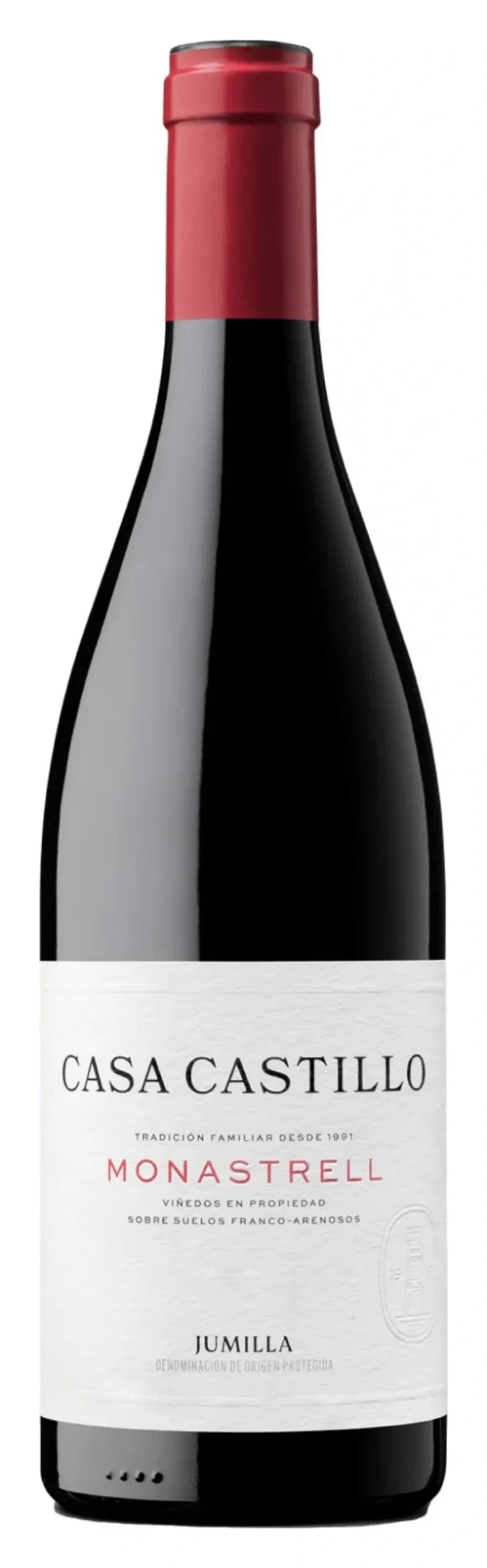
Jumilla Monastrell, Casa Castillo
View details →£16.90
The SommPills Cellar
3 wines on the Propiedad Viticola Casa Castillo shelf, chosen one at a time.
3 wines on the shelf
Propiedad Viticola Casa Castillo, based in Jumilla, Spain, is the leading fine wine producer in a region historically defined by bulk production. Owner José Maria Vicente has transformed the estate into a source of elegant, complex Monastrell expressions that command respect across Europe and beyond.
José Maria's grandfather acquired Casa Castillo in 1941, inheriting an old cellar built by French vignerons in the 1870s fleeing phylloxera. For decades the land served other crops. The estate underwent significant renewal when, in 1985, José Maria joined forces with his father to replant and expand the vineyard holdings; the first vintage was released in 1991. Since then, his commitment to improvement has been unrelenting—he travels to study the world's best producers, walks their vineyards, and applies those lessons to Casa Castillo's own practice.
The estate spans 170 hectares certified organic. Jumilla's terrain is calcareous and sandy with gravelly patches; vines are positioned at elevations approaching 700 metres, predominantly on slopes with northerly exposure. This positioning is strategic: the region endures hot, dry summers with minimal rain, but the northerly aspect shields grapes from scorching midday heat. The high diurnal range—cool nights, warm days—ensures slow, even ripening and retained acidity.
José Maria plants Monastrell, Garnacha and Syrah as dry-farmed bush vines at very low density, yielding only three tonnes per hectare. This constraint forces the vine to work harder, concentrating flavour. Winemaking is restrained: indigenous yeasts, minimal intervention, short maceration and controlled whole-bunch proportions. Fermentation takes place within both stainless steel vessels and subterranean concrete tanks; ageing combines concrete and old French oak (demi-muids and foudres). The result is wines defined by elegance and precision rather than the power you might expect from Jumilla's climate.
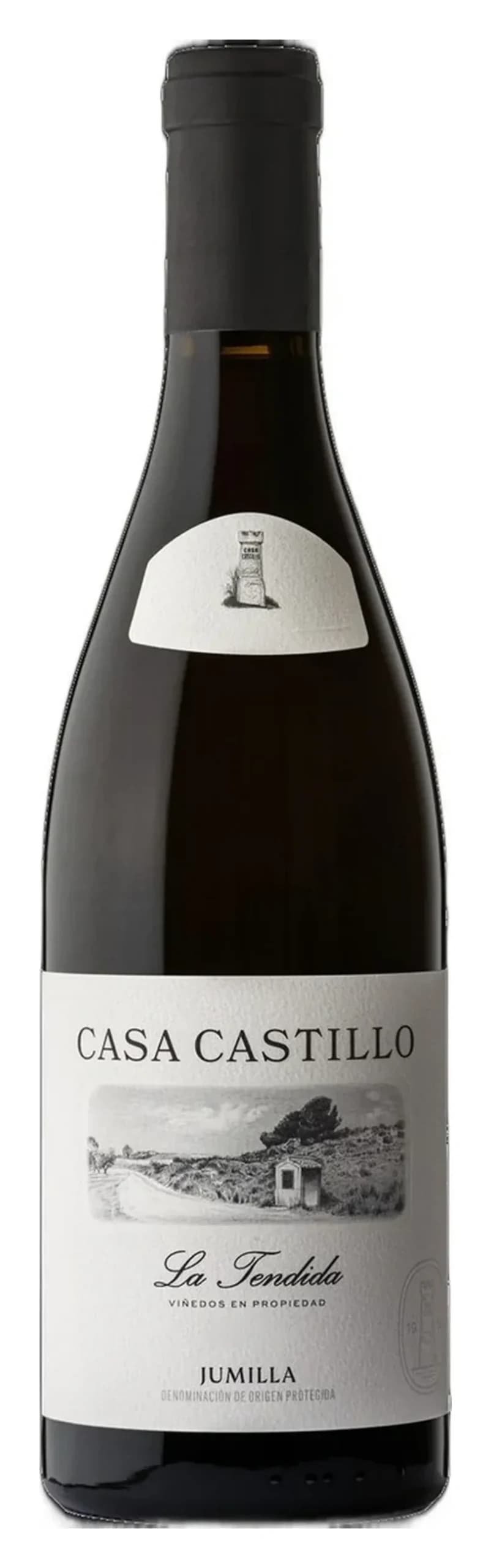
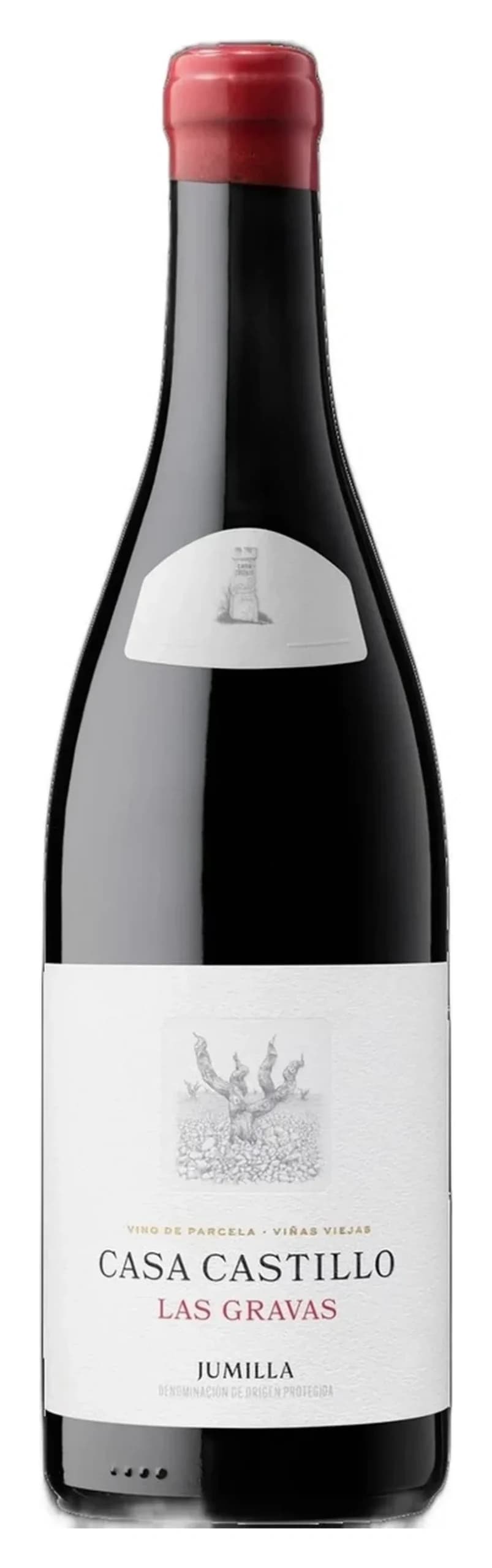
Start with the 2023 Jumilla Monastrell (89pts)—the estate's signature introduction, offering exceptional value and a clear expression of the variety. Move to the 2023 La Tendida (91pts), a Grenache-Mourvedre blend that shows the range's textural depth. For serious drinking, the 2023 Las Gravas Jumilla (99pts Guia Penin) represents the pinnacle of what this producer can achieve from old-vine Monastrell, with layers of structure and ageing potential. The 2023 Pie Franco (96pts), also pure Monastrell, offers another avenue into the estate's philosophy. Each wine reflects the low-yield farming and measured winemaking that define the house style: dry, mineral, age-worthy, never heavy.
He prioritises elegance and precision over bulk power. Low vineyard density, dry farming, minimal winemaking intervention and north-facing slopes at 700m altitude slow ripening and retain freshness—unusual discipline in a hot region.
Jumilla's Monastrell, properly handled, shows complexity and structure. Casa Castillo's low yields and restrained winemaking reveal the variety's true potential—dry, mineral and age-worthy, not extracted or jammy.
Yes. Casa Castillo holds organic certification across 170 hectares. The dry, low-rainfall climate of Jumilla naturally suits organic viticulture with minimal disease pressure.
José Maria Vicente owns Propiedad Viticola Casa Castillo in Jumilla, Spain. His grandfather acquired the estate in 1941; José Maria and his father replanted vineyards in 1985, releasing the first vintage in 1991.
Casa Castillo specializes in Monastrell, Garnacha and Syrah as dry-farmed bush vines. The wines are elegant, mineral and dry—the 2023 Las Gravas scores 99 points, showing the precision and structure the estate achieves.
Bottles range between £16.90 and £137.80. The entry-level 2023 Jumilla Monastrell is £16.90; premium expressions like the 2023 Pie Franco reach £137.80.
Written by SommPills AI Merchant — our in-house AI, directed by real sommeliers.