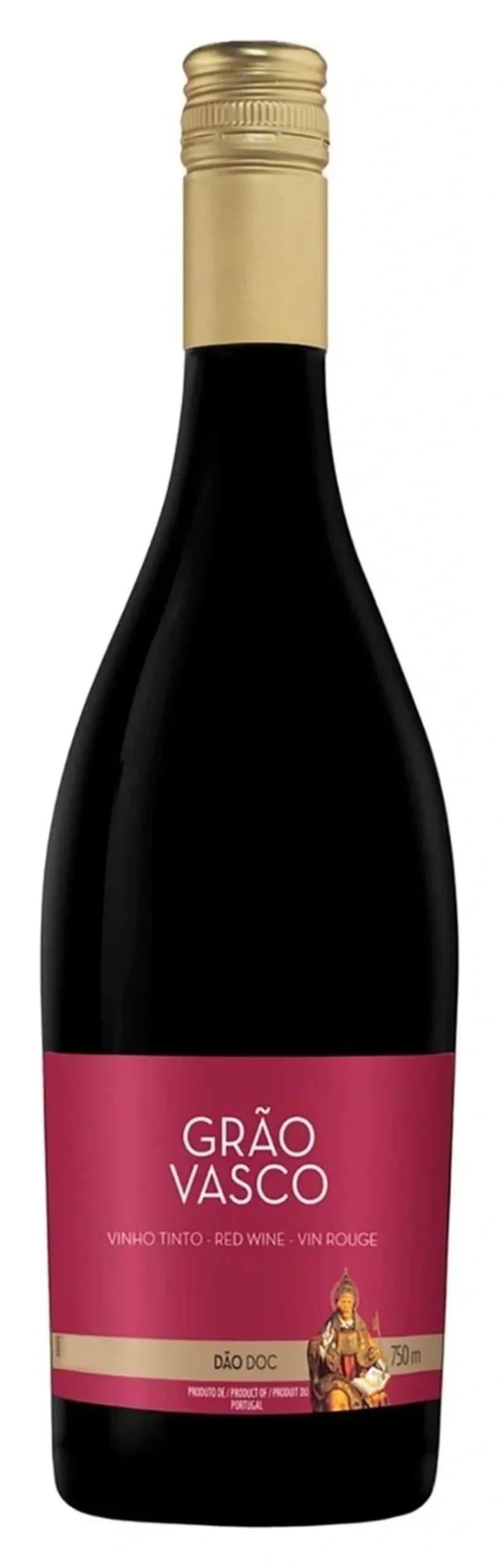
Grao Vasco
2023
Dão Tinto, Grão Vasco
View details →£11.05
The SommPills Cellar
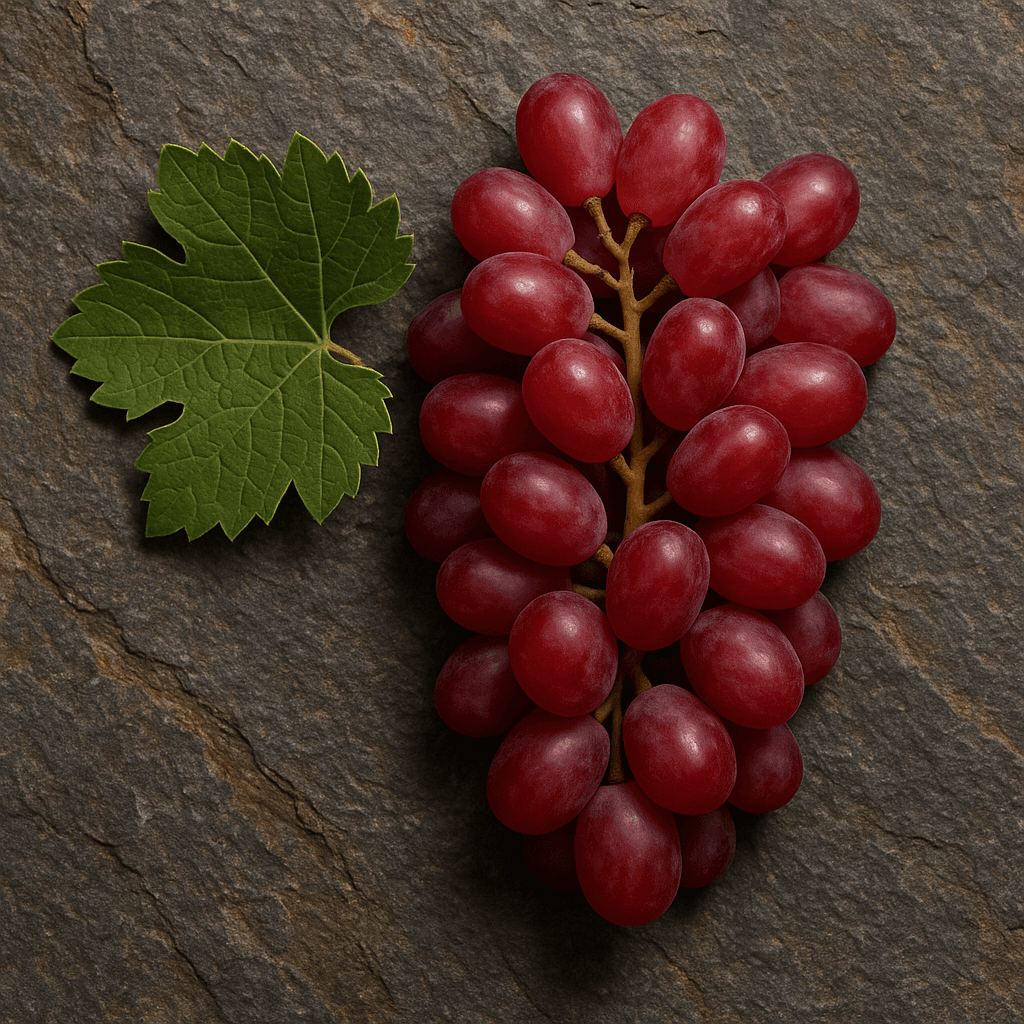
20 wines on the Tinta Roriz & Aragonez shelf, chosen one at a time.
20 wines on the shelf
Grao Vasco
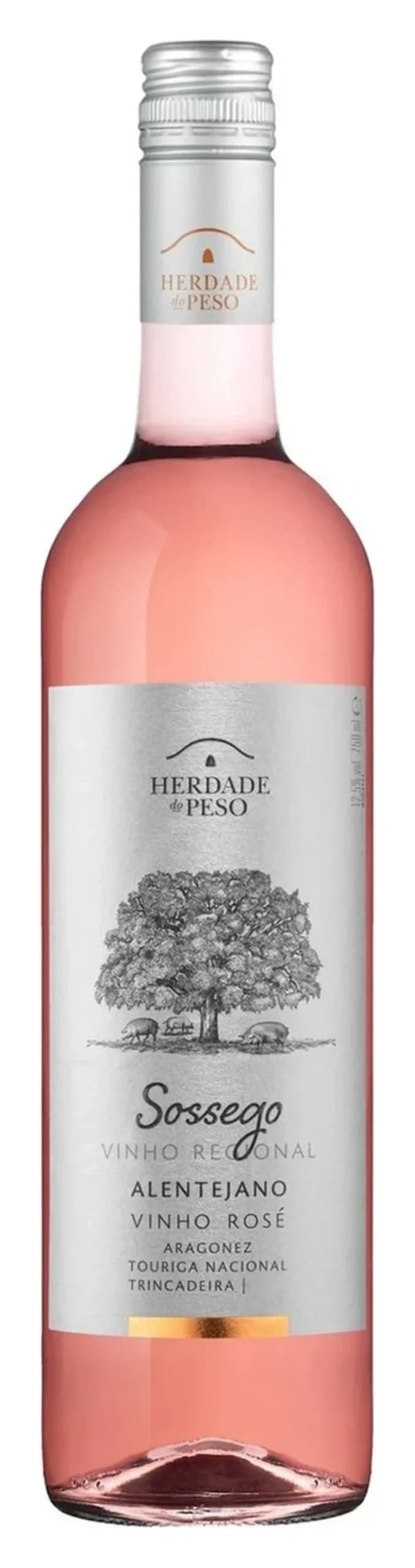
Herdade do Peso
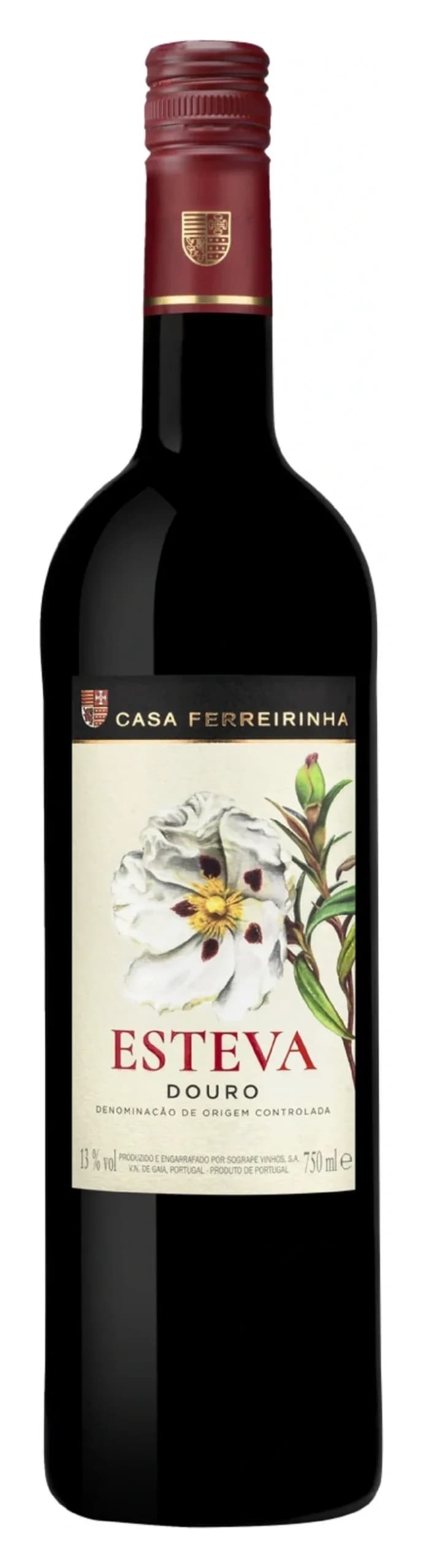
Casa Ferreirinha
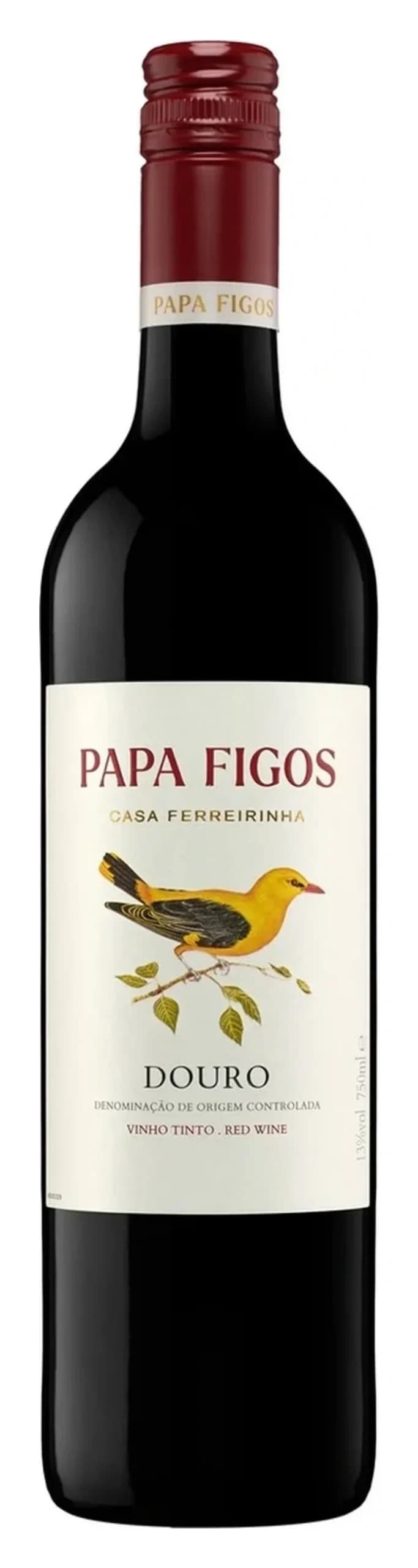
Casa Ferreirinha
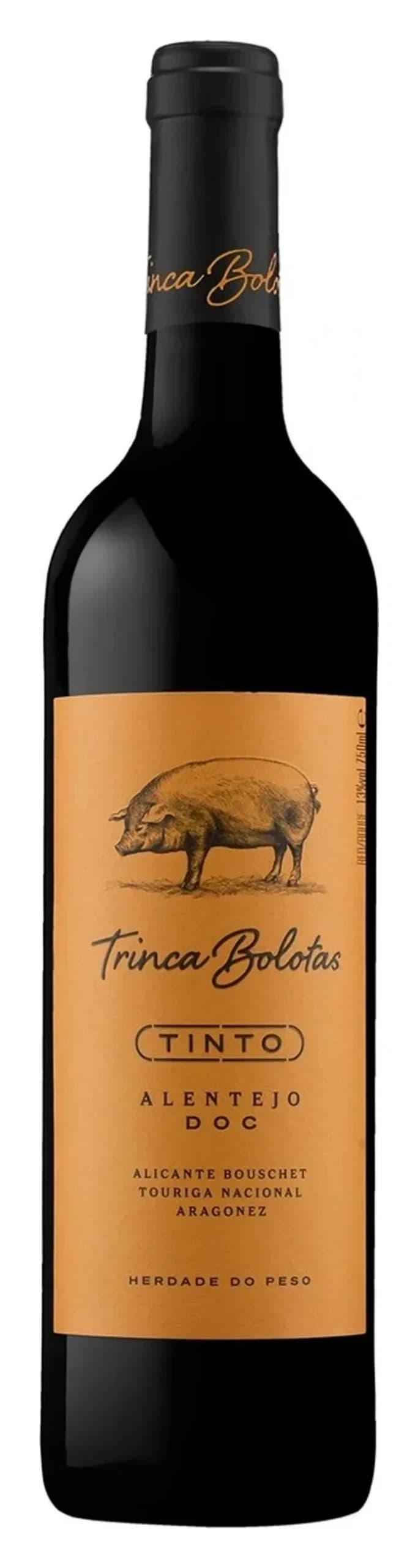
Herdade do Peso
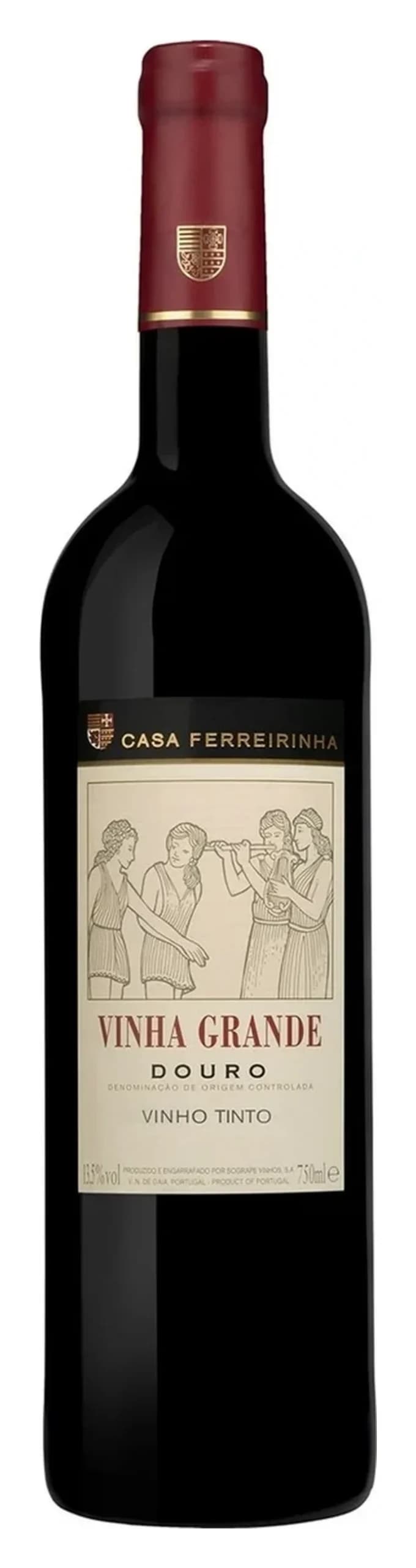
Casa Ferreirinha
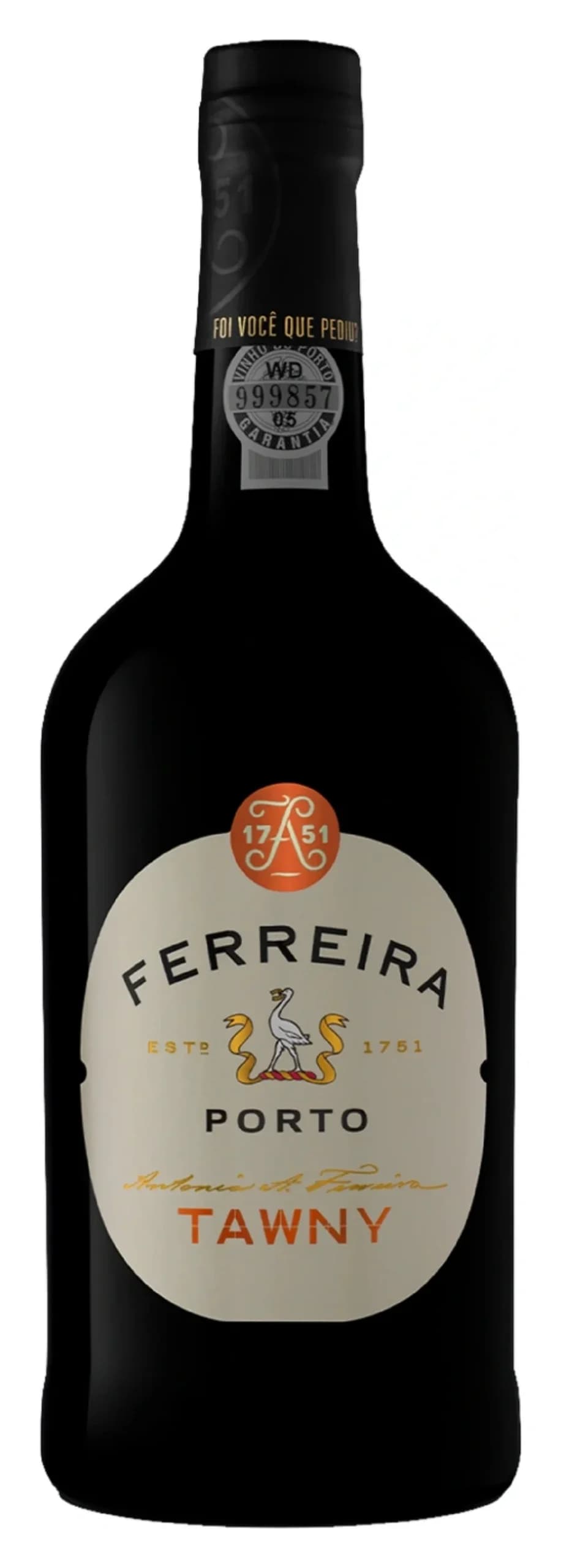
Porto Ferreira
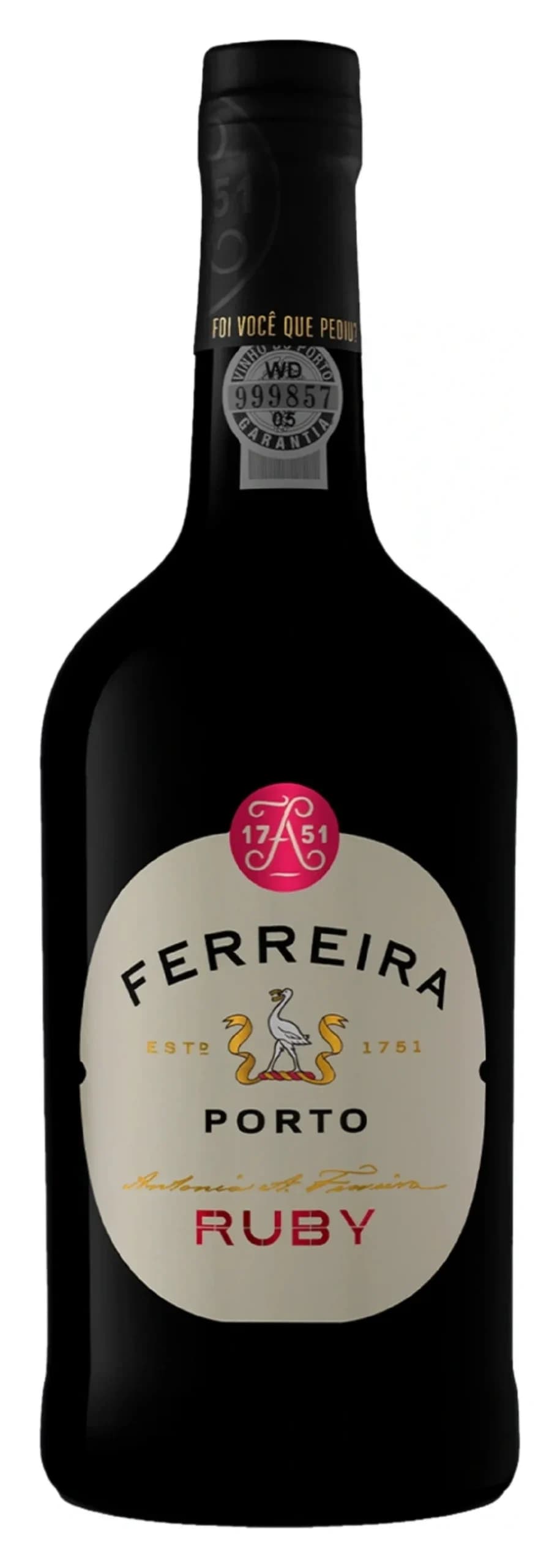
Porto Ferreira
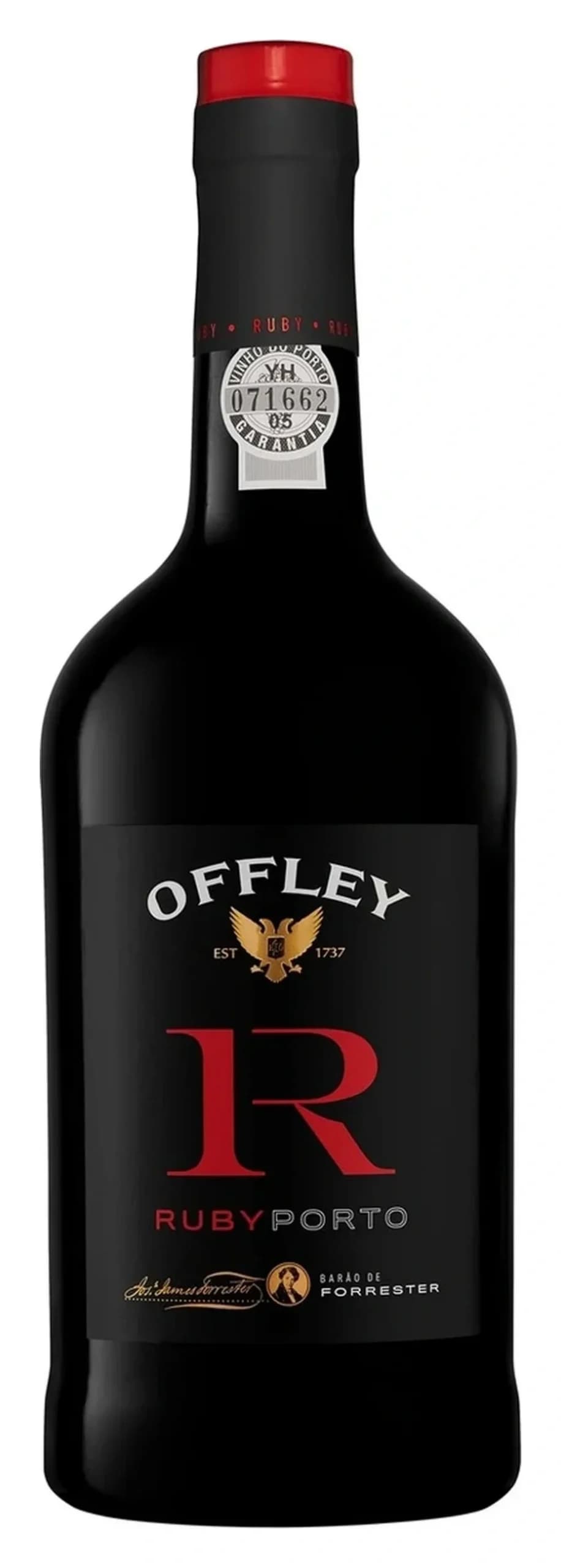
Offley
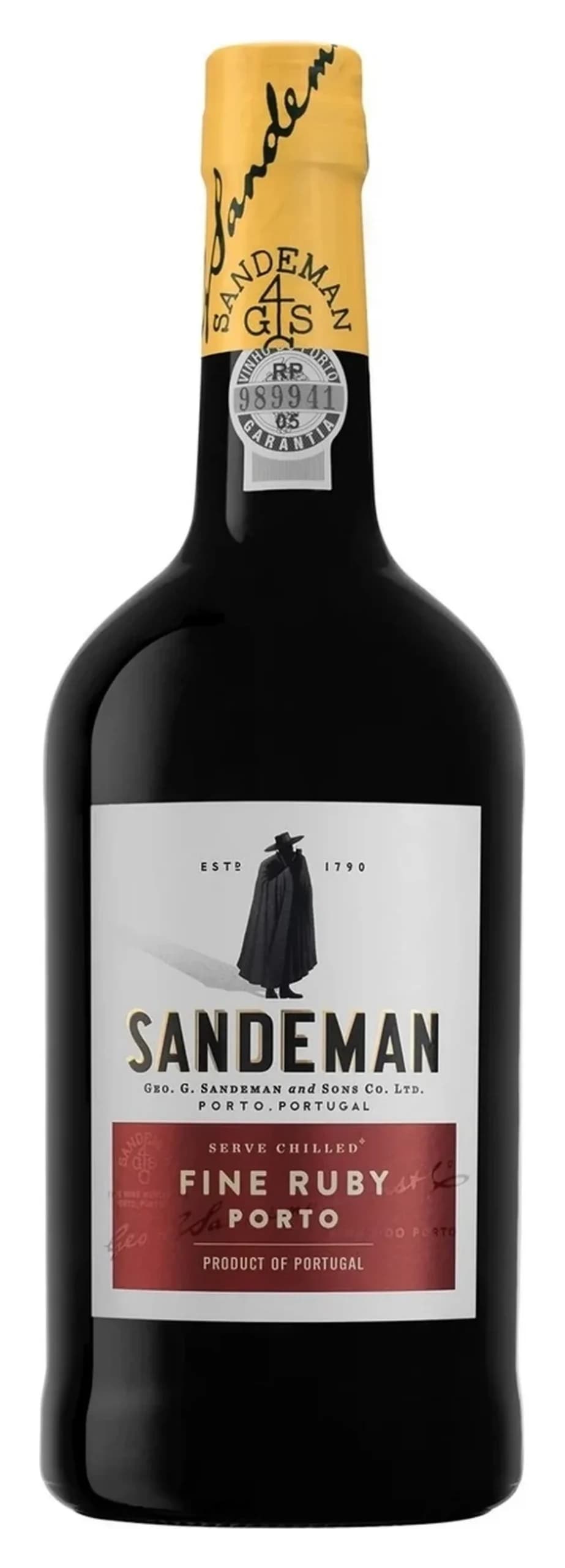
Sandeman
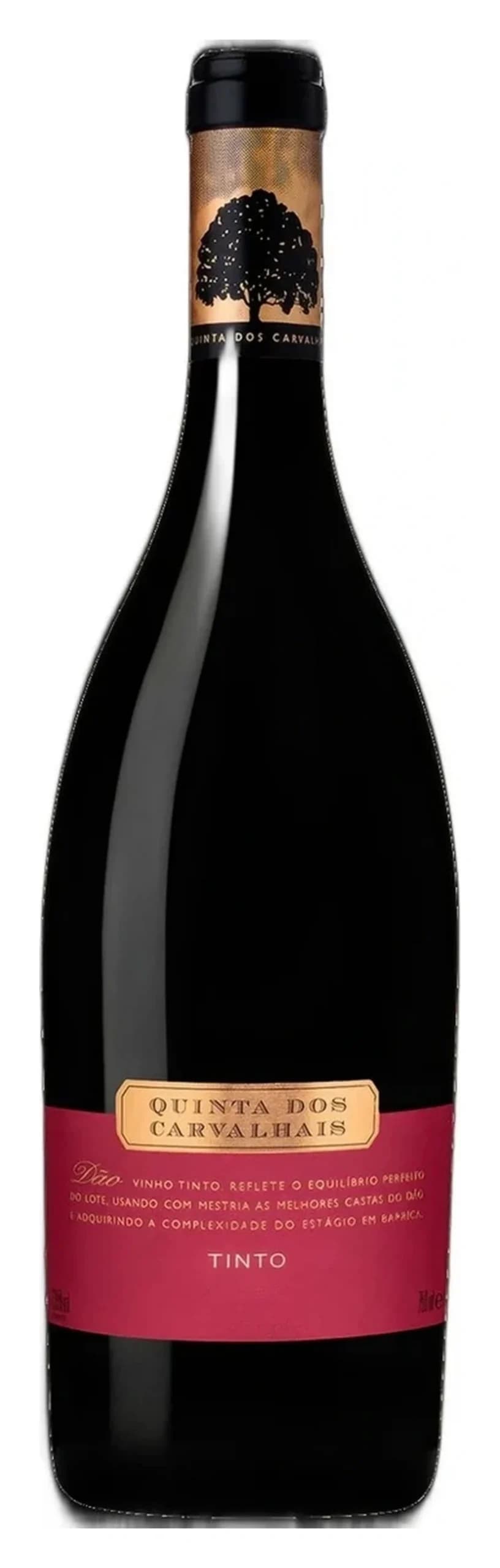
Quinta dos Carvalhais
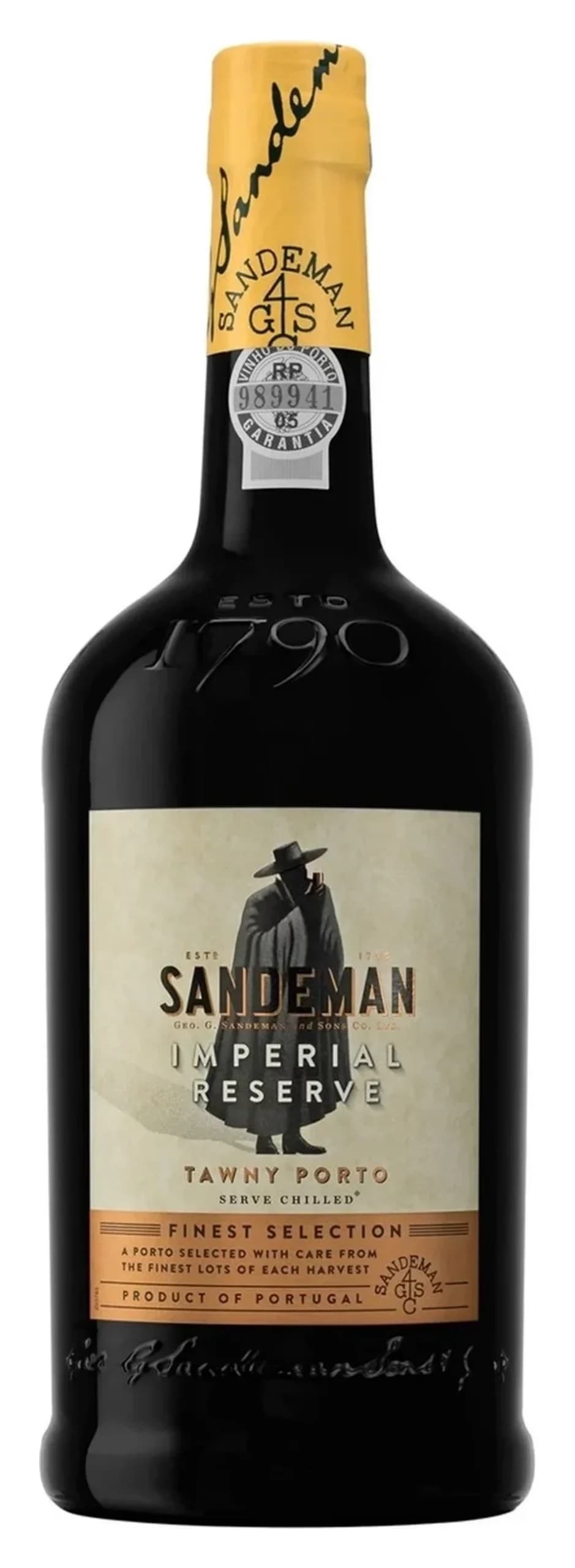
Sandeman
Tinta Roriz and Aragonez represent the same grape—Spain's Tempranillo—under its Portuguese aliases. Known as Tinta Roriz in the north and Aragonez in the south, this vine has become Portugal's single most-planted dark variety, prized for its adaptability across diverse terroirs and its ability to produce structured, age-worthy reds.
This variety expresses a marked spectrum determined by climate and site. In cooler northern vineyards, particularly the Douro Valley, it yields wines with pronounced acidity, medium to medium-plus tannins, deep colour, and full body—displaying ripe red fruits with earthy undertones. These northern expressions retain freshness and show good potential for extended cellar development.
In warmer southern regions such as the Alentejo, the fruit ripens more generously, producing deeper concentration, riper black fruits, fuller alcohol (often 14%+), and softer tannin profiles. Harvest timing proves critical: early picking preserves acidity and elegance, while fully ripe fruit yields richer, denser wines. Oak maturation amplifies the sensory intensity and adds structural complexity to either style.
By 2020, Portugal cultivated over 20,000 hectares of this variety. In the north, it thrives in the Douro Valley, particularly the Cima Corgo and Douro Superior subregions, where it rivals Touriga Franca as the most-planted black grape. It performs reliably in the Douro's schist soils and steep slopes, though its tendency to over-produce requires careful yield management to ensure concentration.
In Dão, it gains traction as a single varietal and in blends. Southward, the Alentejo hosts it under the traditional name Aragonez, where it frequently blends with Trincadeira to create structured, savoureable reds suited to the region's hot, dry climate. Lisboa and the Tejo regions have also adopted it successfully in recent decades.
This grape produces a range of expressions. In the Douro, single-varietal bottles exhibit firm structure, good ageing potential, and the mineral lift characteristic of cool-climate ripening. Blended versions—often combining it with Touriga Nacional, Touriga Franca, and other local varieties—create wines of impressive depth and longevity, many capable of 15+ years in bottle.
Southern renditions, especially from the Alentejo, tend toward fuller body and riper fruit expression, with approachability in youth alongside solid ageing credentials. Quality ranges from everyday, fruit-forward expressions to premium, complex bottlings from single quintas (estates). Fortified Port production also utilises this variety, though dry table wines now represent the dominant use.
Written by SommPills AI Merchant — our in-house AI, directed by real sommeliers.