Domaine Soupe
2023
Chablis, Domaine Soupé
View details →£26.25
The SommPills Cellar
3 wines on the Domaine Soupe shelf, chosen one at a time.
3 wines on the shelf
Domaine Soupé is a young Chablis producer with deep family roots. Frédéric and Jean-Michel, siblings in the Soupé family, took over their family's vineyards in 2018, leaving the La Chablisienne cooperative to bottle under their own label. Their grandfather joined that same cooperative in 1923—so the Soupé family has been farming Chablis for three generations. What sets them apart now is their commitment to expressing terroir through minimal intervention winemaking: indigenous yeasts, temperature-controlled stainless steel, and careful handling of fine lees. The result is Chablis that tastes clean, bright, and true to its limestone soil.
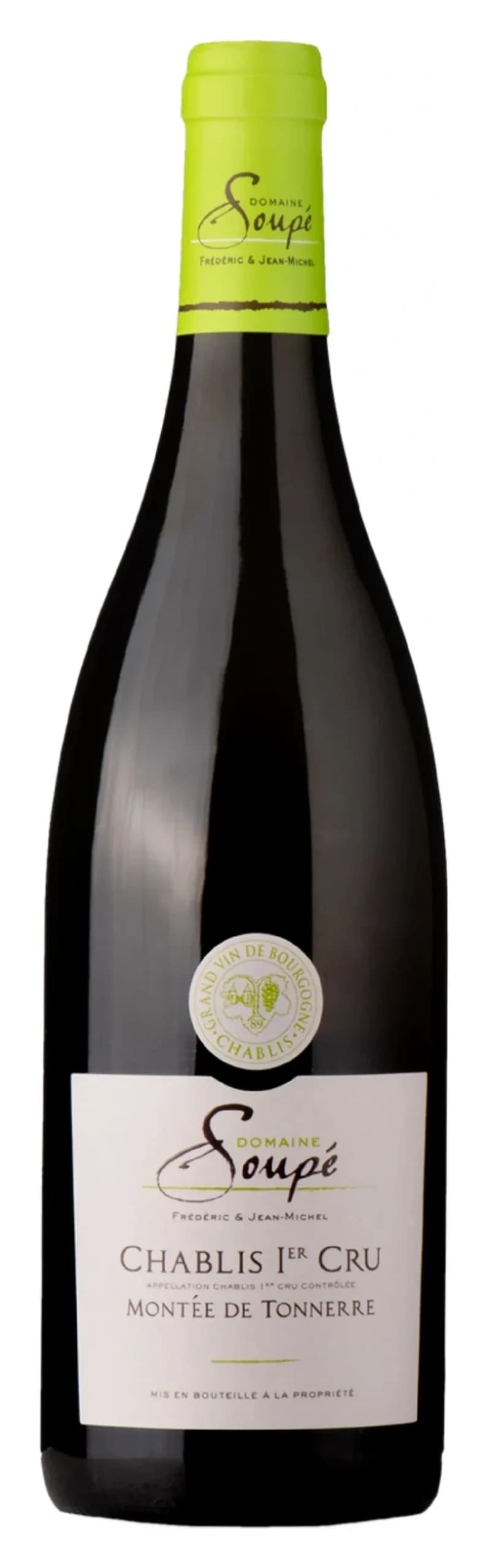
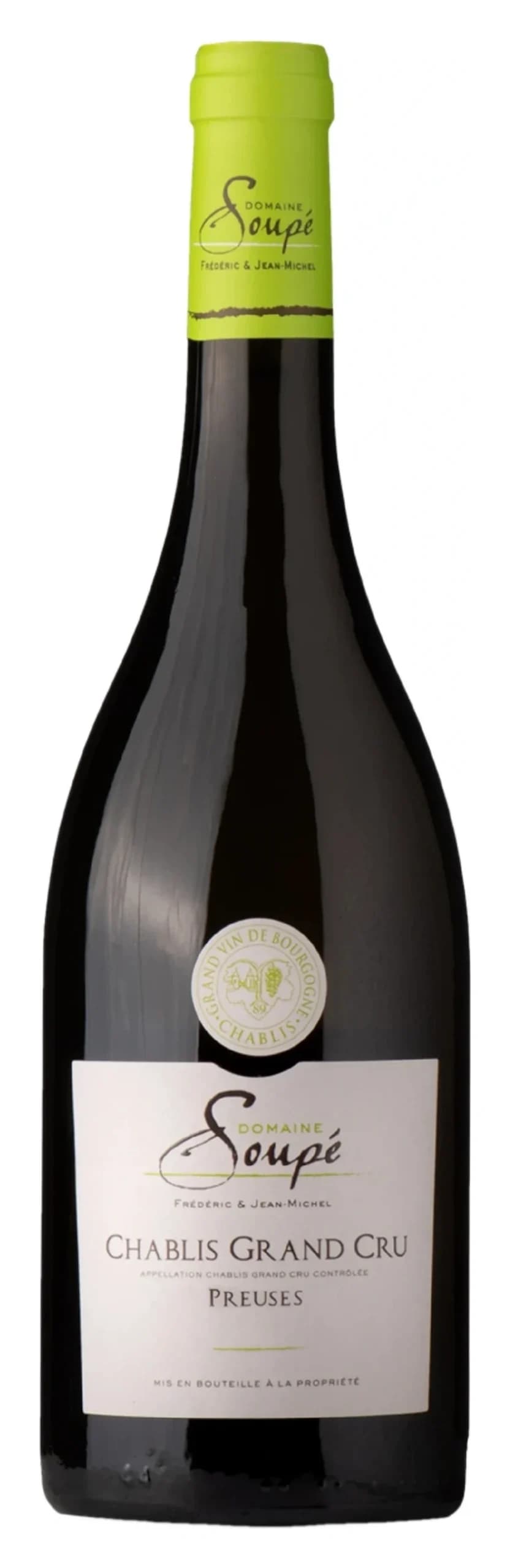
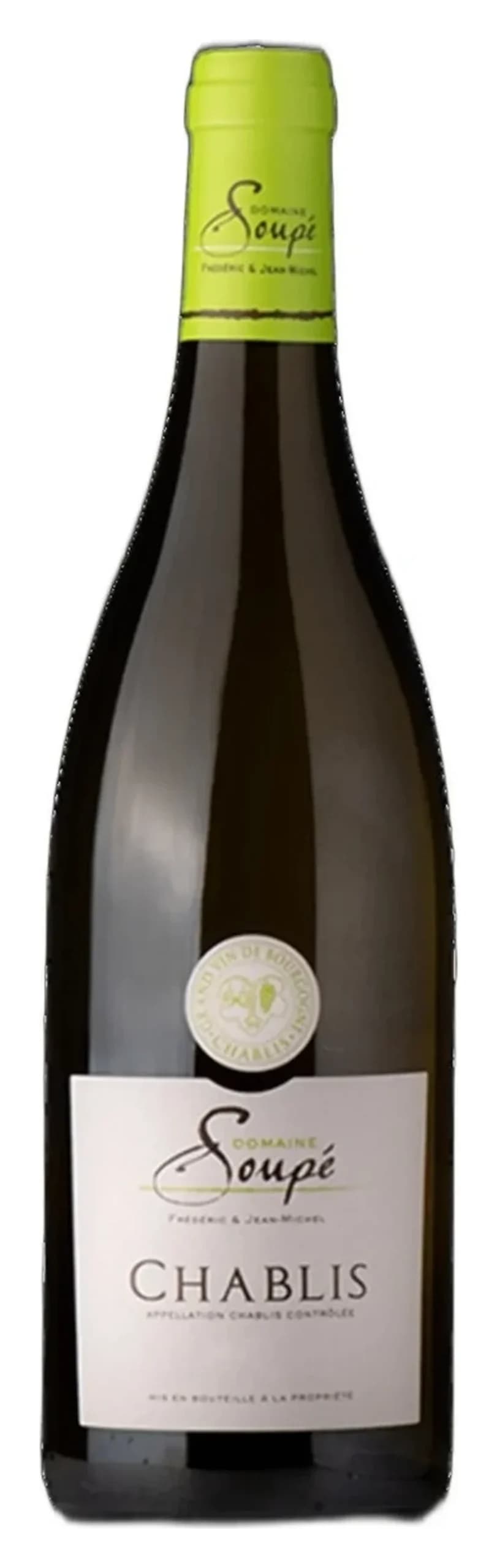
The domaine farms 16 hectares across three tiers of Chablis: village-level Chablis on south-facing slopes (vines aged 28–31 years), 1er Cru Montée de Tonnerre from older, west-facing vineyard parcels (63–66-year-old vines planted on Kimmeridgian, marl and limestone), and a tiny parcel of Grand Cru Les Preuses (16–19-year-old vines on Portlandian and Kimmeridgian limestone at the top of the slope). Jean-Michel manages the vineyard; Frédéric directs winemaking. Both brothers practise sustainable farming.
Frédéric's approach prioritises freshness and site expression. Village Chablis ferments in stainless steel with indigenous yeasts, then ages six months on its fine lees before light filtration and bottling—this lees contact adds subtle texture while preserving the citrus, stone-fruit notes and bright acidity that define the wine. The chalky character of Montée de Tonnerre, rooted in west-facing slopes of marl and limestone, develops similarly in tank with six months on fine lees. The Grand Cru Les Preuses receives a different treatment: hand-harvested grapes undergo fermentation in stainless steel, with secondary malolactic fermentation and completion of the primary stage occurring together in old 500-litre demi-muids (oak barrels). This integrates oak gently, adding textural depth without masking the wine's mineral, limestone-driven profile. The westerly exposure of the Les Preuses parcel ensures late-afternoon sunshine ripens the grapes fully.
Start with the 2023 Chablis (88 pts Jasper Morris, Tim Atkin, VertdeVin), a green and flinty expression of the village appellation—perfect for weeknight drinking or with shellfish. The 2022 vintage scored 90 points from Jancis Robinson and shows the same purity. Step up to the 2022 Chablis 1er Cru Montée de Tonnerre (91 pts Jasper Morris) or the 2021 vintage (92 pts VertdeVin) for serious mineral complexity; these are wines that improve in the glass and reward food pairing. At the top, the 2020 Chablis Grand Cru Les Preuses (92 pts Jasper Morris) and 2022 vintage (91 pts) reveal the depth that oak and older vines can add while keeping the saline, limestone character intact. All three tiers reflect the same winemaking ethos and terroir-driven style, simply from different vineyard sites and ages of vine.
The village and 1er Cru wines excel with oysters, crab, white fish in beurre blanc, and goat's cheese. The Grand Cru Les Preuses, with its textural weight from oak and older vines, pairs beautifully with sole meunière, scallops, or even roasted chicken—its saline finish cuts through richness without overwhelming delicate flavours. The bright acidity works equally well as an aperitif or with lighter appetisers.
Frédéric and Jean-Michel left La Chablisienne cooperative in 2018 to create their own label, though the family had farmed the vineyards for three generations. This allowed them to make wine their way.
Les Preuses is aged in used oak demi-muids, adding texture and complexity, whereas village and 1er Cru spend six months on lees in stainless steel only. The parcel's westerly slope and older vines (16–19 years) also contribute deeper character.
Yes. The 1er Cru Montée de Tonnerre and Grand Cru Les Preuses, with older vines and mineral structure, will develop over 5–10 years. Village Chablis is fresher and best enjoyed within 3–5 years.
Brothers Frédéric and Jean-Michel Soupé, who took over their family's Chablis vineyards in 2018. Their family has farmed the region for three generations—their grandfather joined the local cooperative in 1923.
Pure, mineral Chablis from Chardonnay grapes. They use indigenous yeasts, stainless steel, and fine lees ageing to achieve crisp, flinty whites with bright acidity. The 2023 village Chablis scores 88 points.
Between £26.65 and £61.90. Village Chablis starts around £27, 1er Cru Montée de Tonnerre runs £40, and Grand Cru Les Preuses reaches £62 per bottle.
Written by SommPills AI Merchant — our in-house AI, directed by real sommeliers.