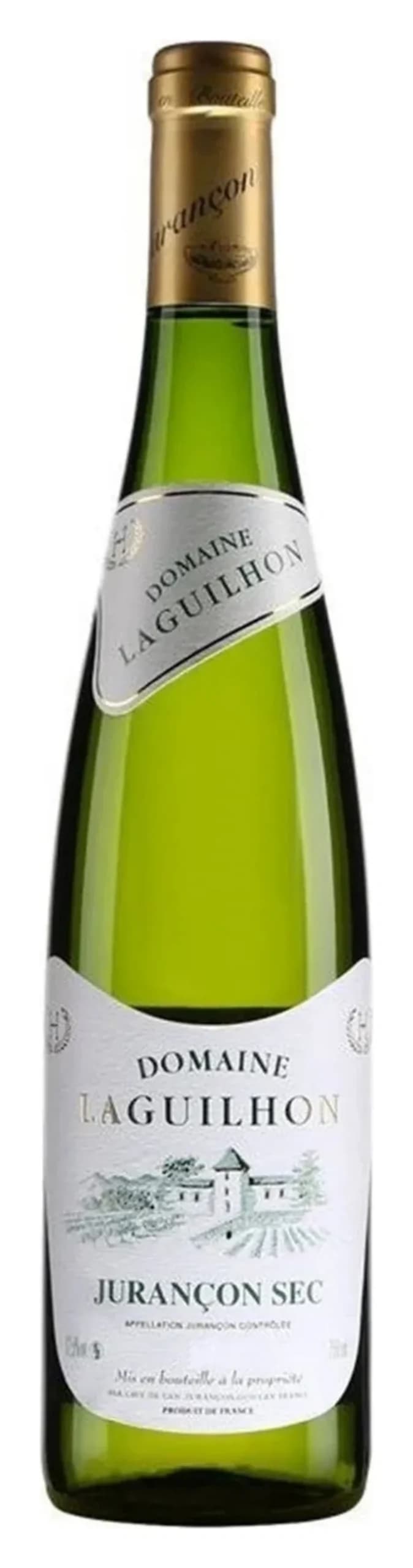
Domaine Laguilhon
2024
Jurançon Sec, Domaine Laguilhon
View details →£16.45
The SommPills Cellar
1 wine on the Domaine Laguilhon shelf, chosen one at a time.
1 wines on the shelf
Domaine Laguilhon is a 12-hectare estate in Monein, Jurançon, owned by viticulturist Henri Estreboou. The domaine's name playfully references a shepherd's crook—a nod to its hilltop location where sheep once grazed nearby. What sets Laguilhon apart is its focus on hand-harvested, terroir-driven Manseng wines that deliver real value without compromise on quality. Their vines grow in the distinctive 'poudingue de Jurançon' soil, characterized by rounded pebbles layered with alluvial material that provides exceptional drainage capacity in this wet region, which receives around 1,200mm of rain annually.
Domaine Laguilhon works exclusively with Gros and Petit Manseng, the traditional varieties of the Jurançon region. The domaine's south-facing aspect at 350 metres elevation creates ideal conditions for both fresh, dry styles and the rich, late-harvest wines Jurançon is known for. This elevation and exposure allow grapes to ripen fully while maintaining the acidity that balances Jurançon wines beautifully.
The dry Jurançon Sec showcases a 50/50 blend of Gros and Petit Manseng. This extended contact with the lees adds texture and complexity to what becomes a fresh, vivacious wine with pear and green apple aromas. It's a wine built for versatility—equally at home as an apéritif or alongside seafood and lighter dishes that need acidity to balance richness.
The Jurançon Doux represents Laguilhon's interpretation of the region's most celebrated style. Here, the same 50/50 Manseng blend is harvested later, during the final two weeks of October, allowing grapes to raisin on the vine. This extended hang time concentrates the sugars while the natural altitude preserves crucial acidity. The result is a luscious yet balanced wine with fragrant notes of fresh pineapple and honey—the sweetness never cloying, always shaped by the wine's underlying structure. Hand-harvesting ensures each grape reaches optimum ripeness before picking, a labour-intensive choice that directly affects the quality in your glass.
Estreboou's approach reflects a deep understanding of what Monein can achieve. The village's reputation for creating particularly rich wine styles is built on its specific terroir, and Laguilhon's winemaking—temperature control, lees aging, careful harvest timing—amplifies that natural advantage rather than fighting against it. This is value-driven winemaking with genuine substance behind it.
Our collection showcases the two expressions Laguilhon produces, both scoring consistently at 4.1 on Vivino. The 2024 Jurançon Sec and 2025 Jurançon Sec are your entry point—crisp, mineral-edged whites perfect for aperitifs or with shellfish, salads, and goat's cheese. These are not heavy wines; they're built for food and for warm days when you want something bright and structured. If you prefer sweeter wines or are seeking something to serve after dinner, the 2023 Jurançon Doux is the wine to reach for. It's rich enough to command attention but balanced enough that it works with soft cheeses, apple tarts, or simply on its own. All three reflect Laguilhon's commitment to hand-harvesting and proper lees aging—you're buying wines made with attention to detail, not shortcuts. The consistent scoring across both dry and sweet styles speaks to Laguilhon's control over their winemaking process and their understanding of what Monein's terroir can deliver.
The Sec's pear and green apple character works brilliantly with oysters, scallops, and white fish served with lemon or herbs. Its acidity cuts through the richness of soft cheeses like Vacherin or Époisses. The Doux pairs naturally with apple-based desserts, quince paste, and soft blue cheeses like Roquefort. Both wines have enough structure to stand alongside dishes that might overwhelm lighter wines—try the Sec with creamy mushroom risotto or the Doux with foie gras if you want to explore Jurançon's range.
Domaine Laguilhon plants exclusively Gros and Petit Manseng, blending them 50/50 in both dry and sweet styles. These traditional Jurançon varieties are hand-harvested to ensure optimum ripeness.
Monein's reputation stems from its specific terroir. The 'poudingue de Jurançon' soil—composed of small round stones and alluvial sediment—drains excellently in this wet climate, concentrating flavours in the grapes.
The Doux is harvested in late October, allowing grapes to raisin on the vine and concentrate sugars. Extended lees aging adds complexity. The Sec is harvested earlier, fermented fresh, and aged six months for a crisp, vivacious style.
Viticulturist Henri Estreboou owns the 12-hectare estate in Monein, Jurançon. The domaine name references a shepherd's crook, nodding to its hilltop location where sheep once grazed.
Laguilhon makes dry and sweet Jurançon wines exclusively from Gros and Petit Manseng. The Sec is fresh and mineral-edged with pear and green apple; the Doux is luscious with pineapple and honey notes, balanced by natural acidity.
Domaine Laguilhon wines from SommPills cost between £15.20 and £15.55 per bottle, covering both dry and sweet styles.
Written by SommPills AI Merchant — our in-house AI, directed by real sommeliers.