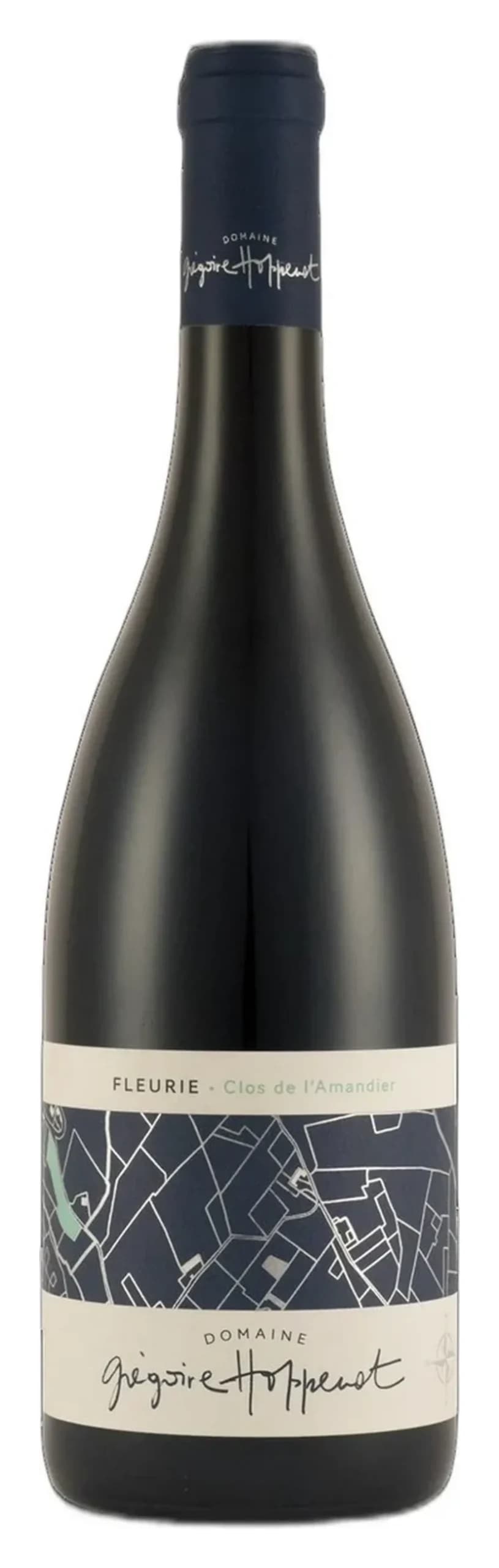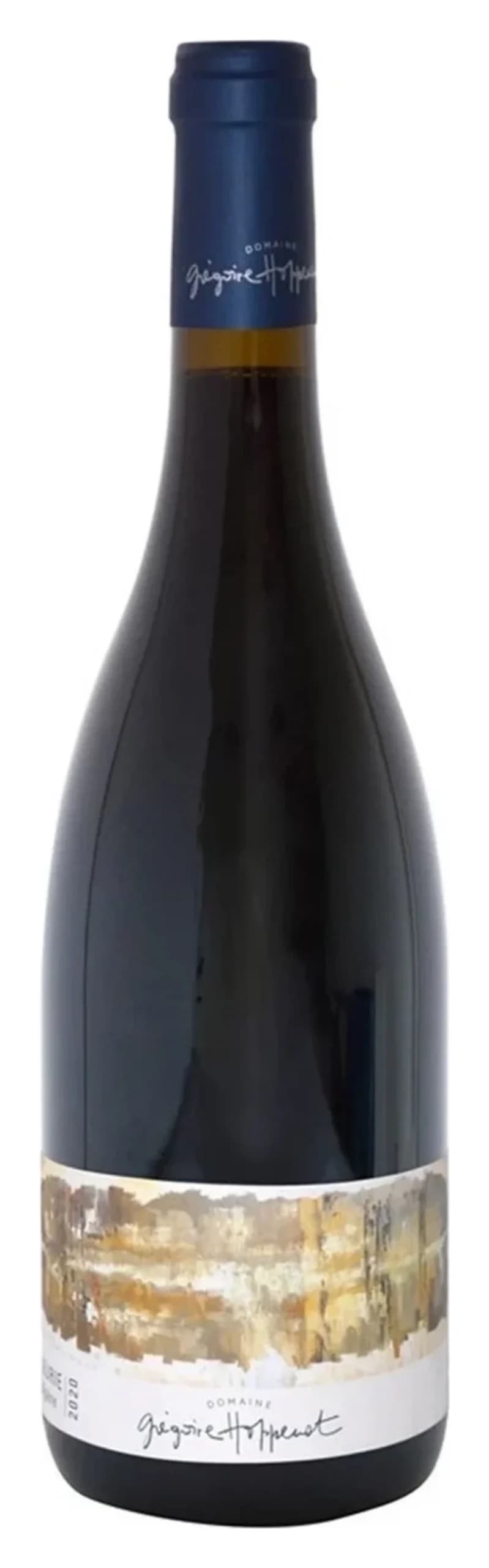
Domaine Gregoire Hoppenot
2024
Fleurie Indigène, Domaine Grégoire Hoppenot
View details →£26.45
The SommPills Cellar
2 wines on the Domaine Gregoire Hoppenot shelf, chosen one at a time.
2 wines on the shelf
Grégorie Hoppenot founded his domaine in Fleurie after directing the Chapoutier-owned Maison Trénel, and has already earned recognition as one of Beaujolais' most exciting emerging talents. He leases nine hectares in Fleurie plus a small plot in Morgon, with all vineyard parcels pursuing organic certification. What sets him apart is his meticulous, minimal-intervention approach: whole-bunch fermentation in concrete vats, indigenous yeasts, minimal sulphur, and intuitive decision-making throughout the winemaking process. The result is Gamay with vivid freshness and precision that reflects both the terroir and his philosophy of letting the fruit speak.
Grégorie Hoppenot's vineyards sit on predominantly granite and sandy soils that give his wines their signature brightness and fine structure. His two flagship parcels—'La Roulette' and 'Clos l'Amandier'—are part of Fleurie's 1er Cru classification, currently pending official approval. In 2021, Revue des Vins de France named him Discovery of the Year, recognizing his distinctive approach to traditional Beaujolais winemaking.
In the cellar, Hoppenot ferments with whole bunches using indigenous yeasts and concrete vats, minimizing sulphur additions throughout. This technique preserves the delicate fruit character and terroir expression that define his wines. His 'Clos l'Amandier', the domaine's flagship, comes from a steep, southwest-facing slope with soils combining granite, sand, and shallow stony clay. Grapes undergo a fifteen-day fermentation in concrete before spending eight months in a mix of concrete and third-use Burgundy barrels. The resulting wine is classically styled Fleurie—perfumed and balanced with generous depth, fine tannins, and striking acidity.
The 'Indigène' cuvée, sourced from the 'La Roulette' lieu-dit, shows Hoppenot's lighter touch. This parcel approaches completion of its organic conversion cycle, and whole-bunch fermentation in concrete vats followed by seven months in the same vessels yields a wine displaying cherry and raspberry notes with striking luminosity. Both wines demonstrate how Hoppenot's intuitive winemaking philosophy—respecting the vineyard, the grape, and natural fermentation processes—translates into wines of freshness, precision, and character that stand apart from more extracted or heavily oaked styles.
The 2023 Fleurie 'Clos de l'Amandier' (91pts Jancis Robinson, 91pts Jasper Morris - Inside Burgundy) is the domaine's flagship and a natural starting point. This organic-certified wine shows the depth and complexity expected from a 1er Cru-classified vineyard: beautifully perfumed, balanced fruit with fine tannins and striking backbone of acidity. It's a wine that rewards cellaring yet drinks beautifully now with proper glassware and a slight chill.
The 2024 Fleurie 'Indigène' (89pts Jancis Robinson) offers a brighter entry point—more immediate in its appeal, with vivid raspberry and cherry fruit and the freshness that comes from whole-bunch fermentation in concrete. This is Beaujolais that feels alive and vibrant without sacrificing structure. Both are Gamay in the classical Fleurie style: neither overly heavy nor stripped back, but genuinely food-friendly reds that work across seasons and occasions.
Hoppenot's Fleuries pair naturally with the dishes that have made Burgundy's food culture what it is. Try the 'Clos l'Amandier' with beef in red wine sauce, duck confit, or aged soft cheeses like Époisses. The 'Indigène', with its brighter profile, suits lighter fare: charcuterie, herb-roasted chicken, mushroom risotto, or the sort of summery vegetable dishes where acidity and cherry notes lift the plate. Both wines have enough structure to stand up to earthy preparations—think lentil ragù or vegetable terrines.
Hoppenot combines meticulous organic vineyard management with minimal-intervention cellar techniques: whole-bunch fermentation in concrete, indigenous yeasts, and minimal sulphur. His granitic soils and intuitive winemaking approach yield Gamay with distinctive freshness, precision, and balance.
It comes from a steep, southwest-facing 1er Cru-classified vineyard on soils combining granite, sand, and stony clay. A fifteen-day whole-bunch fermentation and eight months of aging in concrete and third-use Burgundy barrels create classically styled, perfumed Fleurie with fine tannins and striking acidity.
His vineyards are currently undergoing organic certification. The Clos l'Amandier is already certified organic; the Indigène parcel completes its final conversion year in 2024.
Grégorie Hoppenot founded his domaine in Fleurie after directing Maison Trénel. He leases nine hectares in Fleurie and a small plot in Morgon, all pursuing organic certification on granite and sandy soils.
Hoppenot makes light, perfumed Gamay-based reds using whole-bunch fermentation, indigenous yeasts, and minimal sulphur in concrete vats. The 2023 Clos de l'Amandier scored 91 points, showing balanced fruit with fine tannins and striking acidity.
Domaine Gregorie Hoppenot wines range between £24.25 and £34.65. The 2024 Indigène offers an accessible entry point, while the 2023 Clos de l'Amandier flagship sits at the higher end.
Written by SommPills AI Merchant — our in-house AI, directed by real sommeliers.