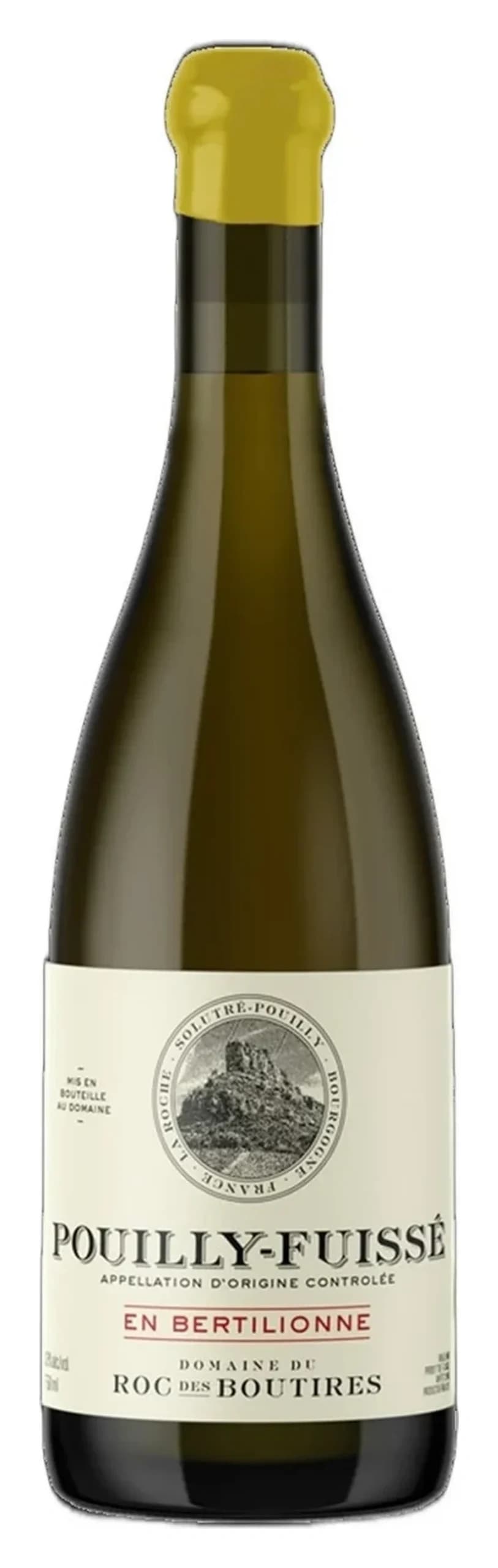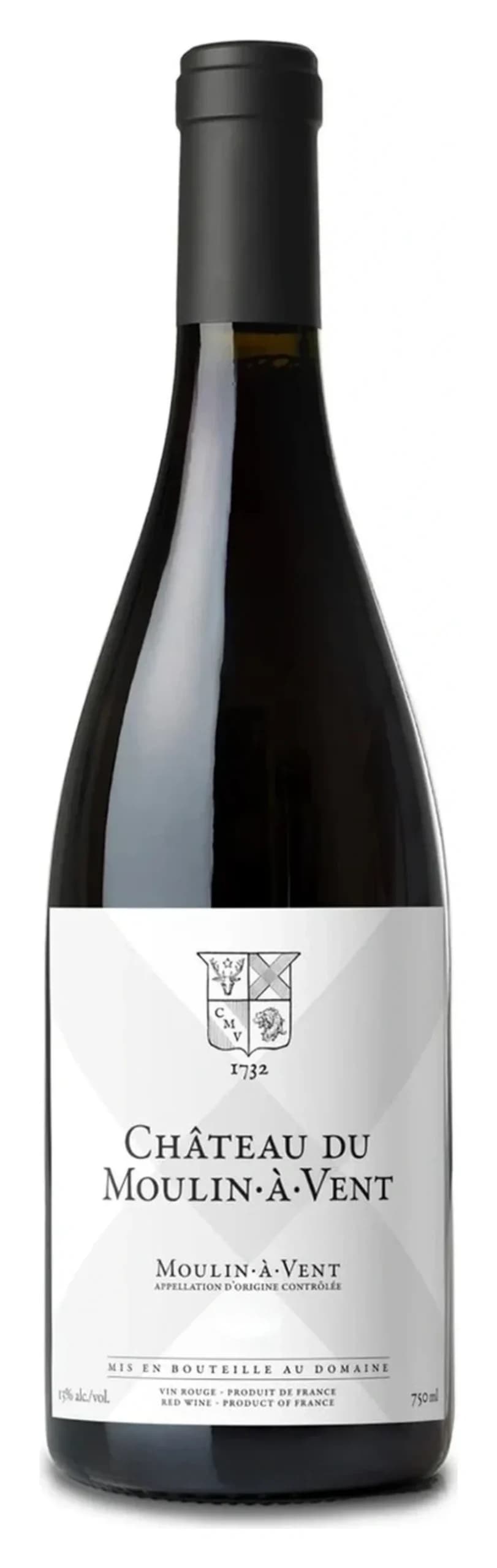
Chateau du Moulin-a-Vent
2023
Moulin-à-Vent, Château du Moulin-à-Vent
View details →£24.70
The SommPills Cellar
2 wines on the Chateau du Moulin-a-Vent shelf, chosen one at a time.
2 wines on the shelf
Château du Moulin-à-Vent is a forward-thinking Beaujolais producer that has fundamentally transformed its 18th-century estate since 2009. Under the stewardship of Jean-Jacques Parinet and his son Edouard, the château has converted all vineyards to organic production with biodynamic practices—a decision driven by the belief that organic viticulture delivers better consistency through increasingly extreme weather conditions. This is a producer betting on Beaujolais's future, not resting on its past.
The estate's 65-year-old vines thrive in soils of considerable geological age—eroded pink granite formations dating back 220 million years—where constant winds play a crucial role in retaining acidity and freshness. Château du Moulin-à-Vent employs a notably high density planting strategy of 10,000 vines per hectare, substantially exceeding the appellation's 6,000-vine minimum requirement—and achieves yields of just 20 to 35 hectolitres per hectare, compared to the official maximum of 56 hectolitres. This disciplined approach to low yields concentrates flavour directly into every grape.
Since 2015, the château has maintained its own massal selection programme, allowing them to replant entire vineyard blocks with their own cuttings. Edouard explains this preserves the original DNA of Gamay specific to Moulin-à-Vent, securing the variety's future in the appellation. Soil health is paramount: organic viticulture underpins their response to climate challenges.
Winemaking is precisely adapted to each vintage and site. The team varies the percentage of whole-bunch fermentation, maceration length, and oak aging to match conditions. The château has deliberately reduced new oak usage in recent years, now using a collection of over 100 barrels averaging their sixth use—housed in a 16th-century cellar carved into granite below the vineyard. This restraint allows the purity of fruit to dominate, rather than oak flavour masking the terroir.
The flagship Moulin-à-Vent blend combines three distinct sites: the core 'Moulin-à-Vent' parcel alongside 'La Roche' and 'Les Thorins', each contributing different characteristics. Single-site expressions like 'Champ de Cour'—from vines planted at 220 metres elevation on pure granite where wind delivers elegance—and 'La Rochelle' showcase the specificity of each microclimate within the appellation.
The 2023 Moulin-à-Vent (91 pts) is the current release: a light, perfumed Gamay offering immediate drinking pleasure with the concentration and structure this producer demands. The 2014 Moulin-à-Vent (89 pts, with scores ranging from 86–93 across critics) shows how these wines age gracefully, developing complexity while retaining the freshness that defines the house style.
For a single-vineyard expression, the 2015 Moulin-à-Vent Champ de Cour (91 pts, Wine Enthusiast 93, La Revue du Vin de France 94) demonstrates the elegance that altitude and wind exposure can bring—a wine of poise rather than power. The 2014 Champ de Cour (90 pts, Wine Spectator and Jancis Robinson both 91) is equally rewarding and ready to drink now. The 2020 Moulin-à-Vent La Rochelle (93 pts, Wine Enthusiast 95) represents the richest expression in the range, from lower-elevation argillaceous soils that impart darker fruit and body. All three wines represent serious Beaujolais that rewards cellaring yet drinks beautifully young.
Château du Moulin-à-Vent's wines pair naturally with charcuterie, pâtés, and cured meats—the acidity cuts through richness without fatigue. Roasted poultry, particularly duck or guinea fowl, matches the wine's elegance and subtle tannins. Soft cheeses like Époisses or aged goat cheese, mushroom-based dishes, and light game birds all work well. The wines' freshness also suits chilled service alongside lighter preparations: think salmon with herbs, or vegetable terrines. Avoid heavily spiced or overly rich sauces that would overwhelm the delicate fruit character.
The estate converted to organic with biodynamic practices in 2009, plants at 10,000 vines/hectare (vs. appellation minimum 6,000), and achieves yields of 20–35 hl/ha (vs. official maximum 56). Since 2015, they maintain their own massal selection to replant with their own cuttings, preserving Gamay's original character.
Constant winds at the estate help retain acidity and freshness in the final wines. The 'Champ de Cour' vineyard at 220 metres elevation benefits particularly from windy conditions, delivering elegant freshness. This natural cooling effect is crucial to Moulin-à-Vent's style.
Château du Moulin-à-Vent has deliberately reduced new oak usage in recent years. They now use over 100 barrels averaging their sixth use, housed in a 16th-century granite cellar. This restraint allows fruit purity to shine rather than oak character dominating.
Jean-Jacques Parinet and his son Edouard run Château du Moulin-à-Vent, an 18th-century Beaujolais estate they've transformed since 2009. The château is located in Moulin-à-Vent, Beaujolais.
The château specializes in light, perfumed Gamay reds from low yields on granite soils. Organic and biodynamic viticulture with restrained oak aging emphasize fruit purity and terroir. The 2023 Moulin-à-Vent scored 91 points.
Château du Moulin-à-Vent wines range between £21.70 and £40.55. The flagship blend starts at £21.70; single-vineyard expressions and older vintages command higher prices up to £40.55.
Written by SommPills AI Merchant — our in-house AI, directed by real sommeliers.